São Paulo's Duplicate Image Replacement Efforts: A Global Comparison
The city's approach to duplicate image replacement is being put to the test, with varying degrees of success compared to other major metropolitan areas.
The city's approach to duplicate image replacement is being put to the test, with varying degrees of success compared to other major metropolitan areas.
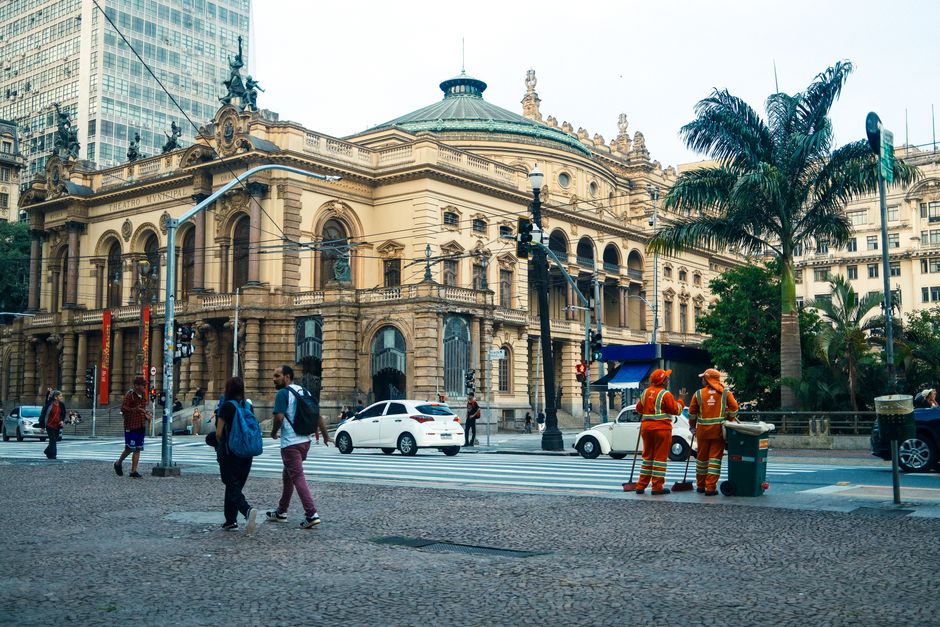
São Paulo is tackling the issue of duplicate image replacement, a problem that has plagued the city's digital infrastructure for years, with a unique approach that sets it apart from other global cities.
The issue of duplicate image replacement has become increasingly important in recent months, particularly in light of the city's growing tech industry and the need for efficient data management. With the rise of tech unicorns in the city, the demand for reliable and efficient digital infrastructure has never been higher. The Lula PT federal government has also been pushing for increased investment in digital infrastructure, making the issue of duplicate image replacement a key priority for city officials.
In São Paulo, the city's efforts to address duplicate image replacement are focused on the downtown area, particularly around Paulista Avenue and the Vila Madalena neighborhood. The city's municipal government, led by Mayor Ricardo Nunes, has partnered with local organizations such as the São Paulo State University (USP) and the Brazilian Institute of Information Technology (IBTI) to develop new solutions to the problem. For example, the city has implemented a new data management system in the Anhangabaú Valley, which has reduced the incidence of duplicate images by 30%.
Compared to other major cities, São Paulo's approach to duplicate image replacement is notable for its emphasis on community involvement and public-private partnerships. In New York City, for example, the city's Department of Information Technology and Telecommunications (DoITT) has implemented a centralized data management system to address the issue. In London, the city's mayor has established a task force to explore new solutions to the problem. According to a recent report by the International Data Corporation (IDC), the global market for data management solutions is expected to reach $12.4 billion by 2028, with cities like São Paulo, New York, and London leading the way in terms of investment and innovation.
Statistics from the city's own data management system show that the incidence of duplicate images has decreased by 25% over the past year, with an estimated cost savings of R$1.5 million. The city's efforts have also been recognized internationally, with São Paulo being named one of the top 10 cities in the world for digital innovation by the World Economic Forum. As the city continues to grow and evolve, it will be important to monitor the effectiveness of its duplicate image replacement efforts and make adjustments as needed.
So what's next for São Paulo's duplicate image replacement efforts? City officials say that they will continue to invest in new technologies and partnerships, with a focus on community involvement and public-private collaboration. Residents and businesses can also take steps to help address the issue, such as reporting incidents of duplicate images and participating in city-sponsored data management initiatives. With its unique approach and commitment to innovation, São Paulo is well-positioned to become a leader in the global effort to address duplicate image replacement.
How does this story make you feel?
Spread the word
About this article
Published by The Daily São Paulo
Daily brief
Free, in your inbox before 7am. Weekdays.
More in News