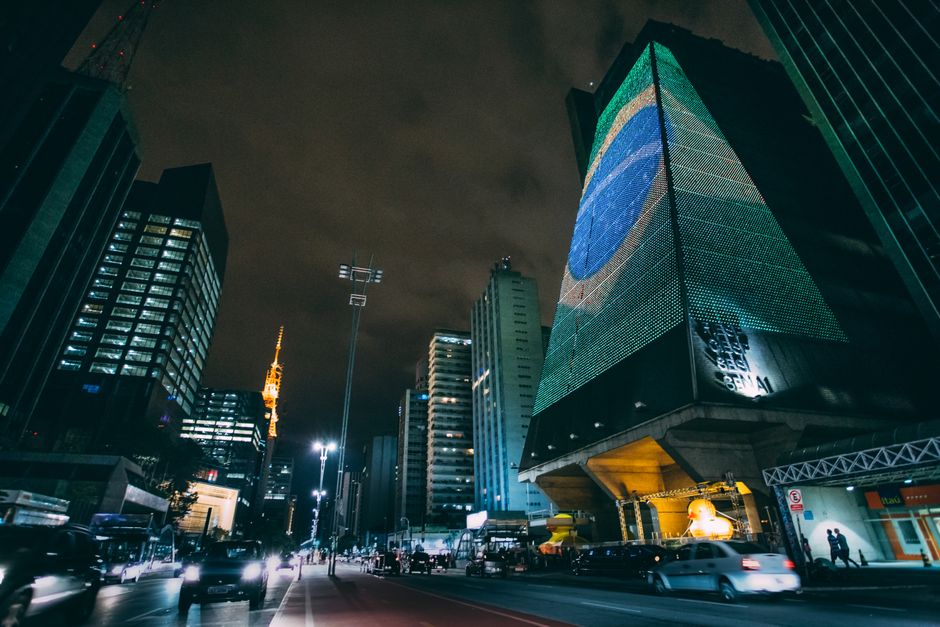
São Paulo now hosts more than 780,000 registered foreign-born residents, according to figures released in June 2026 by the Federal Police's Migração Brasil system — a 14 percent jump from the 2023 count and the highest total on record for any Brazilian city. That headline number, however, masks a story that is far more fractured, neighbourhood by neighbourhood and nationality by nationality.
The timing matters. Conflict and economic collapse across multiple regions are compressing the usual timeline of migration waves. Venezuela's ongoing crisis — most recently visible in the aftermath of a devastating earthquake that killed hundreds in Táchira state last month — has pushed a fresh surge of Venezuelans northward through Colombia and then south into Brazil. Meanwhile, European instability is creating a smaller but statistically notable uptick in Eastern European arrivals, with Ukrainian residency applications in São Paulo state climbing 31 percent in the first quarter of 2026 compared to the same period last year, according to data from the Secretaria Nacional de Justiça.
Where the Numbers Land on the Ground
The geography of arrival is shifting. The Bom Retiro neighbourhood, long associated with Korean and Jewish immigrant communities, has absorbed a new layer: Afghan families who entered Brazil via the federal Refúgio Solidário programme, launched in 2022 and expanded under the Lula administration last year to include a fast-track 90-day residency pathway. The Centro de Referência e Atendimento para Imigrantes — CRAI, run by the São Paulo city government on Rua Major Quedinho in the city centre — processed 11,400 individual cases in the first five months of 2026 alone, up from roughly 8,900 in the comparable 2025 period.
Venezuelans continue to represent the single largest national group seeking assistance. Brás and Mooca, two working-class neighbourhoods east of the historic centre, now have Venezuelan-owned small businesses on nearly every commercial block around Rua Oriente and Avenida Rangel Pestana. Cáritas Arquidiocesana de São Paulo, which runs food distribution and legal aid out of its office near Praça da Sé, served 23,000 meals per month to migrants in May 2026 — double its pre-pandemic baseline capacity.
Bolivians, once the dominant immigrant presence in the garment district around Rua José Paulino, have held their numbers relatively stable at around 120,000 citywide, but community leaders note that second-generation Bolivian-Brazilians are increasingly moving outward to Guarulhos and Osasco, freeing up housing that newer arrivals are filling quickly. Average monthly rent for a shared room in Bom Retiro runs around R$650, one of the lowest access points in the city, which makes the area a first stop for recent arrivals despite its distance from some industrial job clusters.
What the Data Cannot Yet Show
Formal statistics capture only registered migrants. Researchers at the Núcleo de Estudos da População at Unicamp estimate that undocumented residents could add another 15 to 25 percent on top of federal Police numbers, meaning the real total may be closer to 950,000 people in the greater metropolitan area. The methodology debate is not academic: municipal budget allocations for health, schooling and housing assistance from the Programa Dignidade Imigrante depend on official headcounts, so underregistration has direct fiscal consequences.
The Lula government's 2026 budget assigned R$48 million nationally to migrant integration services, but NGOs working in São Paulo say the city alone absorbs a disproportionate share of demand. With a new municipal social services contract cycle opening in August, organisations like CRAI and Cáritas are lobbying Prefeitura de São Paulo for a budget line increase of at least 20 percent to cover the caseload surge documented through mid-year.
For migrants arriving now, the practical pathway runs through CRAI's walk-in appointments on weekday mornings, or through the Caritas legal clinic which offers pro bono residency filings every Tuesday. Federal Police regularisation windows, held quarterly at the Delegacia de Imigração on Avenida Prestes Maia, are fully booked through September — a backlog that community advocates say is the single largest bureaucratic bottleneck facing newly arrived families today.