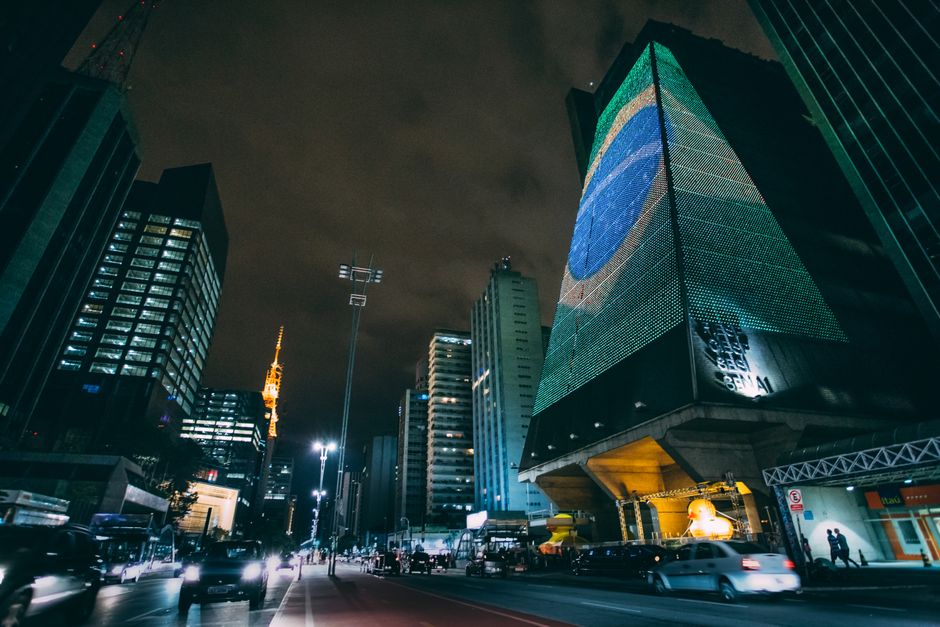
São Paulo's city hall and the state government jointly confirmed this week that Line 6-Orange will open three additional stations by December 2026, extending metro coverage deep into the Brasilândia district in the Zona Norte, while a new affordable housing programme targeting 12,000 units will break ground across six peripheral neighbourhoods before the end of the fiscal year. For a city of 12.3 million people where the average commute already tops 2 hours and 40 minutes each way, according to the 2025 Mobilidade Urbana survey by the Metrô company, the twin announcements land with real weight.
The timing is not accidental. Mayor Ricardo Nunes is facing a tighter approval rating ahead of the 2028 municipal race, and President Lula's federal PT administration has been pressing state governors and mayors to show concrete delivery on housing under the expanded Minha Casa, Minha Vida programme, which raised subsidy ceilings by 18 percent in the March 2026 federal budget revision. São Paulo accounts for roughly a quarter of Brazil's formal housing deficit — estimated nationally at 8 million units by the Fundação João Pinheiro — so any movement here carries outsized political and economic significance.
Where the New Stations and Housing Will Land
The three Line 6 stations confirmed this week are Brasilândia, Parada Inglesa Norte, and Jaraguá. Brasilândia alone is home to more than 280,000 residents, the majority of whom currently depend on overcrowded CPTM buses along Avenida Deputado Emílio Carlos to reach the nearest metro connection at Palmeiras-Barra Funda, a journey that can exceed 75 minutes in morning peak hours. The new station cuts that to under 20 minutes on rail.
On the housing side, the Secretaria Municipal de Habitação identified six zones for the new Minha Casa, Minha Vida units: Cidade Tiradentes, Guaianazes, Perus, São Mateus, Itaquera, and Jardim Ângela. All six sit within the Macro-Área de Estruturação Metropolitana defined in the 2023 revision of the city's Plano Diretor Estratégico. Units in the lowest income bracket — families earning up to R$2,640 a month — will be priced with federal subsidies covering up to 95 percent of the R$180,000 construction cost per unit, leaving monthly mortgage instalments capped at R$270. That figure is roughly equivalent to what many current favela renters in Capão Redondo and M'Boi Mirim already pay informally, with none of the legal tenure security.
The Companhia Metropolitana de Habitação de São Paulo, known as COHAB-SP, will manage registration for 8,000 of the 12,000 units through its digital portal, with the remaining 4,000 allocated through community associations already registered with the Secretaria. Applications open July 14. Residents without smartphone access can register in person at any of COHAB-SP's nine district offices, including the busiest one at Rua Boa Vista, 170, in the Centro Histórico.
Why Sceptics Are Watching the Fine Print
Urban planners and housing advocacy groups in the city are not dismissing the announcements, but they are applying scrutiny. The Laboratório Arq.Futuro at Escola da Cidade has long argued that peripheral housing projects without concurrent transport infrastructure tend to calcify, not reverse, inequality — residents gain a subsidised home but spend a larger share of income on transport than they would in a more central location. The Line 6 expansion partially addresses that concern for the Brasilândia and Jaraguá units, but the four other housing zones — Guaianazes, São Mateus, Itaquera, and Cidade Tiradentes — are all in the Zona Leste, where the CPTM Line 11-Coral is already running at 112 percent of designed capacity during peak hours.
Construction contracts for both the metro stations and the housing blocks are expected to be signed by July 31, according to documents filed with the Tribunal de Contas do Município. Community assemblies for affected residents in Brasilândia are scheduled for July 12 at the CEU Brasilândia on Estrada do Morro Grande. Anyone in the six housing zones who believes their property falls within a designated construction corridor can file an objection with the Secretaria Municipal de Habitação before August 10 — the only formal window before earthworks begin.