Parents at Escola Estadual Professor João Pessoa, in the Brasilândia neighbourhood on the far north side of the city, spent last Tuesday photographing ceiling chunks that had fallen overnight into a fourth-grade classroom. Nobody was hurt — the kids hadn't arrived yet. But the incident landed on a WhatsApp group with 340 members before 7 a.m., and by noon a protest had formed outside the school gate on Rua Barão de Limeira. That sequence — damage, documentation, mobilisation — is now routine across São Paulo's 3,400 state-run school buildings, and it is accelerating pressure on two governments at once: Ricardo Nunes's city hall and the Secretaria da Educação do Estado de São Paulo under Governor Tarcísio de Freitas.
The urgency is not accidental. Brazil's second school semester opens August 3rd. Principals, parent associations and the União Paulistana de Estudantes say that if structural repairs are not contracted and started before that date, thousands of classrooms will begin the term either closed or operating under risk-management waivers — bureaucratic instruments that keep a school technically open while acknowledging known structural defects. The Secretaria Estadual da Educação recorded 1,847 buildings requiring some category of structural intervention as of its June audit, a figure that parents' groups dispute as an undercount.
Money Is There — Sort Of
The state government allocated R$1.2 billion in its 2026 infrastructure budget for school maintenance and reconstruction, announced in February during the Programa Escola em Ordem rollout. But as of late June, procurement processes for roughly 60 percent of the projects on that list had not been completed. Some delays trace to documentation problems at the municipal level, where city-owned schools — about 900 units under the Secretaria Municipal de Educação — operate on a separate budget line that Nunes's administration froze in April pending a revision of the city's fiscal framework. Parents in Ermelino Matarazzo and in the Jardim Ângela district say they were told informally that their schools' repair orders were among those put on hold.
The Conselho Estadual de Educação held an emergency session on June 26th at its headquarters on Avenida Angélica and voted to formally request a status report from both secretariats within 15 working days. That deadline lands on July 17th — a Friday, two weeks before the semester break ends. Advocacy groups including the Ação Educativa organisation, based on Rua General Jardim in Vila Buarque, say that date is the first real decision point: if neither government produces a credible procurement schedule by then, they intend to take the matter to the Ministério Público de São Paulo, which has authority to compel public agencies to act on structural safety obligations.
What Comes Next
Three decisions will shape whether schools open safely in August. First, the Secretaria Estadual needs to finish contracting the 740-odd schools still in procurement limbo — a process that engineering consultants familiar with state tenders say can move in three weeks if political will exists, but routinely takes three months when it doesn't. Second, Nunes's administration must decide whether to release the frozen municipal maintenance line or seek a supplementary credit from the Câmara Municipal, which has a session scheduled for July 15th on Viaduto Jacareí. Third, the state and city need to agree on a shared protocol for schools that sit in jurisdictional grey zones — around 80 buildings in boundary districts like São Mateus and Itaquera are listed on both government registers but maintained by neither.
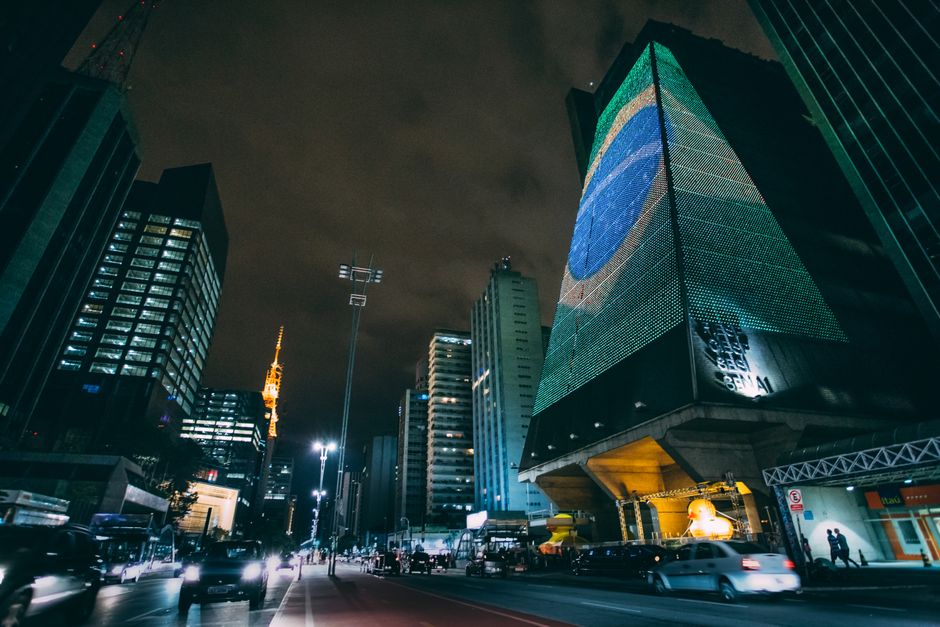
Student groups have announced a march down Avenida Paulista on July 12th, starting from the MASP steps at 2 p.m., specifically timed to precede the Câmara session and the Conselho deadline. Ação Educativa is preparing a dossier on 200 priority schools to hand directly to the Ministério Público if the July 17th status report falls short. For the families waiting, the arithmetic is straightforward: 27 school days remain before the semester begins. The ceiling in Brasilândia is still unrepaired.