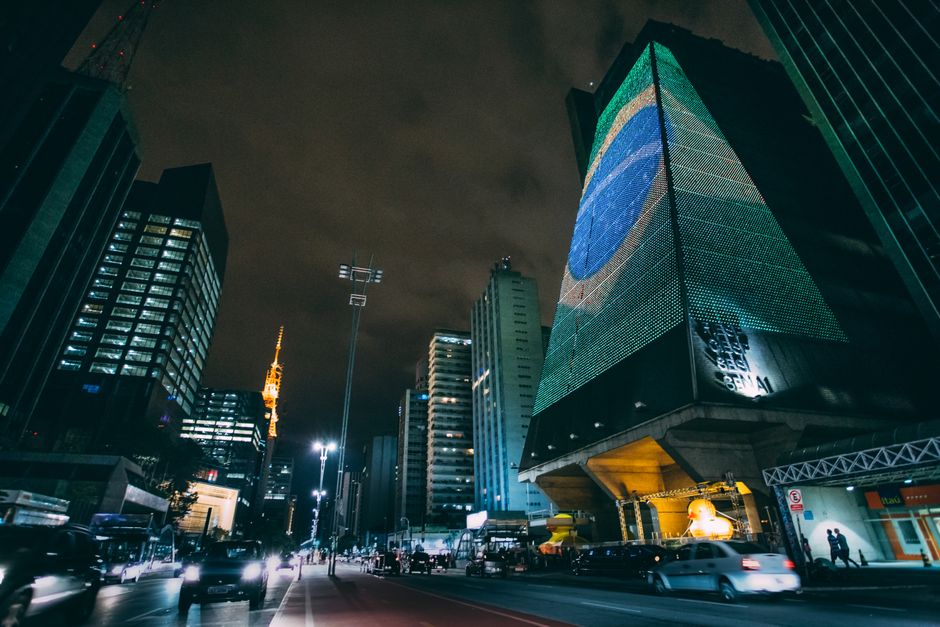
São Paulo recorded its lowest first-half homicide total in more than two decades this year, according to data released last week by the Secretaria da Segurança Pública do Estado de São Paulo. The state logged 1,847 intentional killings between January and June 2026, a drop of roughly 11 percent compared with the same period in 2025. City officials are already citing the numbers as evidence that the Programa Cidade Segura — the integrated policing strategy expanded under Mayor Ricardo Nunes in late 2024 — is working.
The timing matters. São Paulo is three months away from October municipal budget deliberations, and the Câmara Municipal is weighing a R$2.3 billion public-safety package that would fund new surveillance cameras and expand the Guarda Civil Metropolitana by 1,200 officers. Security has become the dominant political battleground, displacing even the chronic flooding crisis that paralysed the Tietê river basin twice this year.
The Numbers Don't Reach Everyone Equally
The statewide trend looks encouraging on paper, but criminologists at the Núcleo de Estudos da Violência da USP, based on Avenida Professor Lúcio Martins Rodrigues in the Butantã district, say the aggregate data obscures sharp geographic disparities. The Sé and República subprefectures — the dense heart of the old city centre — saw drug-related arrests climb 18 percent in the first quarter of 2026 versus the same quarter last year, according to the Secretaria's own breakdown. On Rua Aurora, two blocks from the Campos Elíseos neighbourhood long associated with the open-air drug market known informally as Cracolândia, residents and shop owners describe conditions that feel disconnected from the good-news headline.
The Instituto Sou da Paz, a São Paulo-based NGO that has tracked urban violence since 1999, flagged in a June report that robberies on the Linha 3-Vermelha metro corridor — which runs from Corinthians-Itaquera in the east through the República station downtown — remained stubbornly high through May. The institute calculated that passengers on that stretch faced robbery incidents at nearly three times the rate of commuters on the Linha 4-Amarela, which serves the wealthier southwest quadrant of the city.
Security specialists point to a structural problem. The Programa Cidade Segura concentrated its first phase of camera upgrades and rapid-response units in the southern zones of Santo André's border area and in the expanded Parque São Rafael precinct, where political pressure from local vereadores was loudest. The central districts, despite concentrating the highest foot traffic on weekdays — Paulista Avenue alone sees an estimated 1.5 million pedestrians daily — received proportionally fewer of the 4,200 new monitoring cameras installed since October 2024.
What Comes Next for the Centre
City Hall says the second phase of Cidade Segura, scheduled to begin in September, will direct resources specifically to the República, Bom Retiro and Brás neighbourhoods. The Brás cluster, centred on Rua Oriente and the wholesale garment district, has faced a surge in express kidnappings targeting delivery workers since January, according to police district records. A spokesperson for the Secretaria Municipal de Segurança Urbana said planning documents are under revision but declined to confirm a specific camera or patrol allocation before the budget vote.
For residents and small business owners along Rua 25 de Março, one of the busiest commercial streets in Latin America, the wait is tangible. The Associação Comercial do Centro de São Paulo reported in May that 34 of its member businesses had installed private security in the past six months — at an average monthly cost of R$4,800 per establishment — because they felt public patrol coverage was inadequate during early-morning stock deliveries.
Analysts at the NEV-USP recommend the city publish precinct-level crime data monthly rather than quarterly, arguing that faster transparency would allow community organisations and the Guarda Civil to redirect resources before patterns entrench. The Câmara vote on the public-safety package is tentatively set for the week of September 14. Whatever the outcome, the central zone's residents want evidence that the progress being celebrated at press conferences actually reaches their streets.