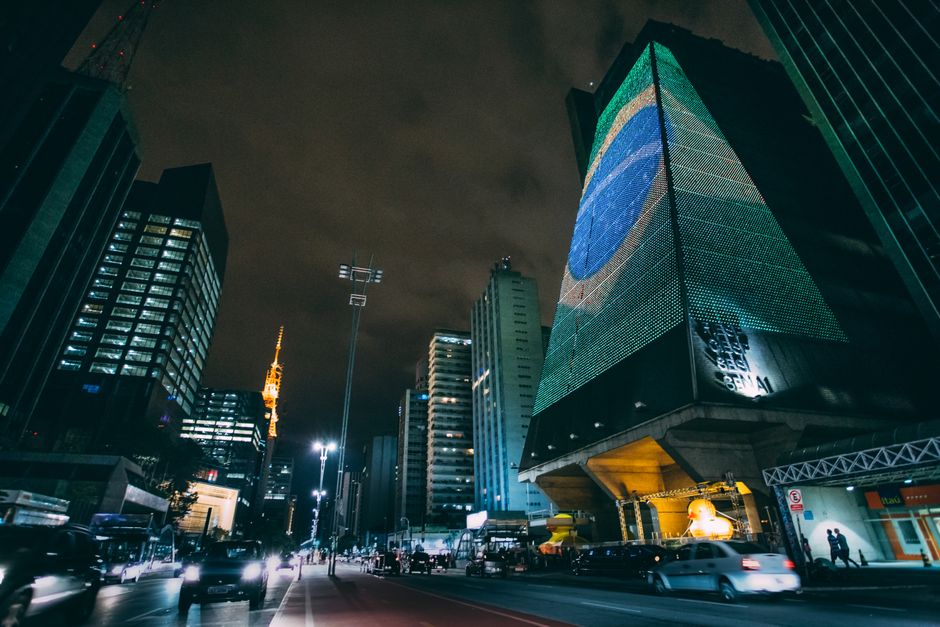
São Paulo Education Leaders Warn: Investment Gap Is Widening the Divide Between Rich and Poor Students
A growing funding shortfall across municipal schools is reshaping life chances for hundreds of thousands of children across the city's periphery.
A growing funding shortfall across municipal schools is reshaping life chances for hundreds of thousands of children across the city's periphery.
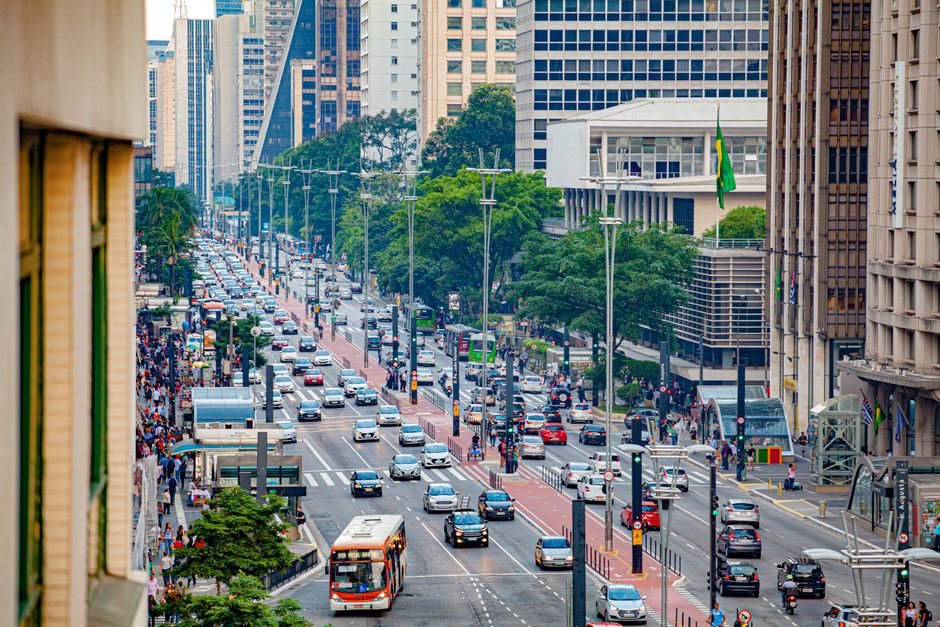
São Paulo's municipal education secretariat confirmed this week that per-pupil spending in schools across the city's eastern and southern zones trails equivalent investment in wealthier districts by nearly 40 percent — a gap that education leaders say is actively worsening outcomes for roughly 1.1 million students enrolled in the Rede Municipal de Ensino.
The timing matters. Brazil's federal government under President Lula is finalising its 2027 budget framework, with education ministries at every level under pressure to justify allocations. For Mayor Ricardo Nunes, whose administration controls 2,738 municipal schools, the figures land at a politically uncomfortable moment. The city's IDEB score — the federal index measuring learning quality — stagnated at 5.8 for the municipal network in the most recent assessment cycle, well below the national target of 6.0 set for 2025.
In Jardim Ângela, a neighbourhood in the M'Boi Mirim subprefecture on the far southern edge of the city, three EMEFs — Escolas Municipais de Ensino Fundamental — are operating without functioning science laboratories. Teachers at one school near Estrada de M'Boi Mirim report classes of up to 38 students sharing textbooks printed in 2019. Meanwhile, schools inside the Consolação and Pinheiros districts, closer to Paulista Avenue, have received infrastructure upgrades under the city's Escola do Futuro programme at roughly three times the rate of schools in subprefeituras like Guaianases and Itaim Paulista.
The Centro de Estudos e Pesquisas em Educação, Cultura e Ação Comunitária — known as CENPEC, headquartered in the Barra Funda neighbourhood — has tracked this divergence for more than a decade. Its researchers note that the gap is not simply about construction or buildings. Digital infrastructure is the sharpest dividing line. In schools across the Zona Leste, fewer than 31 percent of classrooms had functional high-speed internet access as of the last survey conducted in March 2026, compared to 74 percent in schools across the Zona Oeste. A Chromebook distributed under the city's Programa Aprendizagem em Foco sits unused in at least 400 schools because there is no reliable connection to run it on.
The cost of inaction compounds yearly. A child entering first grade in 2026 in Cidade Tiradentes, one of the city's most distant eastern districts, will spend the next nine years of fundamental schooling in an environment where reading literacy rates among third-graders already sit at 52 percent — compared to a municipal average of 68 percent, according to the Secretaria Municipal de Educação's own April 2026 diagnostic report. Economists at the Fundação Getulio Vargas campus on Rua Itapeva, just off Paulista, have modelled what that literacy deficit translates into over a lifetime: a worker who exits school functionally illiterate earns, on average, R$780 less per month than the median formal-sector wage in São Paulo.
Community organisations are not waiting. The União dos Conselhos de Escola, which coordinates parent councils across the municipal network, is circulating a petition to the Câmara Municipal demanding that the city's Lei Orçamentária Anual for 2027 ring-fence a minimum of 28 percent of municipal revenue for education — up from the constitutional floor of 25 percent. The group has scheduled a public act on Paulista Avenue for the evening of July 15.
Parents in affected neighbourhoods can also access the Conselho de Escola at their local EMEF, a legally mandated body that has the right to audit school spending and request infrastructure reviews. In districts where these councils are active and organised — researchers point to examples in Sapopemba — schools have consistently secured faster repairs and equipment deliveries than in schools where the councils exist only on paper.
The Secretaria Municipal de Educação has until September 30 to submit its annual performance review to the Tribunal de Contas do Município. Education advocates say that deadline is the most immediate pressure point — and the moment when organised public scrutiny is most likely to produce results.
How does this story make you feel?
Spread the word
About this article
Published by The Daily São Paulo
Daily brief
Free, in your inbox before 7am. Weekdays.
More in News