São Paulo's Public Universities Face Budget Crisis: Why It Threatens Economic Mobility for Millions
As state funding pressures mount, families across the metropolis confront an uncertain future for higher education access.
As state funding pressures mount, families across the metropolis confront an uncertain future for higher education access.
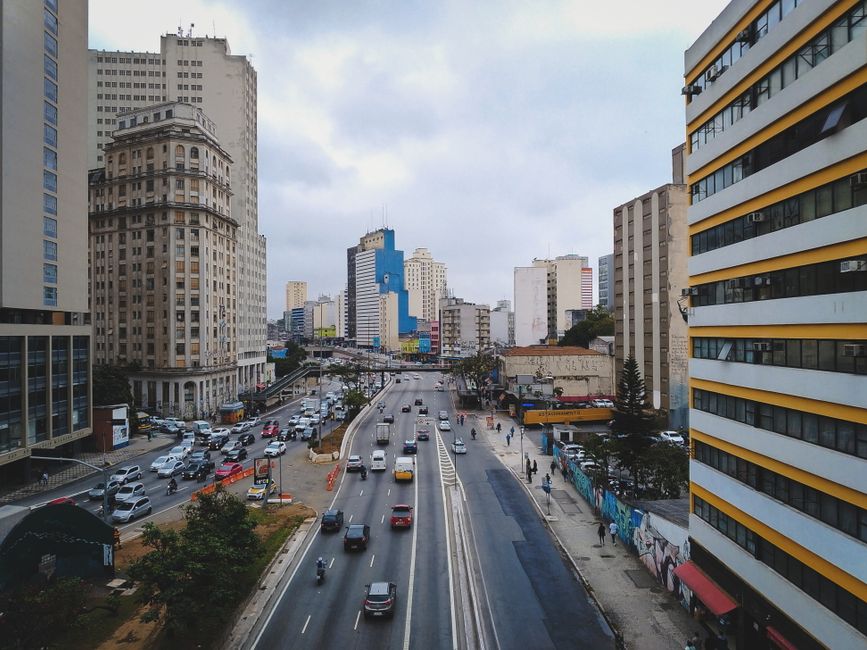
The crisis brewing in São Paulo's public university system represents far more than an administrative headache—it threatens the educational lifeline for hundreds of thousands of families across the metropolitan region who depend on tuition-free higher education to escape poverty cycles.
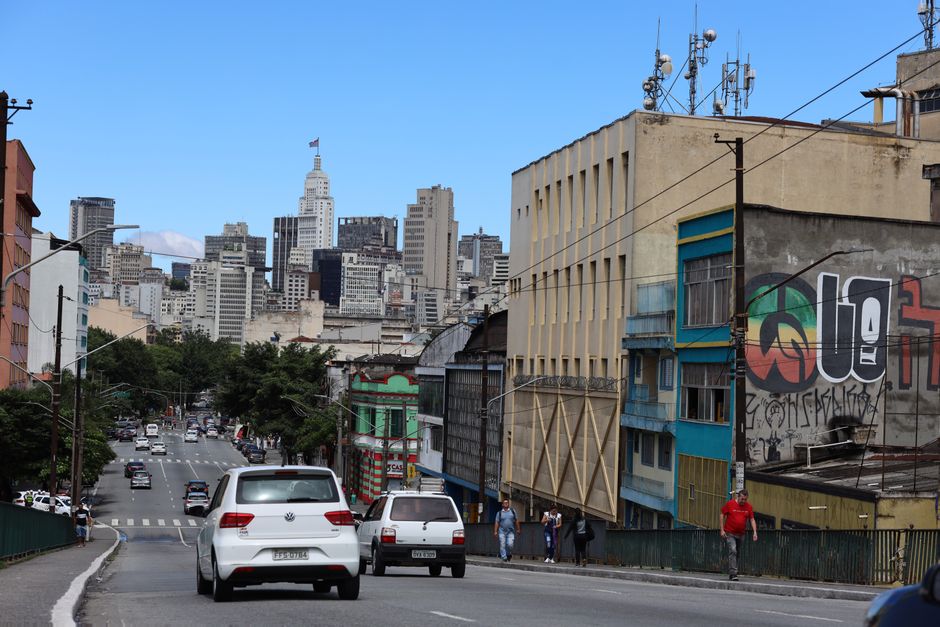
The University of São Paulo (USP), situated across its sprawling campuses in the Butantã district and beyond, along with UNICAMP in the interior and UNESP's multiple locations, educates approximately 230,000 students. Most come from families earning under R$10,000 monthly. For residents of peripheral neighbourhoods like Capão Redondo, Itaquera, and Grajaú—where private university fees exceed R$3,000 per month—these public institutions represent the only realistic pathway to professional advancement.
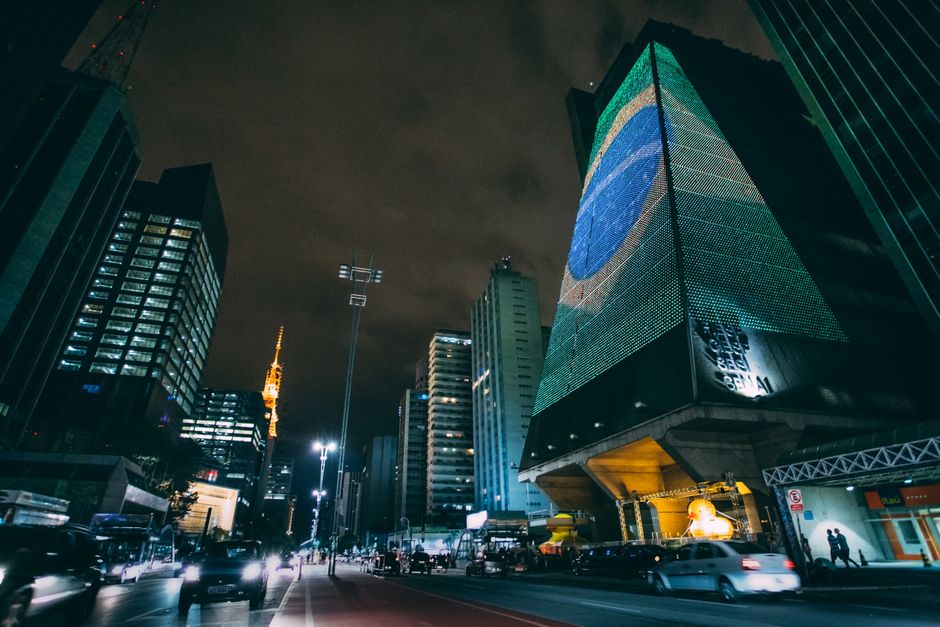
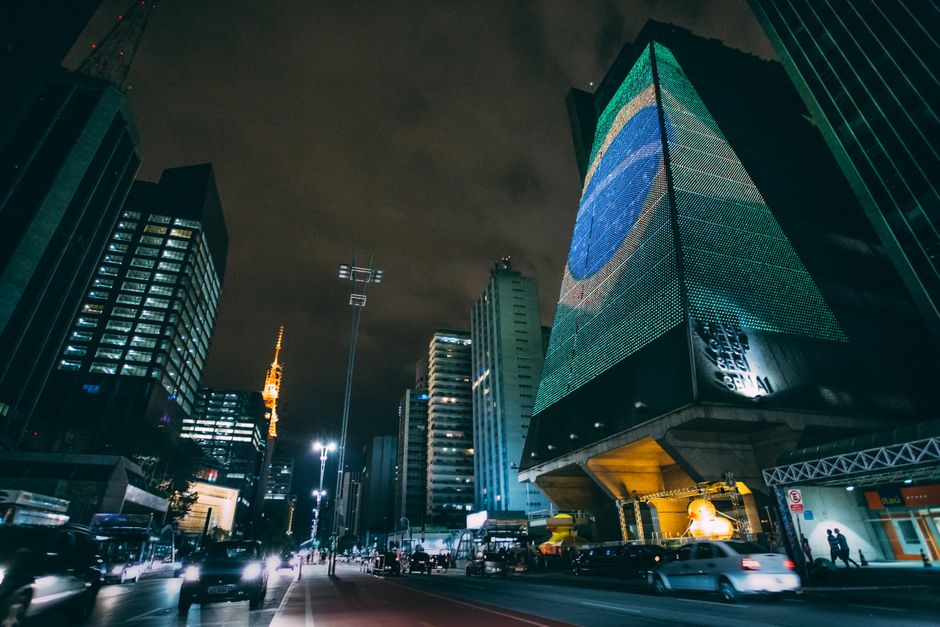
Recent funding reallocations have already cascaded into observable impacts. Library hours at USP's campus near Avenida Paulista have contracted. Research grants in STEM fields that trained São Paulo's tech workforce have shrunk by nearly 18 percent year-on-year. Graduate programmes that produced engineers, doctors, and scientists feeding the city's industrial and healthcare sectors face potential suspension.
The ripple effects extend immediately into São Paulo's economy. The metropolitan region accounts for approximately 32 percent of Brazil's GDP. Universities don't merely educate—they anchor innovation ecosystems. The technology corridor emerging around Santo Amaro and the Pinheiros region depends on researchers graduating from these institutions. Pharmaceutical companies clustered in the southern zone recruit extensively from public university labs.
Communities most affected by potential university contraction are precisely those where educational access determines life trajectories. A student from a Vila Madalena family with private schooling has alternatives; a student from Sapopemba does not. When public university capacity shrinks, inequality calcifies.
Beyond individual outcomes, São Paulo's global competitiveness depends on maintaining research infrastructure. The city positions itself as Latin America's premier knowledge economy. That position becomes precarious when investment in the institutions generating that knowledge declines.
Local government and civil society organisations have begun mobilising. Education advocacy groups across the city are documenting programme closures and student displacement. The conversation, however, remains fragmented—dominated by academic circles rather than the working families whose futures hang in balance.
What unfolds in university boardrooms and state government offices over the coming months will determine whether São Paulo's public education system remains a genuine equaliser, or becomes another service available primarily to the privileged. For millions of metropolitan residents, the distinction matters enormously.
This article was compiled by AI from the sources linked above and screened before publishing. See our editorial standards.
How does this story make you feel?
Spread the word
About this article
Published by The Daily São Paulo
Daily brief
Free, in your inbox before 7am. Weekdays.
More in News