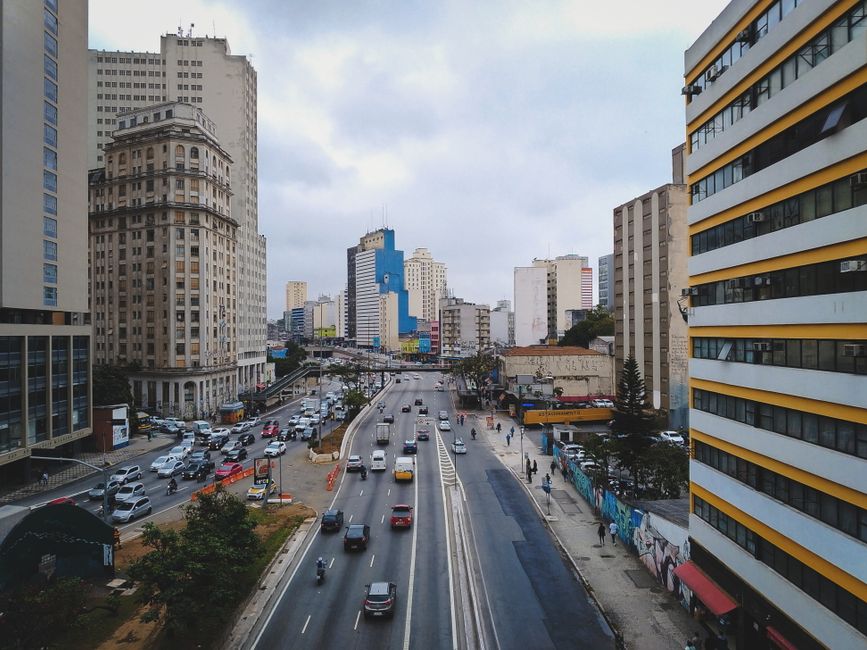
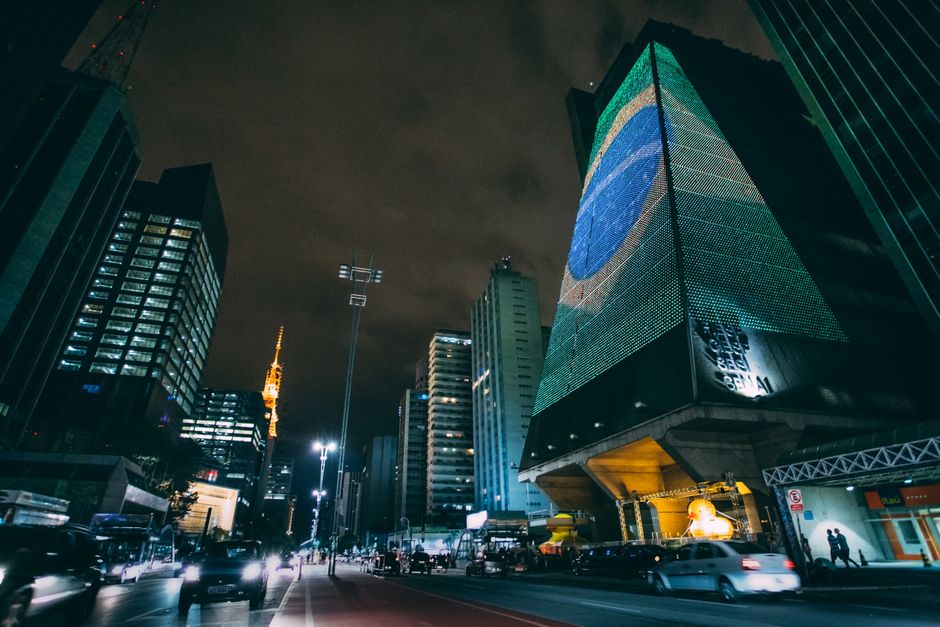
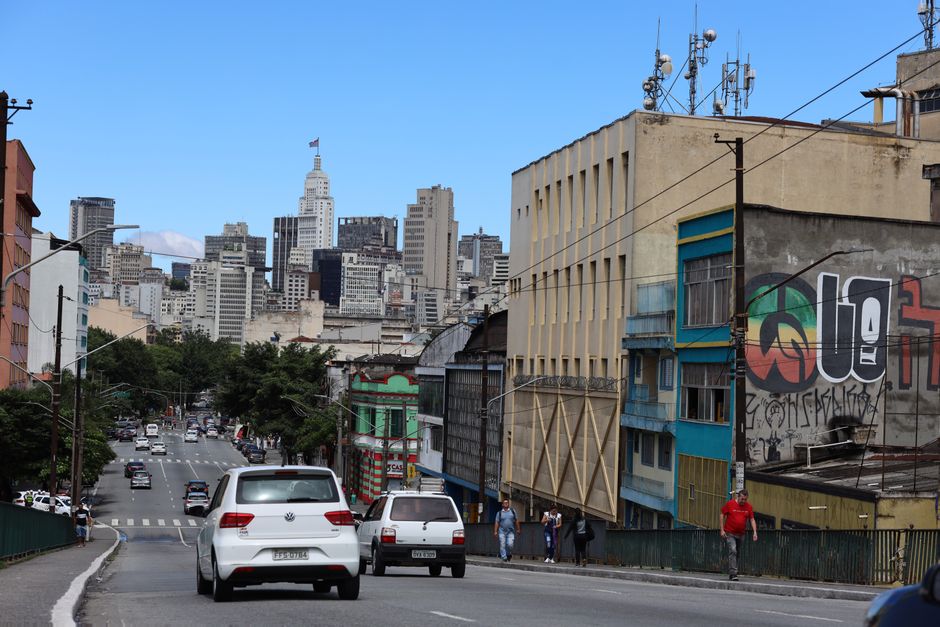
For Maria Santos, a nurse at Hospital das Clínicas, the daily journey from her home in Guarulhos to work near Avenida Paulista has become a brutal arithmetic of lost time. Two buses, one crowded train, and a 15-minute walk on foot: nearly 90 minutes each way. When Metro Line 20 opens in 2028, that same trip will take 30 minutes door-to-door. She is one of an estimated 500,000 residents whose lives will be fundamentally altered by São Paulo's most ambitious transport infrastructure project in a decade.
The 34-kilometre corridor, running from Jabaquara in the South Zone through the city centre and terminating in Guarulhos near the international airport, represents a €4.2 billion investment that finally addresses one of São Paulo's most persistent geographic inequality: the disproportionate travel burden shouldered by working-class communities in the periphery. Current metro ridership data shows that residents in outlying neighbourhoods like Itaquera and Guarulhos spend an average of 15 per cent of their monthly income on transport—double the rate for those living closer to the Pinheiros and Tietê rivers.
The project's ripple effects extend far beyond commute times. Real estate analysts predict property values in Jabaquara will rise 25 to 40 per cent within two years of Line 20's inauguration, potentially pricing out long-time residents unless affordable housing is fast-tracked. The Secretaria de Habitação has pledged 8,000 new units along the corridor, but timing remains uncertain. Local merchants on Rua Vergueiro and surrounding streets report cautious optimism; better connectivity could finally unlock retail and restaurant potential in neighbourhoods that have struggled with foot traffic.
Construction disruptions have already tested patience. Shop owners near Estação Jabaquara report a 30 per cent drop in customers since excavation began last year. The Associação Comercial de São Paulo has lobbied for accelerated completion and promised compensation schemes, though details remain vague.
For students, the stakes are equally high. Young people from Guarulhos currently lose three hours daily to transport, limiting access to universities and job-training centres in the city centre. Researchers at USP's Centro de Estudos da Metrópole estimate that reducing commute times by 60 minutes daily could increase labour force participation among young adults in peripheral zones by 12 per cent.
As excavation deepens and station frameworks rise along the corridor, São Paulo's transport future is taking physical shape. Whether Line 20 becomes a tool for genuine social integration or another accelerant of gentrification will largely depend on decisions made—and funded—in the coming 18 months.
This article was compiled by AI from the sources linked above and screened before publishing. See our editorial standards.