São Paulo's environmental agenda is gaining momentum, with key officials and experts increasingly vocal about the urgent need for systemic change across the sprawling metropolis of 12 million residents. At a recent forum held at the Pinacoteca do Estado, city administrators and sustainability specialists outlined their priorities for a city that consistently ranks among Latin America's most polluted urban centres.
"We cannot separate environmental policy from social equity," said a representative from São Paulo's Environmental Secretariat during discussions about air quality improvement initiatives. The city's average PM2.5 levels—fine particulate matter linked to respiratory disease—regularly exceed WHO guidelines, particularly during dry season months from May through September.
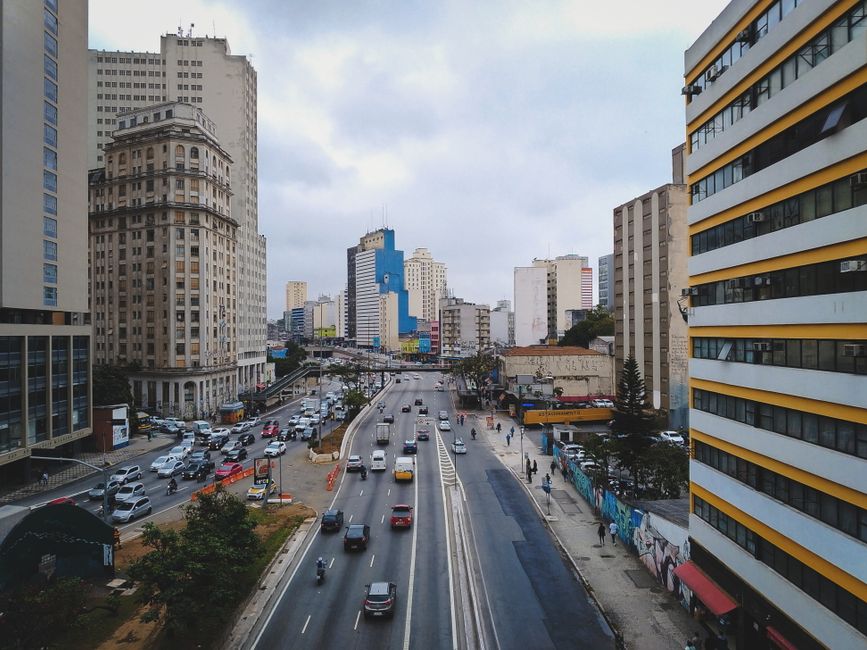
Experts convening at the Fundação Getulio Vargas's sustainability centre in Consolação have stressed the importance of expanding São Paulo's bus rapid transit system, which currently covers 380 kilometres of dedicated lanes. They argue that reducing reliance on private vehicles remains essential, given that motorcycles and cars account for approximately 64 per cent of the city's greenhouse gas emissions.
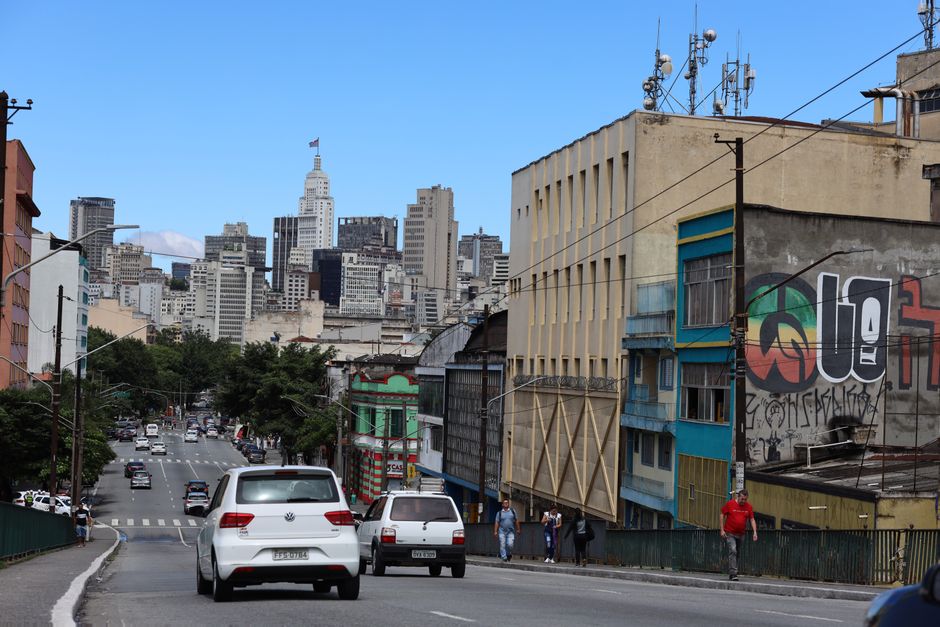
Officials responsible for São Paulo's green spaces initiative have emphasized reforestation efforts, particularly in peripheral neighbourhoods like Grajaú and Capão Redondo, where vegetation coverage drops below 5 per cent. A director overseeing urban forestry programmes noted that tree-planting targets have expanded from 50,000 annually to 200,000, though funding constraints remain a persistent challenge.
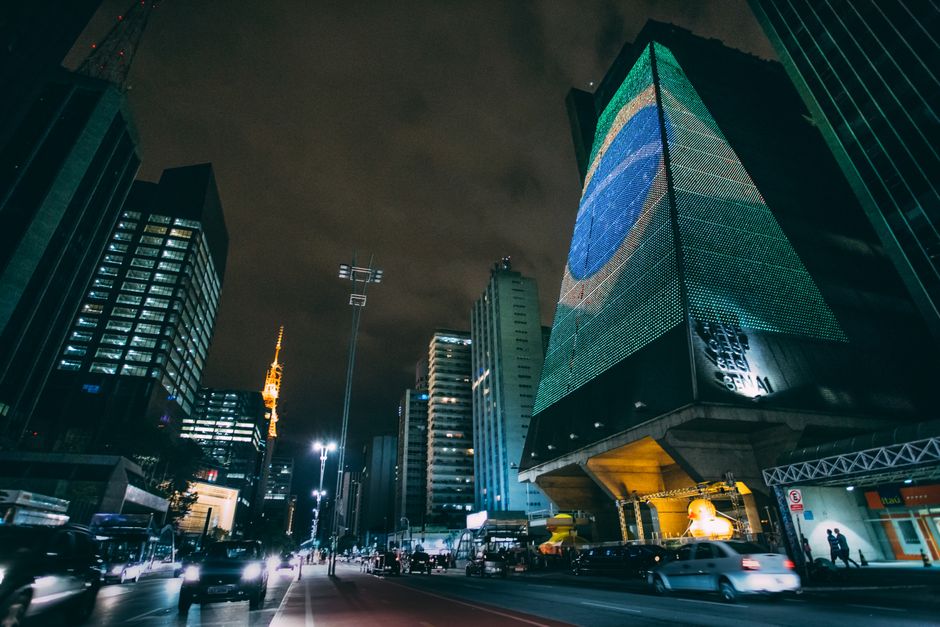
Sustainability researchers from the University of São Paulo's Institute of Energy and Environment have highlighted the untapped potential of rooftop solar installations across the city's commercial districts around Avenida Paulista and the financial hub near Avenida Brigadeiro Faria Lima. They point to federal incentive programmes that have reduced solar panel costs by 40 per cent since 2020, making residential adoption increasingly feasible.
Water management emerged as a critical theme in recent discussions. Officials acknowledged that São Paulo's dependence on distant reservoirs—particularly the Cantareira system—demands urgent conservation measures. Experts recommend aggressive pricing reforms for industrial water consumption and stricter regulations on illegal extraction in peripheral regions.
While acknowledging progress, environmental leaders emphasize that São Paulo's transition to sustainability requires sustained investment, political will, and community engagement. The consensus among officials and specialists is clear: the city's environmental future depends on integrated action across transportation, energy, forestry, and water management—and the window for decisive action remains narrow.
This article was compiled by AI from the sources linked above and screened before publishing. See our editorial standards.