How São Paulo's Housing Crisis Became the City's Central Political Challenge
Decades of speculative development, regulatory gaps, and population pressures have transformed real estate policy into the defining issue shaping municipal governance.
Decades of speculative development, regulatory gaps, and population pressures have transformed real estate policy into the defining issue shaping municipal governance.
São Paulo's contemporary housing crisis did not emerge overnight. Rather, it reflects the accumulation of policy choices, market pressures, and demographic shifts that have reshaped the metropolitan area since the 1980s.
The story begins with the city's explosive growth during Brazil's industrial boom. As manufacturing expanded along the ABC corridor and beyond, São Paulo's population surged from 3 million in 1950 to nearly 12 million today across the metropolitan region. Much of this expansion occurred in informal settlements—favelas and loteamentos irregulares scattered across peripheral zones in Guaianazes, Capão Redondo, and São Mateus. City planners largely permitted this organic growth while focusing investment on central districts.
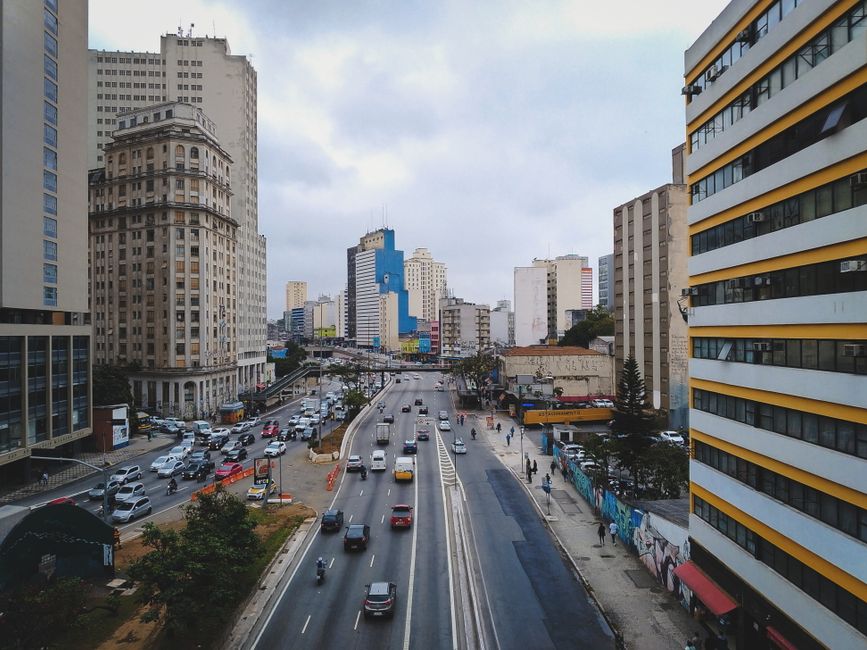
By the 1990s, however, a new dynamic took hold. Real estate developers recognized extraordinary profit potential in central neighbourhoods. Pinheiros, Vila Mariana, and Vila Madalena transformed from working-class residential areas into luxury enclaves. Average square-metre prices in these zones climbed from approximately 3,000 reais in 2005 to over 12,000 reais by 2024—pricing out middle-income families entirely.
Regulatory decisions accelerated this shift. The 1992 Lei de Zoneamento allowed developers significant flexibility in floor-area ratios, particularly in already-consolidated areas. Vertical construction intensified. Meanwhile, the federal Minha Casa, Minha Vida program, launched in 2009, constructed units primarily on the periphery—reinforcing geographic segregation while doing little to address central-city affordability.
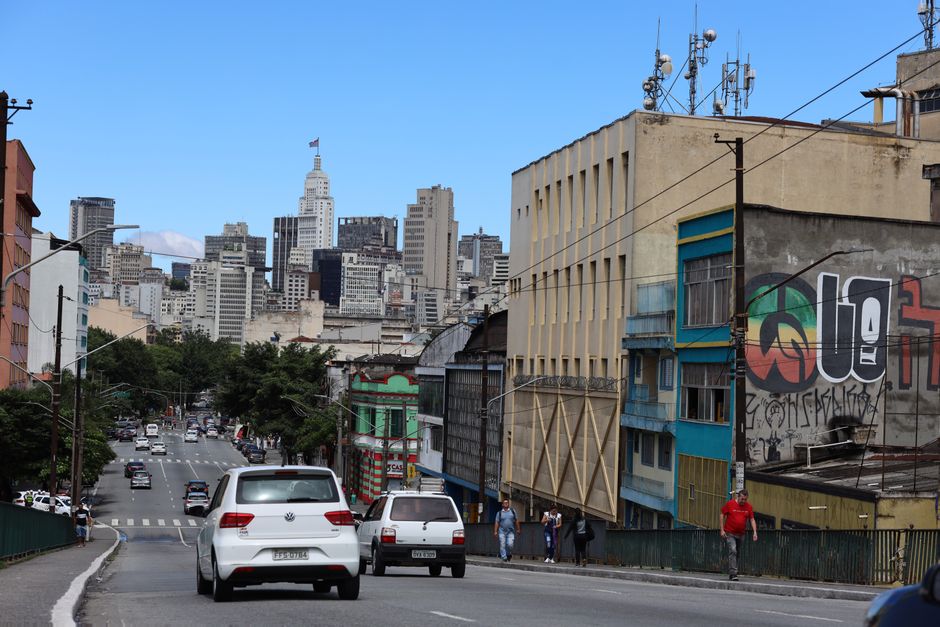
Population pressure intensified the squeeze. Economic migration from northeastern states continued alongside Venezuela's recent crisis, adding pressure on existing stock. Today, approximately 8 per cent of São Paulo's population inhabits favelas—roughly 1 million people—while homelessness has visibly increased in downtown areas surrounding Praça da República and the Vale do Anhangabaú.
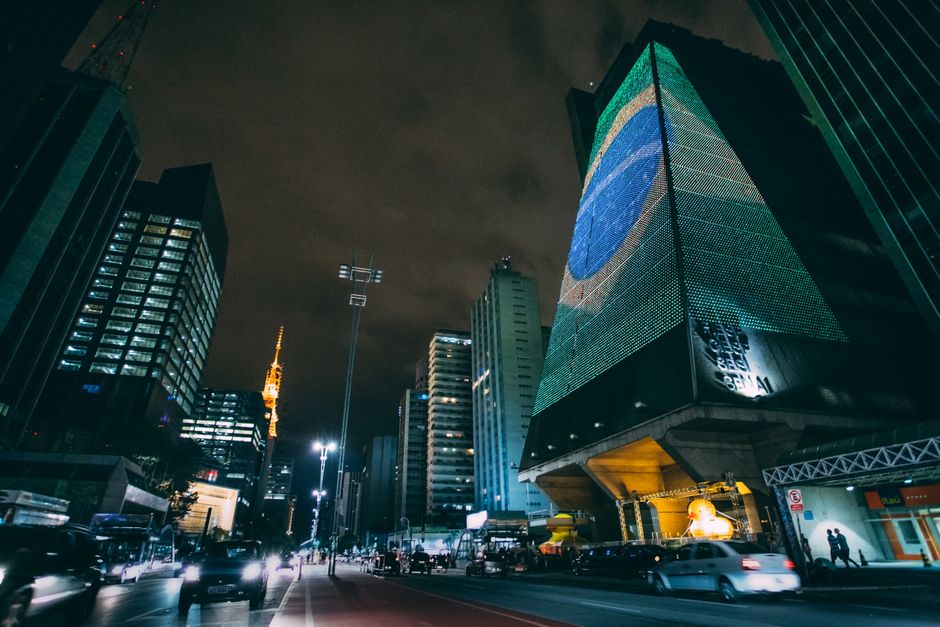
Simultaneously, São Paulo's office market collapsed. The 2020 pandemic permanently altered work patterns; commercial districts like Av. Paulista saw occupancy rates plummet. Rather than converting empty office towers into housing, regulatory frameworks and economic incentives continued favouring speculative retention or residential luxury development.
These converging pressures—historical underinvestment in affordable central housing, regulatory permissiveness toward vertical development, persistent peripheral growth, and recent economic shocks—created today's impasse. Current municipal administration faces inherited constraints: municipal zoning laws locked into decades-old assumptions, federal housing programs inadequately funded, and a real estate market structured around speculative returns rather than social need.
Understanding this trajectory matters because proposed solutions—density bonuses, zoning reform, inclusionary housing mandates—directly confront the interests and incentive structures embedded during precisely these decades. São Paulo's housing future will be determined not by abstract planning ideals, but by whether policymakers can reform the institutional architecture that created this crisis.
This article was compiled by AI from the sources linked above and screened before publishing. See our editorial standards.
How does this story make you feel?
Spread the word
About this article
Published by The Daily São Paulo
Daily brief
Free, in your inbox before 7am. Weekdays.
More in News