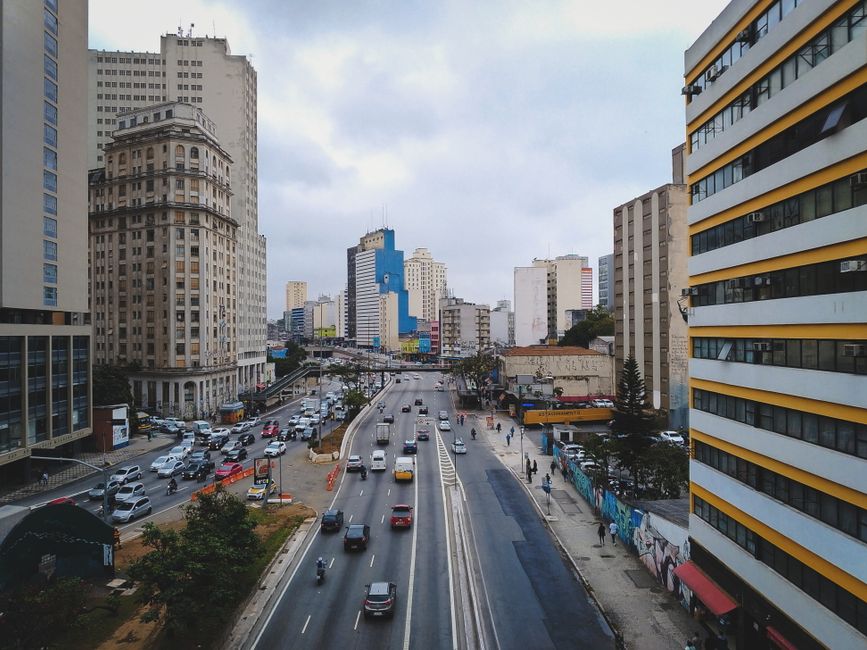
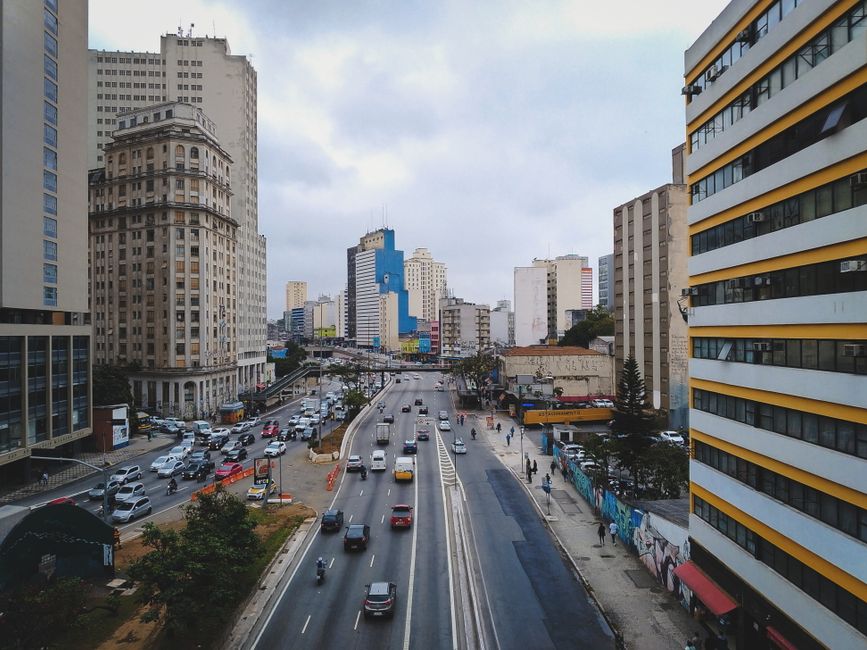
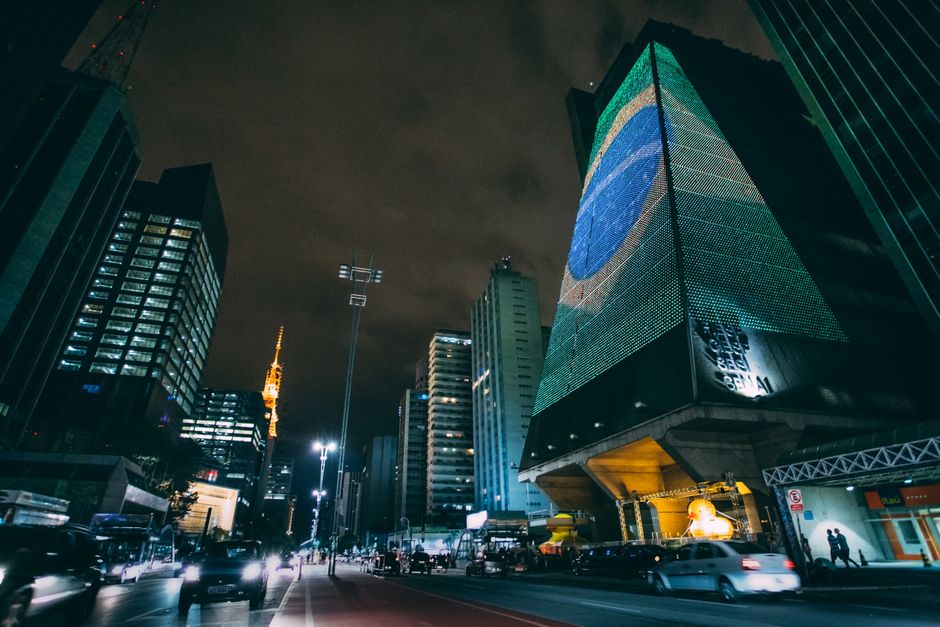
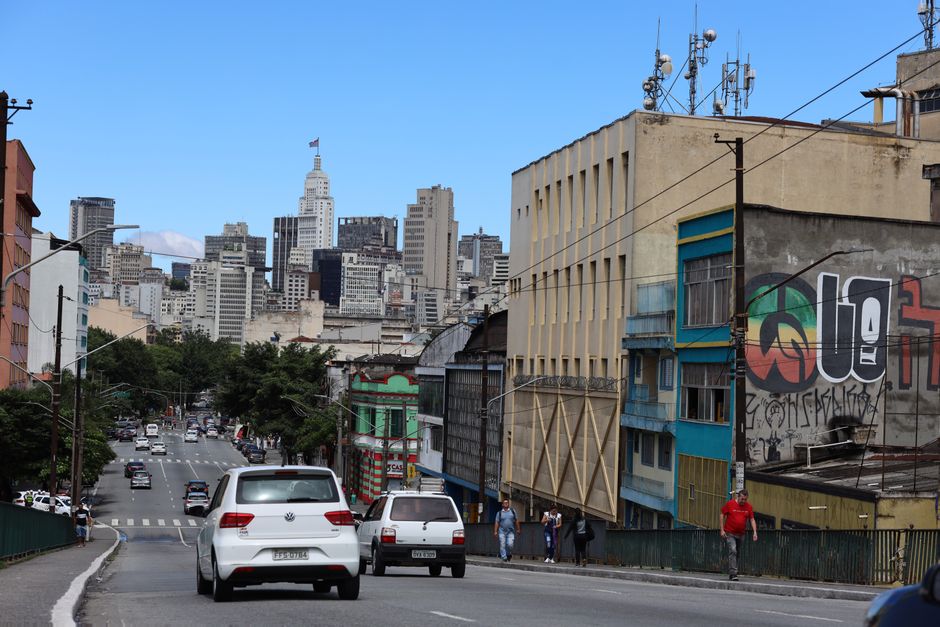
São Paulo's public transportation woes have reached a critical inflection point. With average commute times now stretching to 96 minutes for residents traveling from outlying zones like Itapevi and Osasco to the financial heart of Paulista Avenue, city administrators are scrambling to justify why Latin America's wealthiest metropolis lags behind regional competitors in infrastructure modernization.
The Linha 6 (Laranja) extension, originally promised for 2024, now faces completion estimates beyond 2027—a delay that has cost the São Paulo Metro company an estimated R$2.4 billion in additional expenses. Meanwhile, Mexico City's recent overhaul of its Metro system, completed largely on schedule, transported 4.6 million daily passengers as of last year. Santiago's metro expansion similarly achieved a 23 percent increase in ridership following its investment surge.
"São Paulo is investing at a fraction of the rate needed," says infrastructure analysis from the Fundação Getulio Vargas, which tracks metropolitan development across Latin American capitals. The city allocates approximately 0.8 percent of its municipal budget to transit infrastructure—half the proportion dedicated by Mexico City and a quarter of what Santiago commits.
The human cost reverberates across neighborhoods. In the Zona Leste—home to nearly 4 million residents—bus-dependent commuters face overcrowding on routes like the 3101 and 3102, which operate at 180 percent capacity during peak hours. A single ticket costs R$4.40, while round-trip monthly passes exceed R$220, consuming up to 18 percent of minimum wage earners' salaries.
City officials hosted a roundtable discussion last month at the Secretaria Municipal de Mobilidade headquarters on Avenida 9 de Julho, where planners discussed adopting Mexico City's rapid-execution model. That city completed nine major transit corridors in five years by consolidating decision-making authority and reducing bureaucratic approval timelines from 24 months to six.
São Paulo's current administration has proposed the "Mobilidade 2030" initiative, which would prioritize bus rapid transit (BRT) corridors over rail expansion—a departure from the capital-intensive subway strategy that consumed decades without solving congestion. Critics argue the shift abandons long-term solutions in favor of politically expedient short-term fixes.
With municipal elections approaching in October 2026, candidates are increasingly leveraging São Paulo's transit stagnation as a campaign flashpoint, contrasting the city's sluggish pace against the measurable wins posted by Mexican and Chilean administrators. The question facing voters is whether São Paulo's next leadership can finally break the pattern of ambitious promises and delayed delivery that has defined metropolitan transportation for two decades.
This article was compiled by AI from the sources linked above and screened before publishing. See our editorial standards.