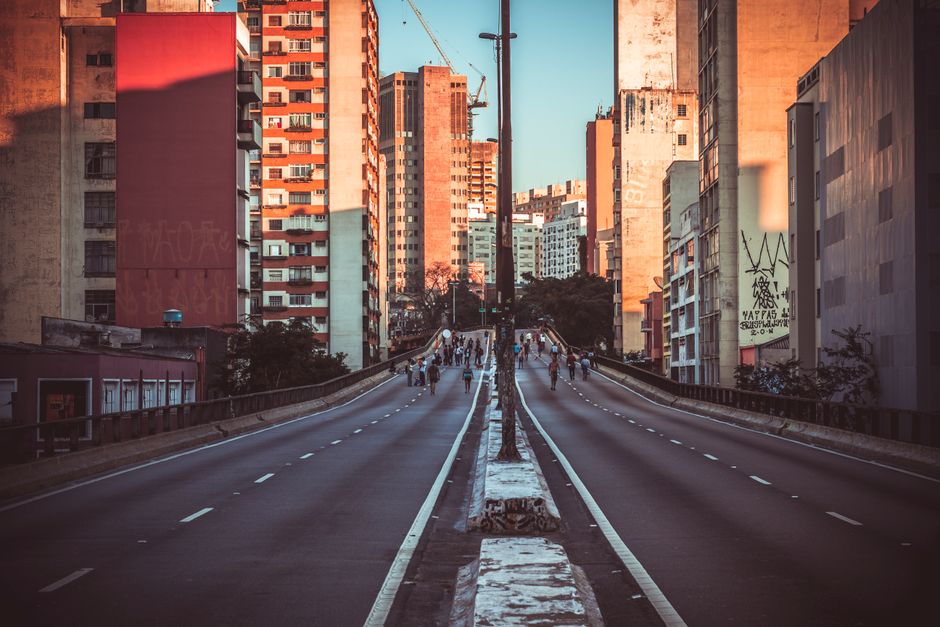
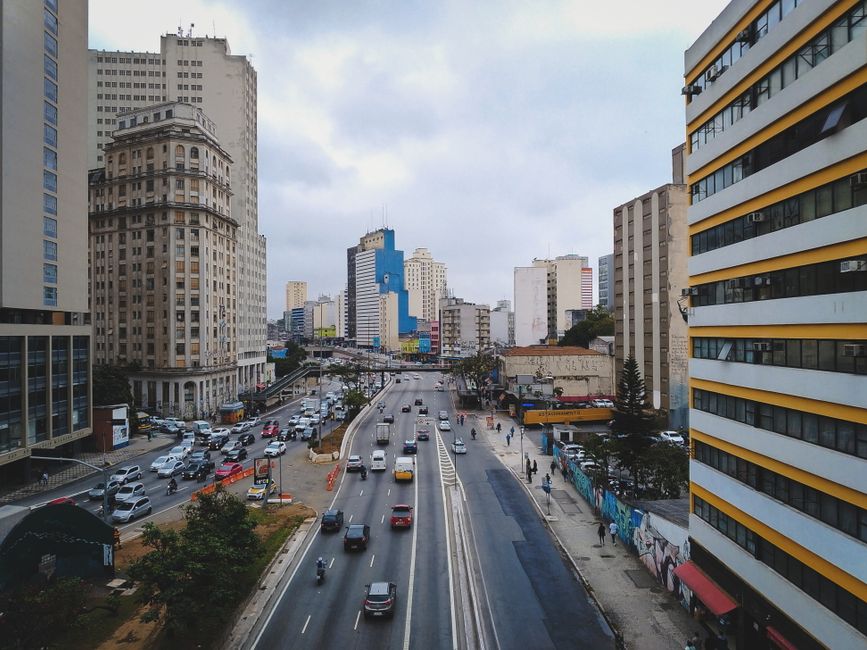
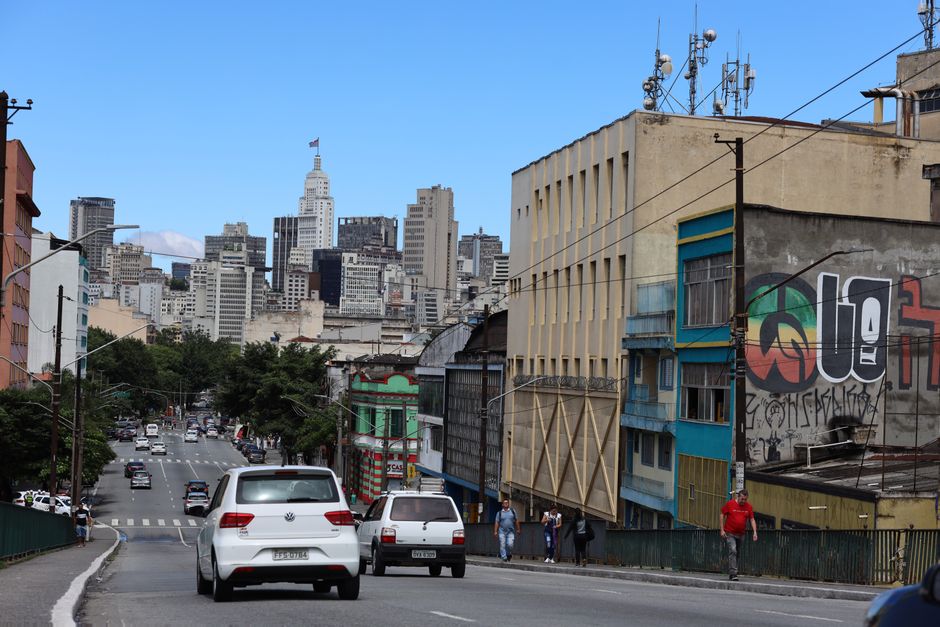
São Paulo's housing affordability crisis has reached a critical inflection point. Average rental prices in traditionally middle-class neighbourhoods like Pinheiros and Vila Mariana have surged 45 percent over the past four years, while the city's periphery—home to nearly 60 percent of its 12 million residents—continues expanding outward into precarious favela settlements.
The contrast with peer megacities reveals a fundamental divergence in urban policy. While Singapore implemented strict rent controls paired with aggressive public housing construction beginning in the 1960s (today over 80 percent of residents live in government-built apartments), São Paulo has pursued a largely market-driven approach. The city's recent Plano Diretor revisions emphasize mixed-use development and zoning flexibility around transport corridors like the Linha Amarela metro extension, but critics argue this benefits developers more than struggling residents.
Tokyo and Mexico City offer instructive comparisons. Tokyo's rigid building regulations prevent speculative bubbles while maintaining neighbourhood character—properties in central districts remain comparatively stable. Mexico City, facing similar pressures to São Paulo, has launched an ambitious social housing program targeting 200,000 units by 2030. São Paulo's social housing initiatives, concentrated in peripheral zones like Itaquera and Cidade Tiradentes, house roughly 40,000 families annually—a fraction of actual demand.
The numbers tell a stark story. A modest two-bedroom apartment in Consolação or Santa Cecília now commands rents exceeding R$3,500 monthly, roughly equivalent to Mexico City's upscale Polanco neighbourhood. Yet wages haven't kept pace. The minimum wage barely covers basic rent in desirable central areas, forcing young professionals and families toward the outskirts—a pattern that intensifies traffic congestion on the Via Imigrantes and Rodovia Castelo Branco.
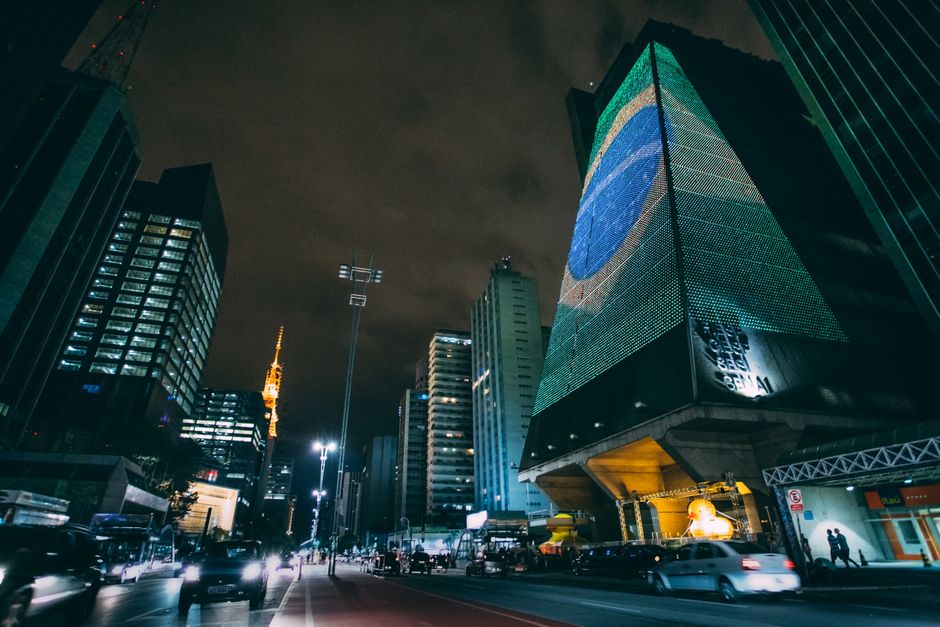
City Hall has attempted interventions. The Programa de Aceleração do Crescimento da Habitação promises R$2.5 billion for housing projects through 2028, while new regulations encourage vertical construction along Avenida Paulista and Avenida Faria Lima. Yet these measures remain fragmented compared to the coordinated metropolitan strategies deployed in Singapore or South Korea's Seoul.
The real estate sector argues São Paulo's openness attracts global investment crucial for the city's competitiveness. Developers point to revitalization in areas like the Mooca waterfront and Vila Leopoldina as proof of trickle-down benefits. Yet affordable housing advocates contend that without aggressive intervention—rent caps, mandatory inclusionary zoning, and expanded public housing—São Paulo risks becoming a city increasingly inaccessible to its own workforce.
As other megacities implement bolder housing solutions, São Paulo faces a choice: adjust course toward social housing models that have succeeded elsewhere, or accept growing inequality etched into the city's geography.
This article was compiled by AI from the sources linked above and screened before publishing. See our editorial standards.