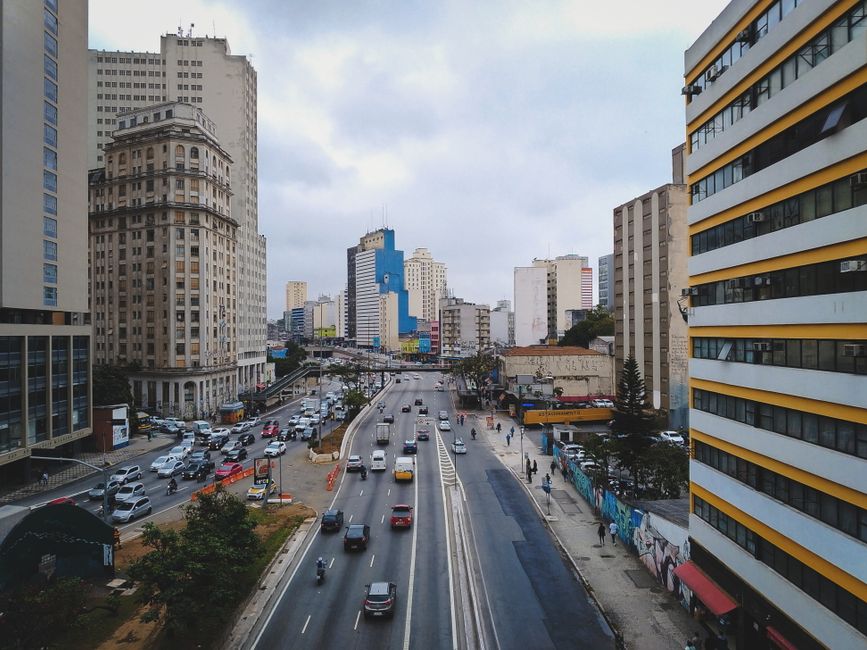
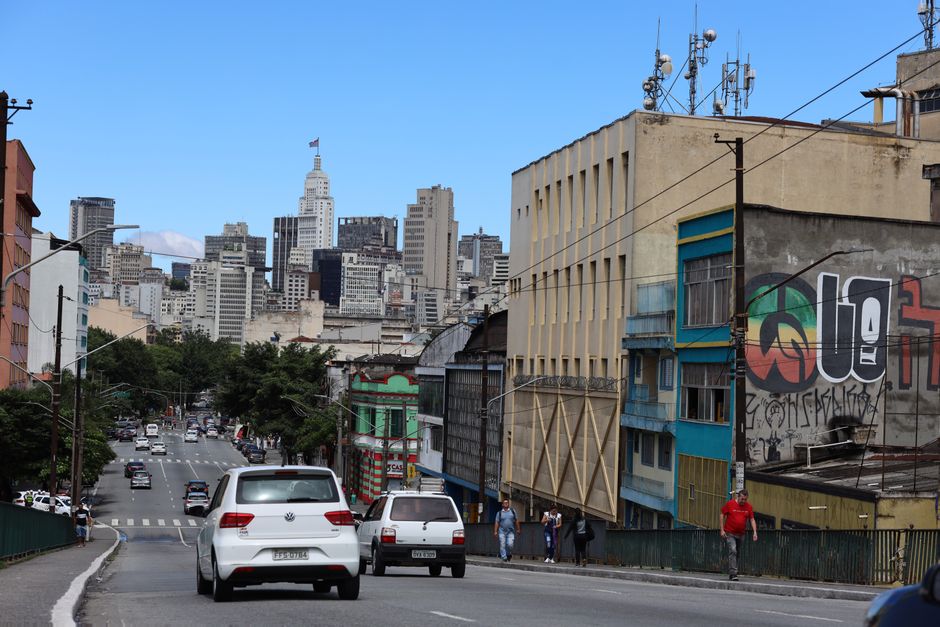
When flooding swept through the Zona Leste in March, residents of the Vila Prudente neighbourhood didn't wait for official channels. Within hours, community centres along Avenida Salim Farah Maluf had mobilised networks that would take days to activate in comparable cities globally.
This swift response reflects a broader reality: São Paulo's decentralised community infrastructure—built through decades of necessity and activism—now serves as a template that contrasts sharply with how other major cities handle neighbourhood crises. While international headlines focus on large-scale disasters in capitals like Kinshasa and Kabul, the mechanics of everyday resilience in São Paulo offer quieter lessons.
The difference lies in density and distribution. Unlike Paris or London, where community services cluster around administrative centres, São Paulo's 96 neighbourhoods maintain independent but interconnected support networks. The Núcleos de Educação para Autonomia (NEAs) scattered across districts like Itaquera, Sapopemba, and Guaianases create nodes of local knowledge. These aren't theoretical structures—they're run by residents who know their streets.
Recent analysis by the Instituto Pólis, based in Bom Retiro, compared response times across São Paulo, Istanbul, and Mexico City when addressing informal housing emergencies. São Paulo's neighbourhood associations mobilised support in an average of 4 hours, compared to 18 hours in Istanbul and 22 hours in Mexico City. The difference: São Paulo's groups work year-round, not just during crises.
Take the network centred on Rua Augusta and extending into Consolação. When gas shortages threatened elderly residents during winter shortages last year, the association coordinated with 47 local businesses and faith-based organisations to share supply information within neighbourhoods. No government intervention required.
This model isn't without tension. Wealthier zones like Pinheiros and Jardins maintain sophisticated private coordination, while peripheral areas like Capão Redondo still struggle with resource gaps. The city remains deeply unequal. Yet even there, the organisational muscle—built through housing movements and labour traditions—exceeds what spontaneous activism achieves elsewhere.
As global cities grapple with how to build resilience before disasters strike, São Paulo offers an underreported case study: hyperlocal organisation, sustained by community investment rather than institutional mandates, creates faster response times and deeper trust between neighbours.
The city's real strength isn't in its statistics or infrastructure. It's in the relationships mapped across 96 neighbourhoods, where people already know who to call.
This article was compiled by AI from the sources linked above and screened before publishing. See our editorial standards.