"We're Living in Fear": How São Paulo Residents Are Demanding Real Change on Street Crime
As robbery and assault incidents surge in central neighbourhoods, community voices grow louder—and more frustrated with authorities.
As robbery and assault incidents surge in central neighbourhoods, community voices grow louder—and more frustrated with authorities.
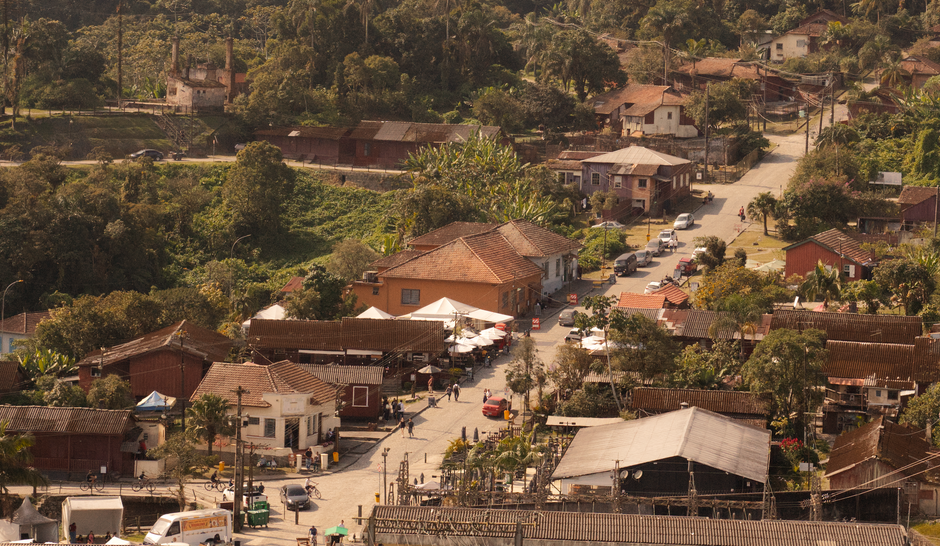
Walking home from the Estação da Luz metro station after 7 p.m. has become an act of calculated risk for thousands of São Paulo residents. The neighbourhood, once a cultural hub, has seen a 34% increase in reported robberies over the past eighteen months, according to data from the Secretaria de Segurança Pública. But statistics don't capture the lived reality—the quickened pulse, the altered routes, the abandonment of evening plans.
"People stop coming to the Pinacoteca, stop using the library, stop living their lives normally," says Mariana Costa, who coordinates a local business association on Avenida Tiradentes. "We've submitted five formal requests to the prefecture for increased patrols. Nothing changes." Costa represents dozens of shop owners and café managers whose revenues have declined as foot traffic dwindles after dark.
The anxiety extends beyond the centro histórico. In the Jardins neighbourhood—traditionally one of São Paulo's safest areas—residents report feeling increasingly vulnerable. A coordinated initiative by residents of Rua Augusta has installed private security cameras and hired additional patrols, a response that underscores a troubling reality: those with resources create parallel safety systems, while others are left exposed.
"The police are overwhelmed, underfunded, and frankly, demoralised," explains Lucia Mendes, a social worker with Ação Coletiva, an NGO operating across the zona leste. She points to systemic failures: insufficient community policing programmes, cuts to youth intervention centres, and a reactive rather than preventative approach to crime. "We address the symptoms, never the disease."
Some neighbourhoods are experimenting with grassroots solutions. The residents' association in Vila Madalena has established neighbourhood watch groups and regular community forums with local police captains—modest efforts yielding modest results. "At least someone is listening now," one participant noted at a recent meeting.
Yet frustration predominates. A recent survey by the Instituto Datafolha found that 72% of São Paulo residents view public safety as the city's most urgent challenge, superseding traffic congestion and healthcare access. The economic toll is tangible: businesses report theft losses averaging R$8,500 monthly, while property insurance premiums have doubled in high-risk areas.
As June concludes, residents remain vocal but sceptical. They're not asking for miracles—simply visible police presence, functional emergency response times, and evidence that their concerns matter. Until then, São Paulo's streets after sunset will remain territories negotiated with caution.
This article was compiled by AI from the sources linked above and screened before publishing. See our editorial standards.
How does this story make you feel?
Spread the word
About this article
Published by The Daily São Paulo
Daily brief
Free, in your inbox before 7am. Weekdays.
More in News