São Paulo's Housing Crisis Takes Different Path Than Global Peers—For Better and Worse
While cities worldwide grapple with affordability, São Paulo is charting its own course through mixed-income zoning and controversial favela integration projects.
While cities worldwide grapple with affordability, São Paulo is charting its own course through mixed-income zoning and controversial favela integration projects.
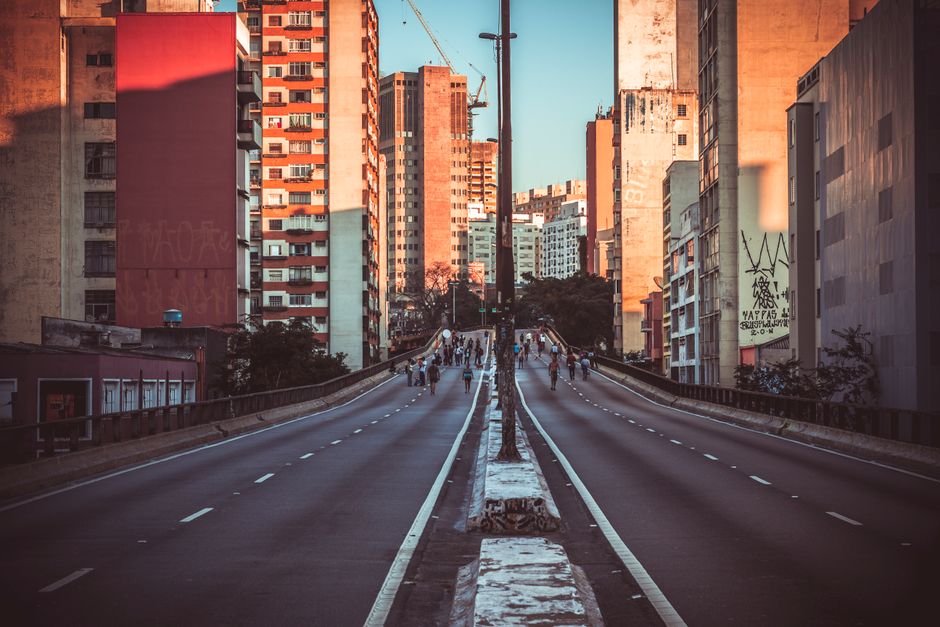
As housing costs spiral in major metropolitan centres from Vancouver to Berlin, São Paulo is pursuing a distinctly Brazilian approach to urban density and affordability—one that reveals both innovative thinking and stubborn implementation challenges.
The city's recent push to densify traditionally low-rise neighbourhoods like Vila Mariana and Pinheiros represents a calculated gamble. Unlike New York's gradual rezoning efforts or London's tight green-belt restrictions, São Paulo's municipal government has aggressively loosened height restrictions on residential properties, betting that increased supply will naturally moderate prices. Yet median apartment prices in prestigious zones have climbed to approximately R$15,000 per square metre—roughly triple the rate in peripheral neighbourhoods—suggesting supply-side solutions alone may prove insufficient.
More notably, São Paulo has diverged sharply from the gentrification patterns seen in other global cities. While Berlin and Barcelona have faced fierce backlash over displacement, São Paulo's Secretariat of Housing has prioritized what officials call "integrated favela upgrading." Projects in Paraisópolis and along the Pinheiros River aim to formalize settlements while preserving existing communities, rather than wholesale clearance. This contrasts with Singapore's model of relocation and Melbourne's incremental infill approach.
The Minha Casa, Minha Vida programme—Brazil's federal housing initiative—has delivered over 5 million units nationally, though critics argue the peripheral locations perpetuate spatial inequality. Residents of developments in Itapecerica da Serra or Franco da Rocha spend two to three hours daily commuting to employment centres in the Paulista Avenue corridor, a burden rarely seen in comparatively dense European cities.
Where São Paulo's approach genuinely distinguishes itself is in leveraging public-private partnerships for infrastructure alongside housing. The development of mixed-use zones near subway extensions, particularly along the still-expanding Metro Line 6, echoes Toronto's integration model but with distinctly Brazilian financing constraints. The city has also experimented with rent stabilization measures in select neighbourhoods—measures largely abandoned in Anglo-American cities as economically counterproductive.
Experts remain divided. Some urban planners point to São Paulo's pragmatism—accepting that massive informal settlements cannot be wished away—as more realistic than the market-fundamentalism dominating Anglo-Saxon discourse. Others argue the city is merely delaying inevitable conflicts between growth and equity.
As São Paulo hosts ongoing debates at venues like the Museum of Modern Art and city council sessions, one conclusion emerges: the city's housing challenge will ultimately be solved neither through American deregulation nor European intervention, but through messier, distinctly local combinations of both.
This article was compiled by AI from the sources linked above and screened before publishing. See our editorial standards.
How does this story make you feel?
Spread the word
About this article
Published by The Daily São Paulo
Daily brief
Free, in your inbox before 7am. Weekdays.
More in News