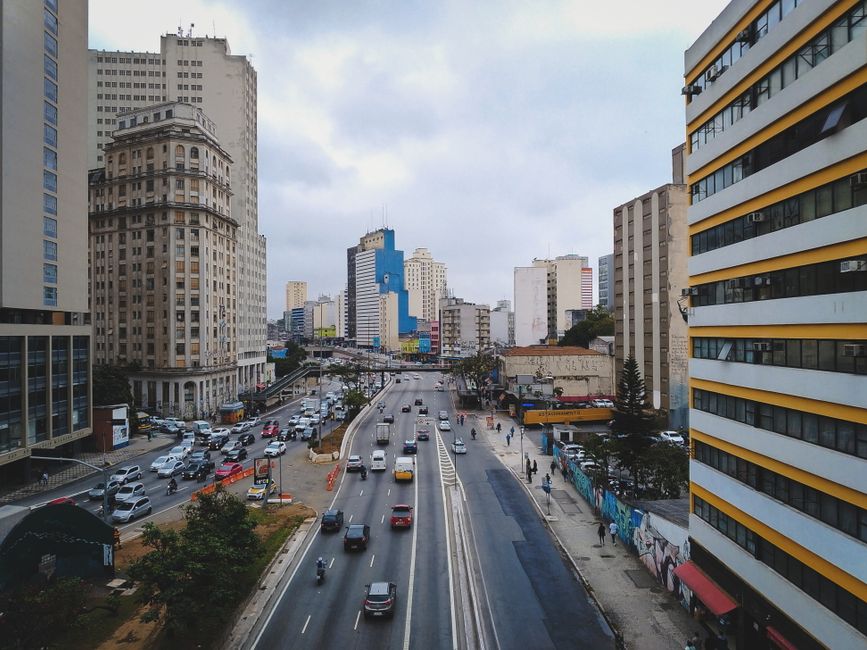
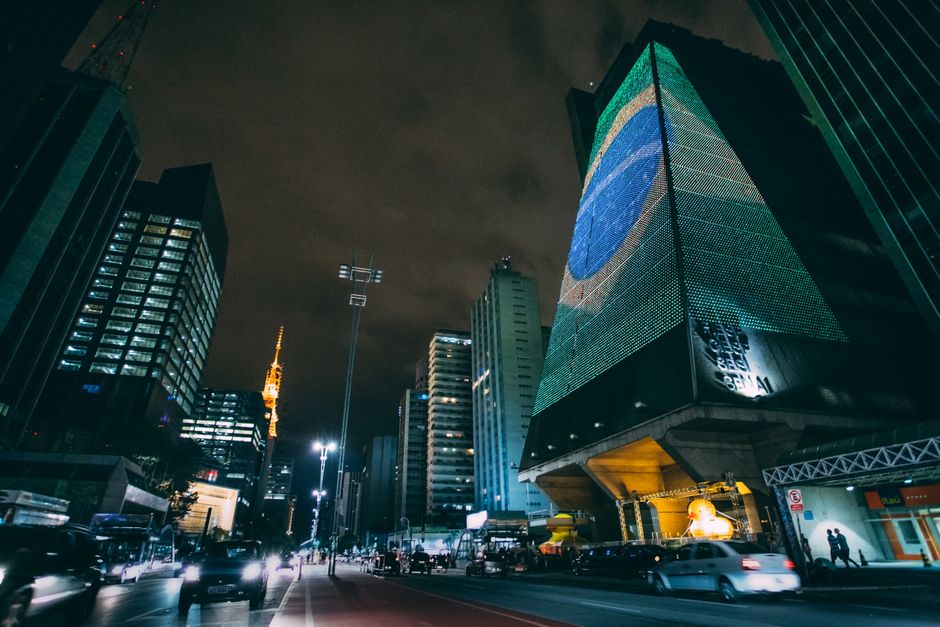
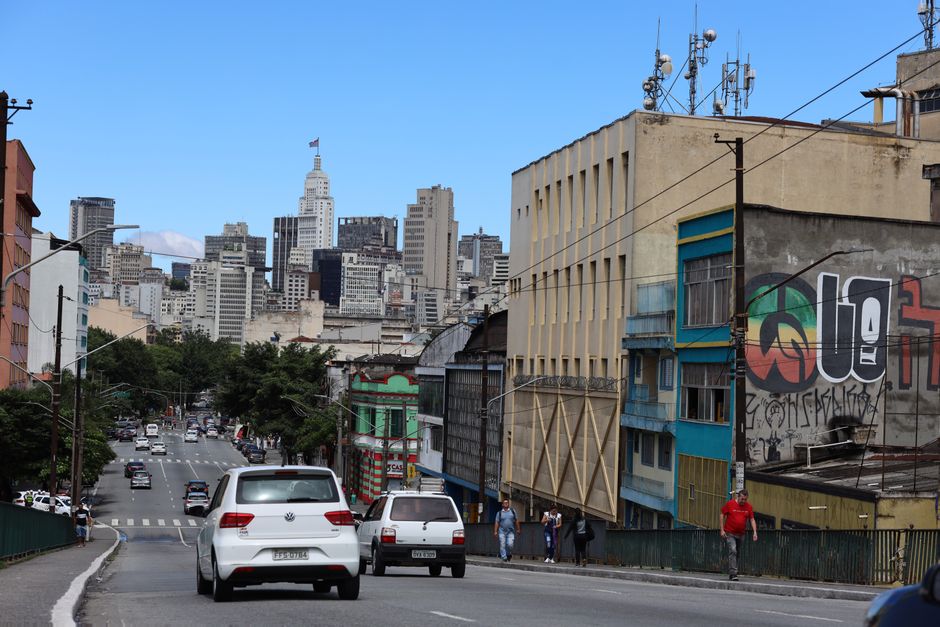
Walk through the Liberdade neighbourhood on a Saturday morning and you'll encounter three languages before reaching Avenida Paulista. The culinary markets, textile shops, and community centres dotting this historic district tell a story that extends far beyond tourism brochures—they represent nearly 150 years of deliberate and organic migration patterns that have fundamentally reshaped São Paulo's identity.
The trajectory began in the 1870s when Brazilian landowners, facing labour shortages after slavery's abolition, actively recruited European and Asian workers. Japanese immigration surged in the 1910s-1950s, with approximately 190,000 Japanese settling primarily in São Paulo state, establishing agricultural colonies in the interior before many moved to the city. This wasn't accidental—it was policy. Federal immigration law actively encouraged certain populations while restricting others, creating the demographic blueprint that persists today.
But the real inflection point came in the 1980s and 1990s. As Brazil's economy liberalised and São Paulo positioned itself as Latin America's financial centre, migration patterns shifted dramatically. Korean communities concentrated around Rua 25 de Março, Lebanese networks expanded into Bom Retiro, and Bolivian labourers entered the textile and construction sectors. By 2015, census data indicated over 1.4 million foreign-born residents in the metropolitan area—roughly 8 per cent of the population.
Recent geopolitical upheaval has accelerated these flows. Venezuelan economic collapse, Syrian conflict, and Afghan instability have sent new waves toward São Paulo's reception centres and NGO networks. Organisations like Caritas Arquidiocesana and the Migration Policy Institute now handle unprecedented caseloads. A recent report from SEADE Foundation documented that Venezuelan migrants alone comprise the fastest-growing foreign population since 2015, with over 85,000 registered in the metropolitan region.
Housing costs in central neighbourhoods like Pari and Brás—historically gateway areas—have risen 34 per cent since 2020, forcing newer arrivals into peripheral zones like Itaquera and Campo Limpo. This geographic dispersal has created new multicultural hubs beyond the traditional immigrant districts, fundamentally altering how the city integrates newcomers.
The current moment represents neither crisis nor triumph, but rather a stress-test of systems established decades ago. Policy-makers, community leaders, and residents are grappling with questions their predecessors deferred: How do you scale integration when arrivals exceed institutional capacity? What does multicultural coexistence look like when economic pressures are acute? These questions won't be resolved by nostalgia for earlier immigration waves, but by understanding how we reached this juncture.
This article was compiled by AI from the sources linked above and screened before publishing. See our editorial standards.