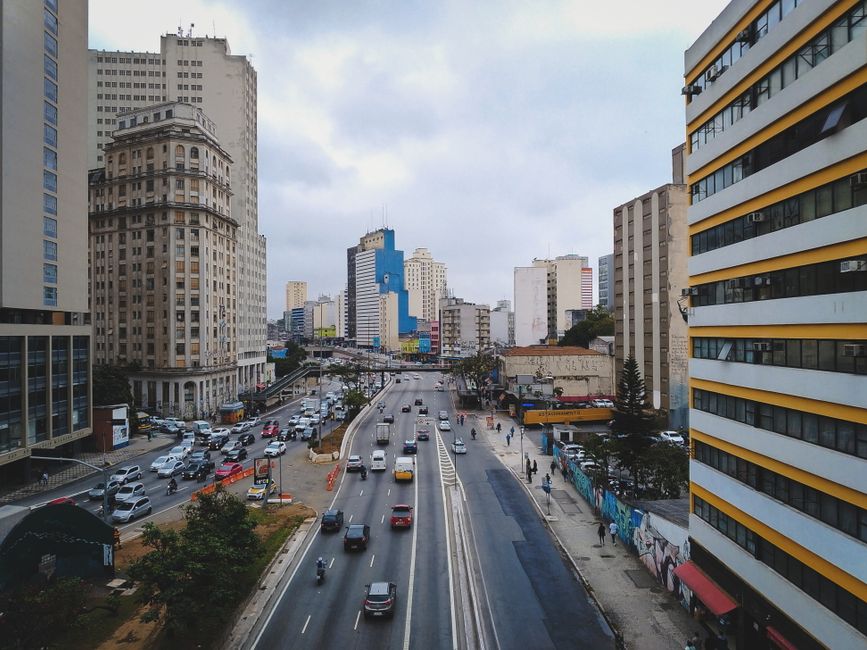
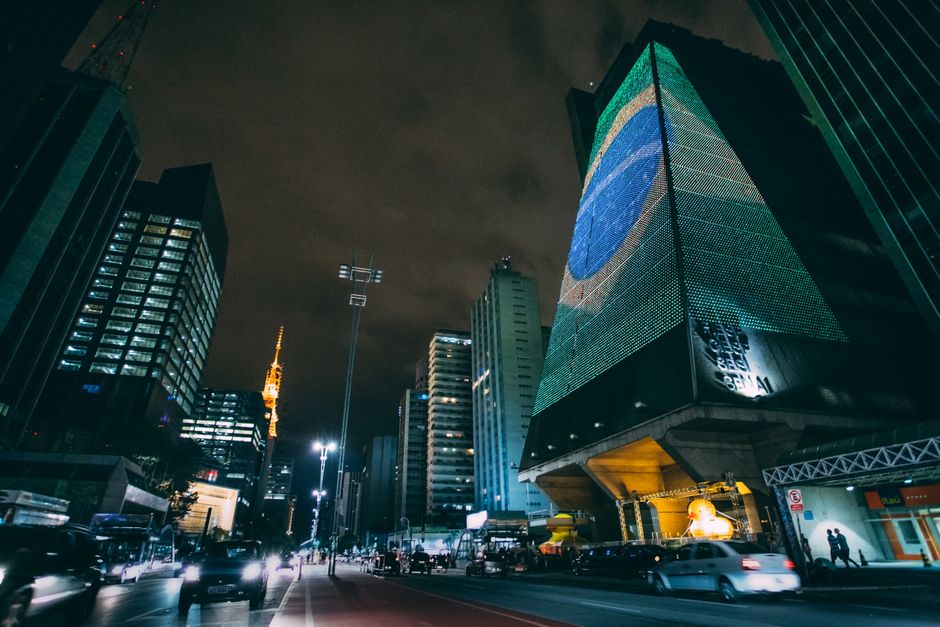
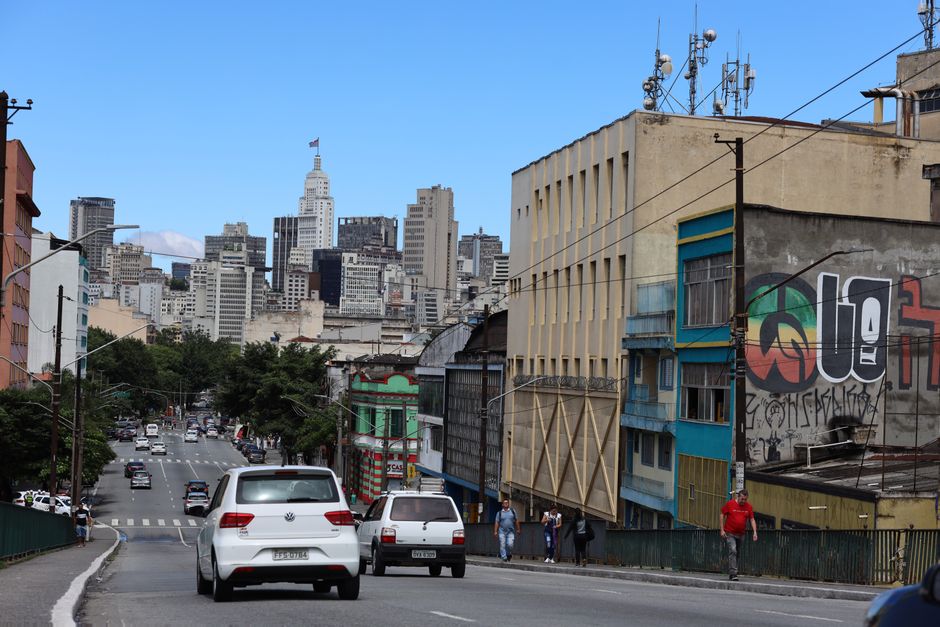
Walk down Rua 25 de Março on any Thursday afternoon and you'll encounter Mandarin haggling with Portuguese, Arabic storefronts beside Korean restaurants, and Hausa traders managing inventory in Portuguese they learned six months ago. This isn't accidental. São Paulo's emergence as Brazil's migration epicentre traces back to structural shifts in the 1990s—and understanding how we arrived here explains the present moment.
The foundation was laid when São Paulo's industrial decline forced the city to reinvent itself as a service and financial hub. As factories shuttered in the ABC region, the city paradoxically became more attractive to international migrants. Between 2000 and 2010, foreign-born residents in São Paulo increased by 42 percent, according to municipal data. By 2023, the city hosted an estimated 1.9 million migrants—nearly 15 percent of the metropolitan population.
Initially, migration followed predictable patterns. Japanese communities had anchored themselves in Liberdade since the 1920s. Koreans established manufacturing networks in Bom Retiro. But from the 1990s onward, São Paulo absorbed waves of Bolivian construction workers, Venezuelan professionals, Senegalese merchants, and Pakistani textile traders. The Bom Retiro neighbourhood transformed entirely: Korean ownership of garment workshops declined while Bolivian and Peruvian families took over, creating the informal economy that now sustains entire blocks around Rua do Gasômetro.
Humanitarian crises accelerated this trajectory. The Venezuelan collapse that began in 2013 sent professionals—engineers, doctors, teachers—toward São Paulo. The Syrian civil war brought Arabic-speaking communities beyond traditional Lebanese networks in the centre. More recently, Haitian and Congolese migrants sought routes through Brazil after restrictive immigration policies tightened elsewhere in the Americas.
The city's infrastructure strained visibly. Shelter organizations like Missão Paz in the Bom Retiro district reported a threefold increase in residents between 2015 and 2022. Housing costs in accessible neighbourhoods—Tatuapé, Brás, Móoca—climbed 35 percent in that same period, according to real estate surveys, pushing newly arrived families into overcrowded peripheral zones.
Yet this wasn't simply demographic drift. It reflected deliberate choices: Brazilian labour laws that tolerated informal employment; a city government that, however imperfectly, maintained social services; and established ethnic networks that provided employment pathways and cultural infrastructure. The Associação Reviver, operating since 1995, became a model that other organizations replicated.
Understanding these layers—economic restructuring, geopolitical crises, institutional infrastructure, community networks—reveals why São Paulo became Brazil's migration destination. It wasn't inevitability. It was accumulated decisions meeting circumstance, creating the multicultural reality we navigate today.
This article was compiled by AI from the sources linked above and screened before publishing. See our editorial standards.