How São Paulo's Sustainability Crisis Led to Today's Green Initiatives
Decades of unchecked urban sprawl and industrial pollution have forced the city to rethink its approach to environmental management.
Decades of unchecked urban sprawl and industrial pollution have forced the city to rethink its approach to environmental management.
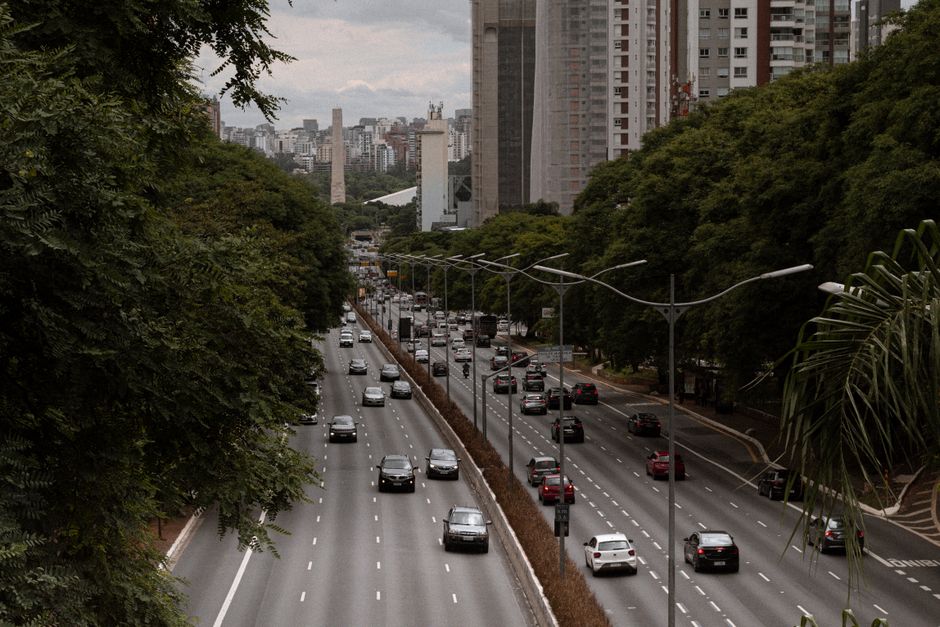
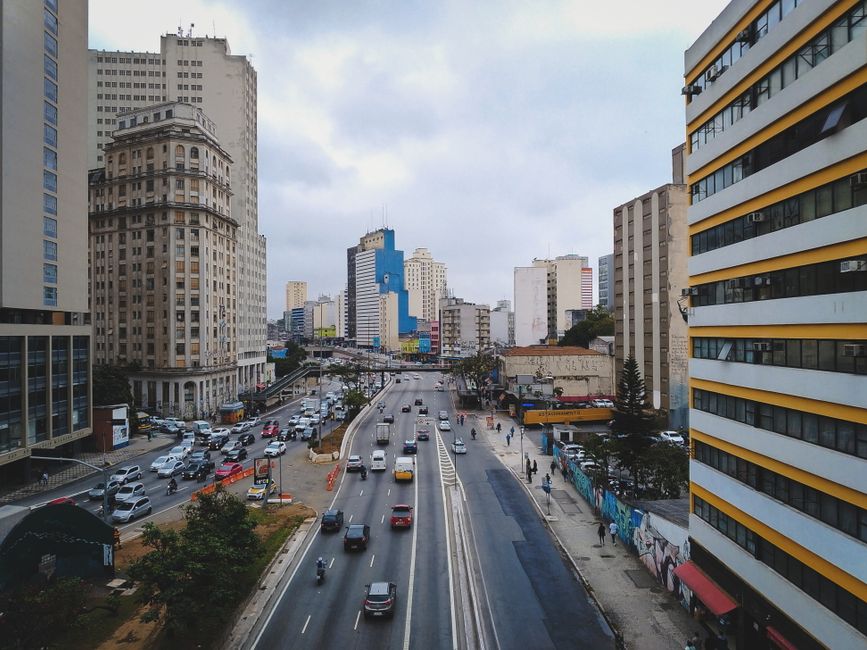
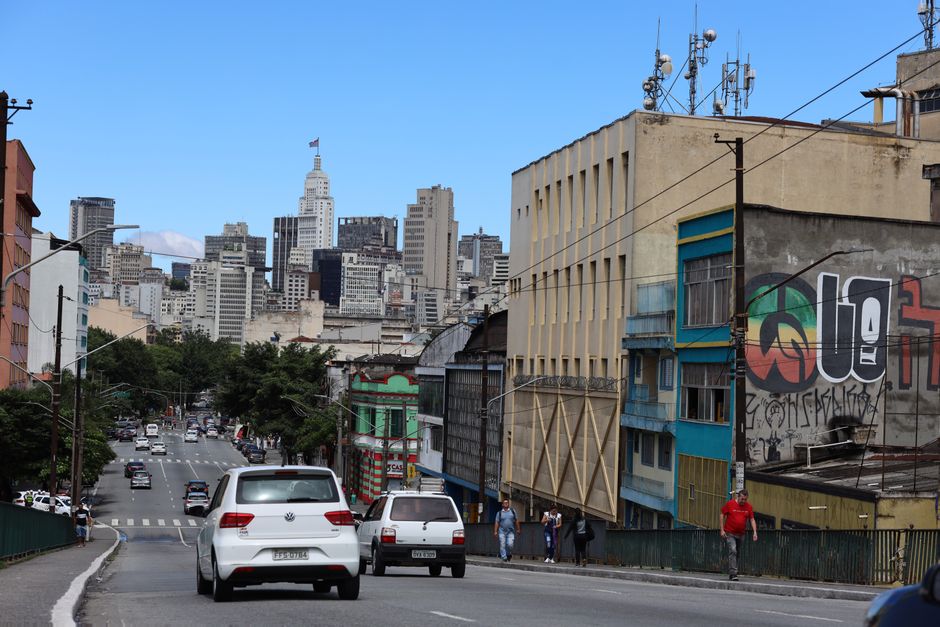
São Paulo's push toward sustainability initiatives today cannot be understood without examining the environmental decay that has shaped the city over the past fifty years. The metropolis of 12 million people faces a stark reality: air quality that routinely ranks among Brazil's worst, waterways choked with industrial waste, and green spaces consumed by relentless development.
The transformation began in earnest during the 1980s and 1990s, when rapid industrialisation along the ABC corridor—Santo André, São Bernardo do Campo, and São Caetano—created what environmental scientists described as a toxic triangle. Vehicle emissions from the city's 8 million registered cars, combined with refinery operations and manufacturing plants, created a pollution crisis that made São Paulo a cautionary tale for rapidly developing cities worldwide.
The Tietê River, which runs through the heart of the city and past the Ponte da Casa Verde, became symbolic of this degradation. Once navigable, it transformed into an open sewer by the 1980s, thick with industrial effluent and sewage from favelas lacking basic sanitation infrastructure in zones like Paraisópolis and Heliopólis. The environmental cost was quantifiable: healthcare expenditures related to respiratory diseases exceeded R$2 billion annually by the early 2000s.
The turning point came gradually. Civil society organisations began mobilising in the late 1990s, particularly after São Paulo experienced severe water rationing in 2001, when the city's reservoirs fell below critical levels. The crisis revealed uncomfortable truths about urban planning—that unchecked growth had outpaced infrastructure investment, and that environmental protection had been treated as an afterthought rather than a prerequisite.
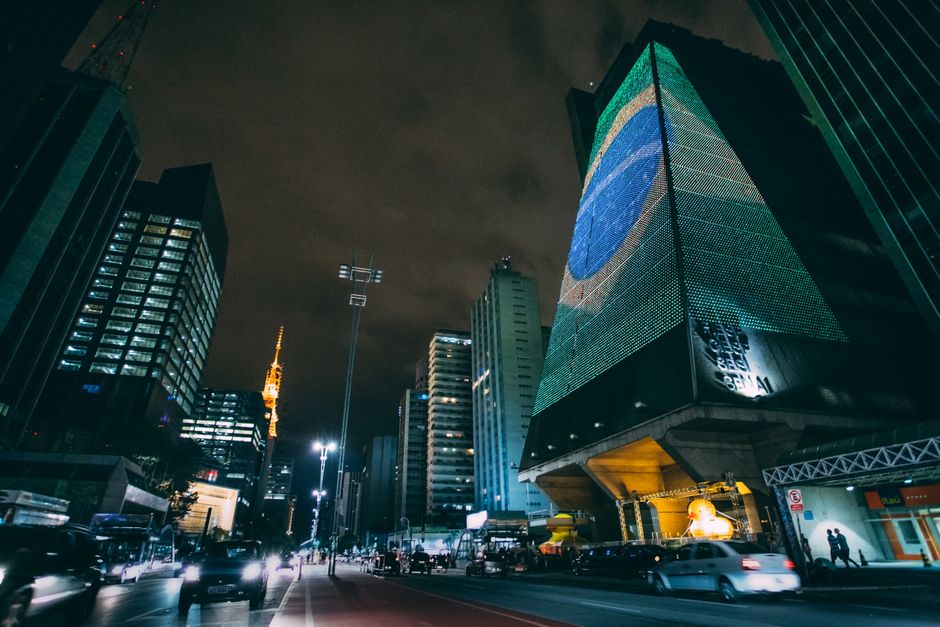
By 2015, new municipal administrations began implementing measurable changes. The expansion of the Metro system, particularly lines serving outer neighbourhoods, offered an alternative to car dependency. Parks like Ibirapuera underwent renovations focused on biodiversity. More recently, discussions about electric buses, green roofs in the financial district of Avenida Paulista, and wetland restoration in the Zona Leste have moved from fringe concerns to mainstream policy debates.
Understanding today's initiatives—whether municipal programmes targeting industrial emissions or neighbourhood-led recycling efforts—requires acknowledging that São Paulo didn't arrive at sustainability thinking through choice. It arrived through necessity, responding to decades of environmental damage that made the costs of inaction impossible to ignore. The city's current trajectory represents not idealism, but pragmatism born from crisis.
This article was compiled by AI from the sources linked above and screened before publishing. See our editorial standards.
How does this story make you feel?
Spread the word
About this article
Published by The Daily São Paulo
Daily brief
Free, in your inbox before 7am. Weekdays.
More in News