São Paulo stands at a pivotal moment in its fight against urban violence. With homicide rates climbing 8% year-over-year in the metropolitan region and gang-related shootings destabilising neighbourhoods from Capão Redondo to the East Zone periphery, police commanders and city administrators are confronting a stark choice: escalate military-style operations or fundamentally reshape prevention strategies.
The tension crystallised this month following a series of confrontations in the Heliopólis complex and surrounding areas, where clashes between rival factions left nine dead. The São Paulo State Public Security Secretariat announced it would deploy additional tactical units to high-risk zones, a move that resonates with communities still processing memories of previous incursions that claimed civilian lives.
"The next six months will define whether we continue reactive policing or invest in what actually reduces violence long-term," said researchers at the Violence Observatory at the Universidade de São Paulo, whose June report documented the widening gap between police responses and community-based violence prevention programmes operating on skeletal budgets.
Key decisions loom before mid-2027. The state government must approve funding for expanded community policing initiatives in neighbourhoods like Vila Prudente and Itaquera, where youth unemployment exceeds 35%. Meanwhile, City Hall faces pressure to increase staffing at the 43 peace centres operating across São Paulo's 32 districts—facilities that broker conflicts before they escalate to bloodshed but currently reach fewer than 12,000 residents annually.
The Secretariat of Public Safety has signalled willingness to pilot a controversial programme pairing intensive policing with mandatory gang intervention counselling in three pilot areas. Critics argue it replicates failed strategies; proponents say Brazil's prison population, already exceeding 800,000 nationally, demands alternatives.
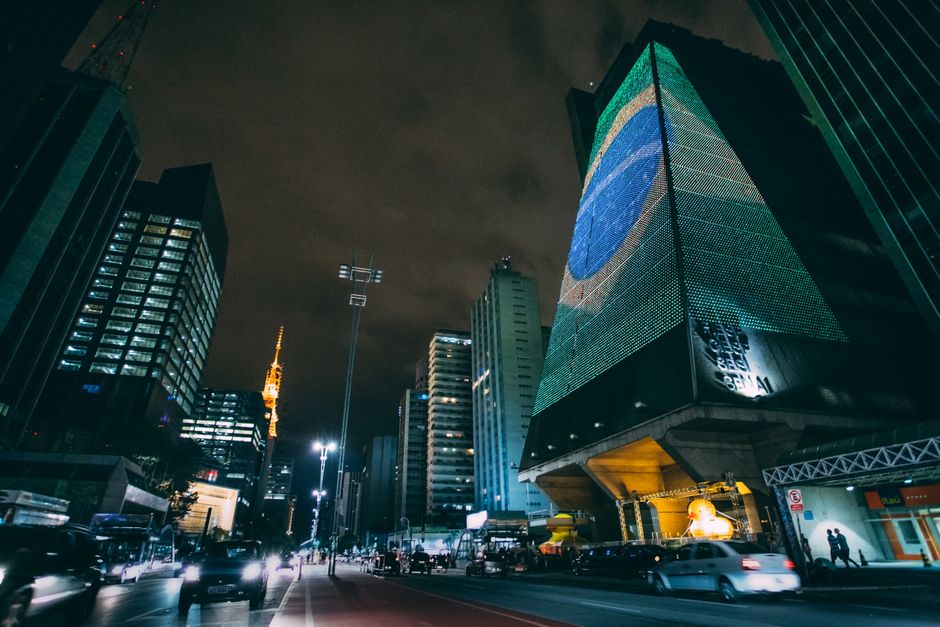
Business leaders are watching closely. The violence affects commerce on Avenida Paulista and Rua 25 de Março, where merchants report heightened insurance costs and customer decline. Chamber of Commerce data shows security expenditure for medium-sized firms has jumped 22% since 2024.
Civil society organisations have scheduled meetings with both state and municipal authorities throughout July to present evidence-based proposals. The Núcleo de Estudos da Violência and several human rights groups are pushing for transparent performance metrics, demanding that any new initiative be measured against homicide reduction targets rather than arrest numbers.
The stakes extend beyond statistics. How São Paulo responds in the coming months will signal whether Brazil's largest city is willing to challenge entrenched approaches to public safety—or whether it will deepen the cycle that has cost thousands of lives.
This article was compiled by AI from the sources linked above and screened before publishing. See our editorial standards.