While Venezuelan refugees huddle in makeshift shelters across Latin America and Pakistani airstrikes displace Afghan families, São Paulo has quietly positioned itself as a comparative success story in urban migration management. But the comparison reveals as much about the city's limitations as its strengths.
The numbers tell a complex story. São Paulo hosts roughly 1.8 million residents born abroad—nearly 13 percent of the metropolitan area's population. That percentage places it below Toronto (26 percent foreign-born) and Frankfurt (37 percent), but significantly above comparable megacities like Mexico City (5 percent) and Jakarta (2 percent). The difference lies not just in scale, but in institutional infrastructure.
The Missão Paz center in the Luz neighbourhood has become ground zero for São Paulo's integration efforts, processing asylum applications and offering Portuguese classes to newcomers. Last year, the organization assisted over 8,000 migrants seeking documentation and employment pathways. Comparable services in Cairo or Istanbul operate at triple the caseload with half the resources, revealing São Paulo's relative advantage in institutional capacity.
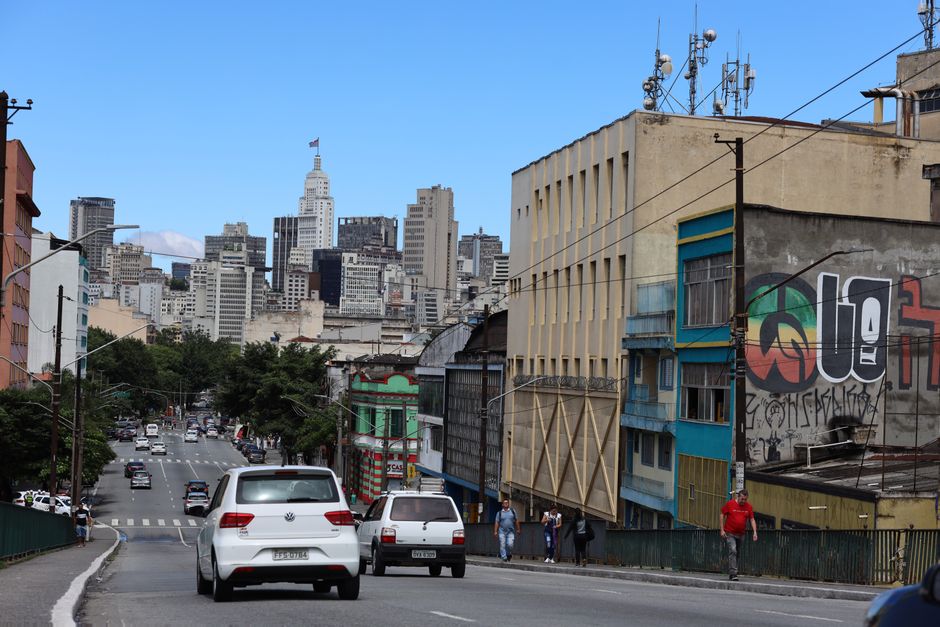
Yet walking through Rua 25 de Março—historically the city's commercial heart and now a de facto migrant hub—reveals the gap between policy and practice. Landlords charge €180-220 monthly for cramped shared rooms, undercutting formal housing markets but creating precarity. Migrants from Haiti, Angola, and Syria negotiate informal employment in textile workshops, many without official work permits despite Brazil's relatively progressive migration law enacted in 2017.
The contrast with European peers is stark. Berlin's official integration programs cost roughly €850 million annually; São Paulo's entire municipal migration budget hovers near €45 million. Yet São Paulo avoids the political backlash seen in Frankfurt, where anti-immigration parties gained ground, or Toronto, where affordable housing crises pit newcomers against established residents.
"São Paulo's advantage is cultural," explains the integration landscape: the city has absorbed waves of migration since the Italian and Japanese influxes of the early 20th century. Communities in Bom Retiro and Tatuapé demonstrate successful second and third-generation integration. This historical context dampens the nativist rhetoric dominating debates in wealthier cities.
But success remains fragile. As geopolitical instability intensifies—Venezuela's earthquake, Pakistan-Afghanistan tensions, Congo's Ebola crisis—São Paulo faces growing pressure. Unlike Toronto or Frankfurt, the city lacks the tax revenue to scale services proportionally. Unlike Mexico City or Jakarta, it cannot rely on informality indefinitely.
The real test comes next, as displacement accelerates globally and resources tighten locally.
This article was compiled by AI from the sources linked above and screened before publishing. See our editorial standards.