São Paulo's sprawling transport network faces a critical inflection point, with senior officials and transit specialists increasingly vocal about the investments and policy shifts needed to prevent gridlock from strangling one of the world's largest cities.
The Secretariat of Mobility, which oversees São Paulo's buses, metros and cycling infrastructure, has signalled aggressive expansion plans for the coming decade. Officials have pointed to the ageing metro system—currently comprising six lines serving approximately 5 million daily passengers—as the immediate bottleneck. The proposed Line 20, stretching from Vila Soco in the east through the Tamanduateí corridor, has become a focal point of municipal strategy, though funding remains contested between city and state authorities.
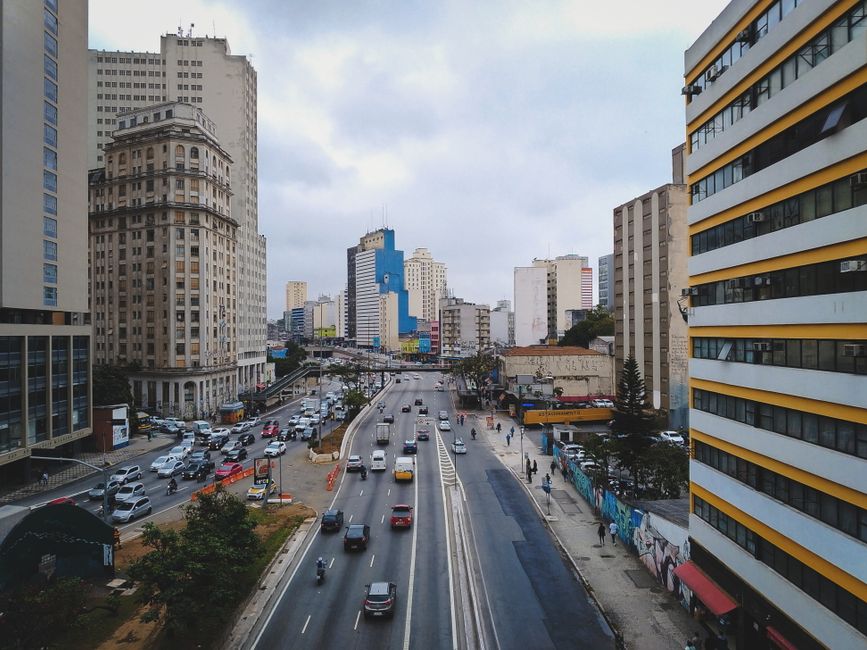
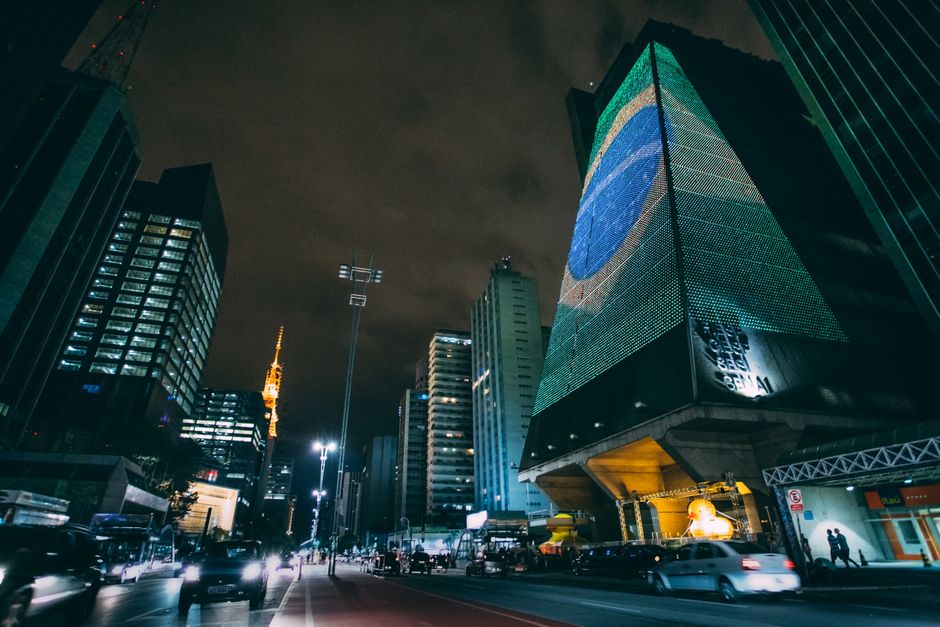
"We cannot rely on vehicles as our primary solution," said representatives from the Institute for Transportation and Development Policy's São Paulo office, emphasizing that the metropolitan region's bus rapid transit network requires substantial modernization. Currently, approximately 70 per cent of public transport users depend on conventional buses navigating congested avenues like Avenida Paulista, Avenida Brasil and Avenida Imigrantes.
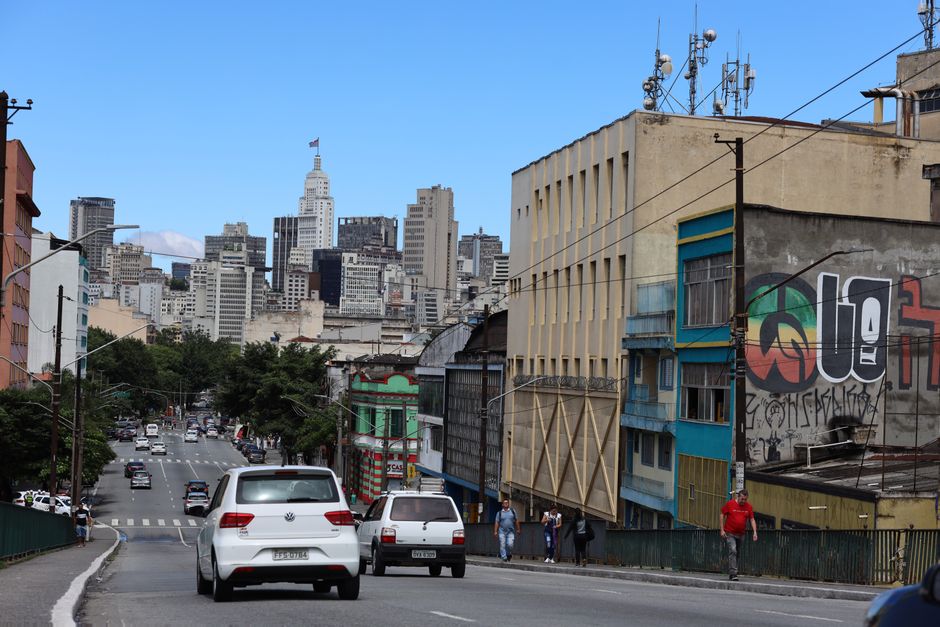
Transit economists and urban planners have grown more vocal about the intersection of infrastructure delays and economic competitiveness. Officials from FIESP, the industrial federation, have highlighted how congestion costs the state economy an estimated R$200 billion annually in lost productivity. The average commute from peripheral zones like Zona Leste to the financial district now exceeds ninety minutes during peak hours.
The cycling infrastructure debate has emerged as another flashpoint. Advocates from organizations like Instituto Mobilidade Verde argue that São Paulo's existing 500 kilometres of bike lanes represent untapped potential for short-distance trips, particularly across neighbourhoods like Vila Mariana, Pinheiros and Santo Amaro. City officials have committed to expanding this network but face budgetary constraints that require difficult prioritization choices.
Experts at USP's Transportation Engineering Institute have presented data suggesting that integrated ticketing systems—linking metros, buses and future light rail networks—could reduce overall journey times by up to 15 per cent. Yet implementation requires coordinating multiple agencies operating under fragmented governance structures.
Infrastructure funding remains the fundamental constraint. Officials acknowledge that recent federal investment reductions have forced municipalities to explore public-private partnerships for projects like the Raia Olímpica light rail extension. Specialists warn that without decisive action over the next 18-24 months, São Paulo risks permanent economic disadvantage relative to competing global cities.
This article was compiled by AI from the sources linked above and screened before publishing. See our editorial standards.