São Paulo's migrant communities navigate new housing crisis as rents surge past R$2,500
This week, advocacy groups reported alarming displacement in traditionally multicultural neighbourhoods, prompting fresh calls for municipal intervention.
This week, advocacy groups reported alarming displacement in traditionally multicultural neighbourhoods, prompting fresh calls for municipal intervention.
São Paulo's already-strained migrant communities are facing a new wave of displacement as rental prices in key neighbourhoods have surged beyond R$2,500 monthly for modest one-bedroom apartments. The crisis came into sharp focus this week when three separate advocacy organisations—including the Centro de Direitos Humanos e Cidadania de Imigrantes (CDHCI) and Aldeia Mundo—issued coordinated warnings about accelerating housing instability across the city's most vulnerable populations.
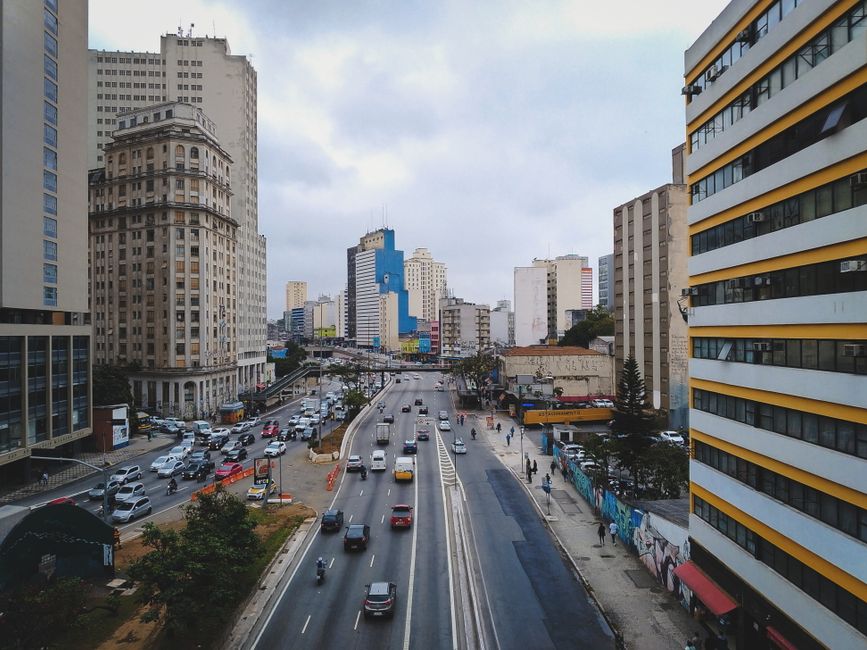
The pressure is most acute in traditionally multicultural areas. In the Bom Retiro district, where Venezuelan, Haitian, and Syrian communities have anchored themselves over the past five years, property developers are rapidly converting older residential buildings into short-term tourist accommodation. Local shopkeepers along Rua 25 de Março reported that at least four longtime tenant families have been evicted in recent months. "The landlords are offering buyouts, but the amounts don't reflect actual relocation costs," said one community organiser working in the area, who requested anonymity.
The Pari neighbourhood, historically home to Korean and Chinese immigrant populations and increasingly a arrival point for African migrants, has seen similar pressures. Data compiled by the Pastoral de Migrantes suggests that housing costs in central São Paulo zones have increased 18 per cent year-on-year, substantially outpacing general inflation. For families arriving from Angola, Guinea-Bissau, and other Portuguese-speaking nations—often with limited initial capital—the gap between available accommodation and affordable options has widened dramatically.
On Monday, the city council's Comissão de Direitos Humanos held an emergency session addressing migrant housing. Councillors acknowledged the shortage of affordable units in accessible neighbourhoods, though concrete solutions remained elusive. The municipal housing authority (COHAB) currently manages fewer than 800 units designated for vulnerable populations across the metropolitan area.
Community organisations have begun distributing updated rental guides and connecting newly-arrived migrants with informal networks in outer zones—Itaquera, Guaianases, and Sapopemba—where rents remain below R$1,500. However, this dispersal strategy risks fragmenting the support networks and employment hubs that have developed in central areas.
Religious institutions, particularly the Missionary Society of Saint Paul and various mosque networks, have intensified food and temporary shelter programmes. Yet advocates stress that band-aid solutions cannot address structural housing shortages. Municipal authorities have promised to review zoning regulations that restrict housing development, though implementation timelines remain unclear.
For São Paulo's estimated 800,000-plus migrant residents, housing security remains the defining challenge to successful integration and economic participation.
This article was compiled by AI from the sources linked above and screened before publishing. See our editorial standards.
How does this story make you feel?
Spread the word
About this article
Published by The Daily São Paulo
Daily brief
Free, in your inbox before 7am. Weekdays.
More in News