How São Paulo Became Brazil's Gateway: Tracing Decades of Migration That Built Modern Diversity
From postwar Italian arrivals to today's Venezuelan and Haitian communities, the city's neighbourhoods tell the story of waves of displacement and hope.
From postwar Italian arrivals to today's Venezuelan and Haitian communities, the city's neighbourhoods tell the story of waves of displacement and hope.
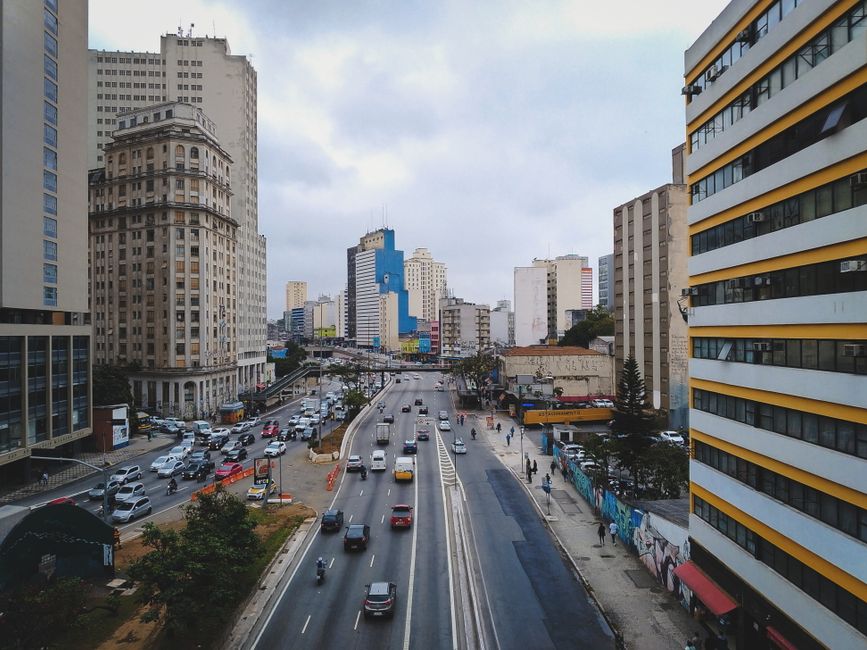
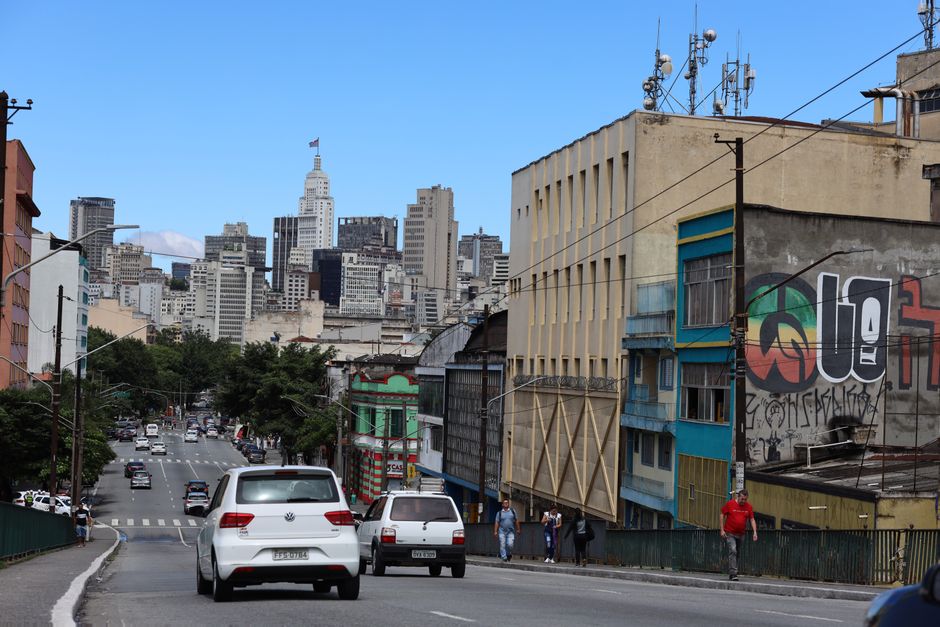
Walk through Bom Retiro on any given morning and you'll hear Mandarin, Korean, and Portuguese layered across the same street corner—a living archive of São Paulo's migration patterns spanning nearly a century. The neighbourhood's transformation reflects a broader reality: Brazil's largest city has become the nation's primary receiving point for displaced populations, shaped by forces far beyond its borders.
The trajectory began in the 1950s, when postwar Italian and Spanish communities rebuilt entire sectors around Rua 25 de Março and the Brás district. These weren't voluntary migrations in the modern sense—they were escapes from economic collapse and political upheaval. By the 1970s, as dictatorships spread across the Southern Cone, Argentine and Chilean political refugees found safe harbour in Vila Madalena and Pinheiros, establishing networks that would later facilitate new arrivals.
The 1990s marked a shift. Japanese and Korean communities, initially centred in Liberdade, expanded as economic crises rippled through Asia. The Centro neighbourhood became a hub for Korean traders; today, the commercial corridor generates an estimated 1.2 billion reais annually in retail activity. Meanwhile, Bolivian and Paraguayan communities grew along the periphery, workers drawn by construction booms in expanding suburbs like Carapicuíba and Osasco.
The past decade has witnessed unprecedented acceleration. Venezuelan arrivals surged from roughly 2,000 in 2015 to over 180,000 by 2024, concentrated in neighbourhoods like Campos Elísios and Belenzinho. Humanitarian organisations estimate 40 percent lack formal work permits. Haitian communities, fleeing earthquakes and gang violence, established themselves in Tatuapé and Artur Alvim, where rent averages 1,800 reais for a small apartment—already stretching survival wages.
What distinguishes São Paulo's current moment is the simultaneity of crises. Unlike previous migration waves driven by singular events, today's arrivals respond to overlapping catastrophes: Venezuelan political collapse, Haitian instability, Pakistani and Afghan conflicts, Congolese disease outbreaks. The city's infrastructure—social services, language programmes, labour integration systems—faces pressure unprecedented in scale.
Yet São Paulo's identity was always forged this way. The city's economic dynamism historically depended on absorbing displaced labour, converting crisis into contribution. Whether that pattern holds in 2026, when arrivals exceed available institutional support, remains the defining question for municipal policymakers and civil society alike. The answer will determine not just São Paulo's future, but Brazil's relationship with its own role as a regional sanctuary.
This article was compiled by AI from the sources linked above and screened before publishing. See our editorial standards.
How does this story make you feel?
Spread the word
About this article
Published by The Daily São Paulo
Daily brief
Free, in your inbox before 7am. Weekdays.
More in News