São Paulo's integrated emergency response infrastructure is bracing for a pivotal moment. With homicides up 12% in peripheral zones like Brasilândia and Capão Redondo over the past eighteen months, and average response times to 190 calls now exceeding eight minutes in some neighborhoods, the Secretaria de Segurança Pública faces mounting pressure to overhaul how the city deploys its police, firefighters, and paramedics.
The core tension centers on three interconnected decisions due before year's end. First, the state government must decide whether to expand the SAMU (Serviço de Atendimento Móvel de Urgência) from its current 40 ambulances serving greater São Paulo to 60—a move that would cost approximately R$45 million annually but potentially reduce cardiac arrest mortality by an estimated 18%, according to internal health department projections.
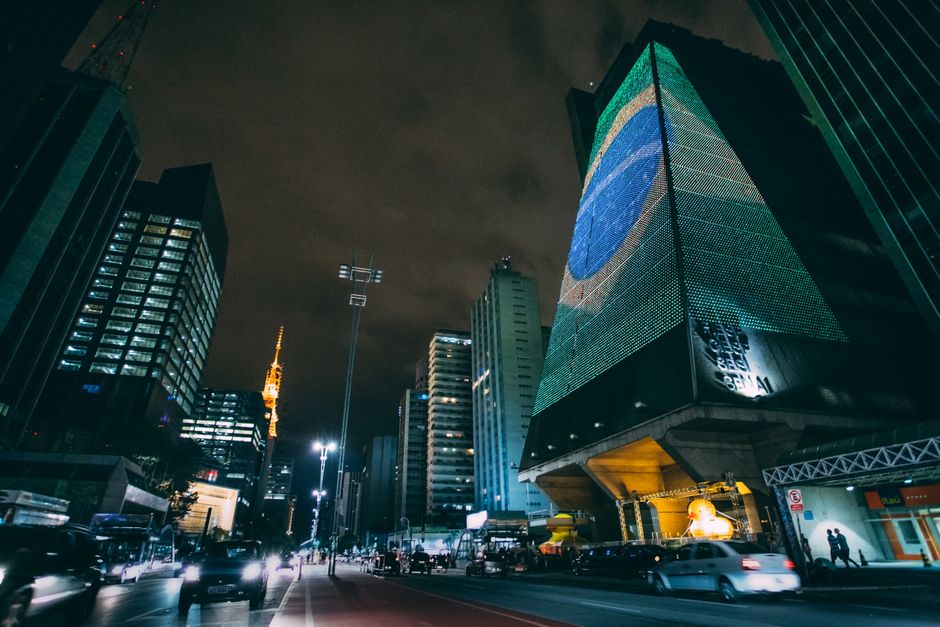
Second, the Military Police must determine whether to maintain traditional patrol patterns concentrated along major arteries like Avenida Paulista and Avenida Brasil, or shift toward community-embedded models in neighborhoods where residents report feeling abandoned. The Guarda Civil Metropolitana, which has grown to 16,000 officers, is simultaneously lobbying for expanded jurisdiction beyond municipal properties into residential districts—a jurisdictional shift that would require state legislative approval.
Third, hospital administrators across the network—from Hospital das Clínicas to the 24-hour emergency unit in the Zona Leste—must agree on a new triage protocol to manage the crush of violence-related trauma cases. Emergency rooms are operating at 94% capacity on average, forcing difficult decisions about patient transfers and surgical scheduling.
What makes these choices particularly fraught is the data paradox. Crime statistics show real danger in outer neighborhoods, yet the highest-profile incidents in recent months—a shooting outside a concert venue near Rua Augusta, a robbery network targeting delivery workers across Pinheiros—have occurred in wealthier districts. This geographic complexity means any resource reallocation risks accusations of neglecting either affluent areas or the historically underserved periphery.
The timeline is compressed. City council members signal they want a comprehensive safety plan presented by October, ahead of the 2027 budget cycle. Meanwhile, community leaders in neighborhoods like Grajaú and Parelheiros are demanding seat at decision-making tables, having watched previous top-down reforms fail to stick.
The decisions ahead will likely determine whether São Paulo continues reactive crisis management or transitions toward preventive infrastructure—a shift that demands not just money but genuine coordination across agencies that historically guard their turf jealously.
This article was compiled by AI from the sources linked above and screened before publishing. See our editorial standards.