The corridors of the Universidade de São Paulo's campus in the Butantã neighbourhood have grown quieter this semester. Lab equipment sits idle. Library hours have been slashed. And for the first time in decades, the institution is considering student fees for previously free programmes—a development sending shockwaves through working-class families across the São Paulo metropolitan area who have relied on public universities as a pathway out of poverty.
The crisis stems from a 23 percent reduction in federal education funding over the past eighteen months, leaving institutions like USP, UNICAMP, and UNESP scrambling to cover operational costs. For São Paulo's residents, the implications are stark. An estimated 67 percent of students at the city's three public universities come from families earning less than three minimum wages monthly—roughly R$6,000. A shift toward user-paid models would effectively lock out entire communities in neighbourhoods like Perus, Brasilândia, and the eastern zones, where public university access has traditionally represented genuine social mobility.
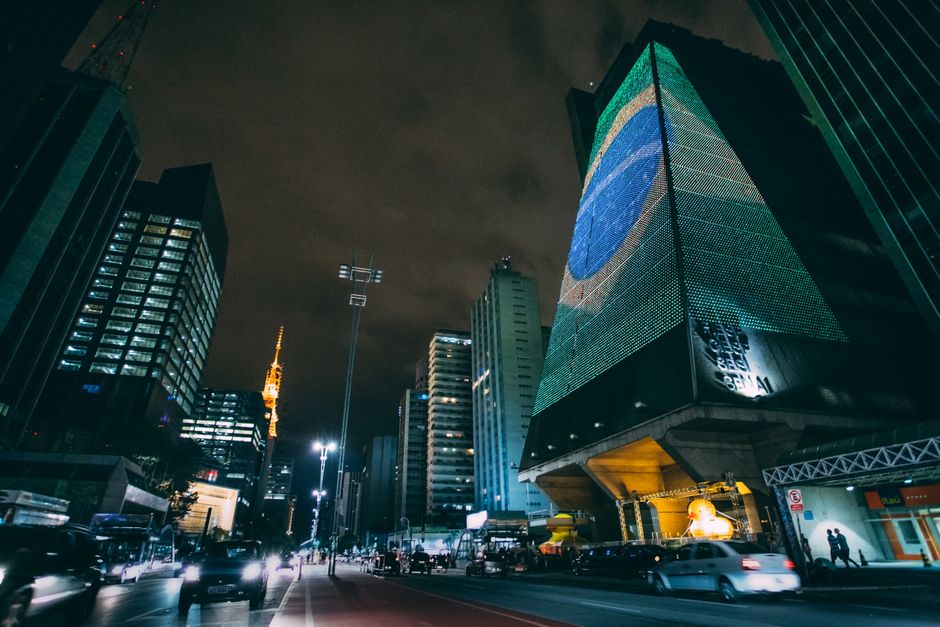
"My daughter was the first in our family to get into USP," says a mother from Itaquera, speaking on condition of anonymity. "Now they're talking about fees. We cannot afford this." Her concern is shared across the city. Student movements have mobilised demonstrations at Avenida Paulista and outside the Legislative Assembly, with organisers warning that education inequality will deepen unless funding is restored.
The ripple effects extend beyond individual families. São Paulo's economy depends on research innovation and skilled professionals trained at these institutions. The public universities generate approximately R$8 billion annually in research output—from agricultural technology to medical breakthroughs—much of it conducted by students who could not access private alternatives.
Local government officials in São Paulo have begun discussions about supplementary funding mechanisms, though resources remain constrained. Meanwhile, civil society organisations operating in the poorer districts are preparing support networks, recognising that some students may be forced to abandon their studies entirely.
The situation underscores a fundamental question for São Paulo as a global city: if access to quality education becomes a luxury rather than a public right, who builds the city's future? For residents already navigating inequality, the answer feels increasingly uncertain.
This article was compiled by AI from the sources linked above and screened before publishing. See our editorial standards.