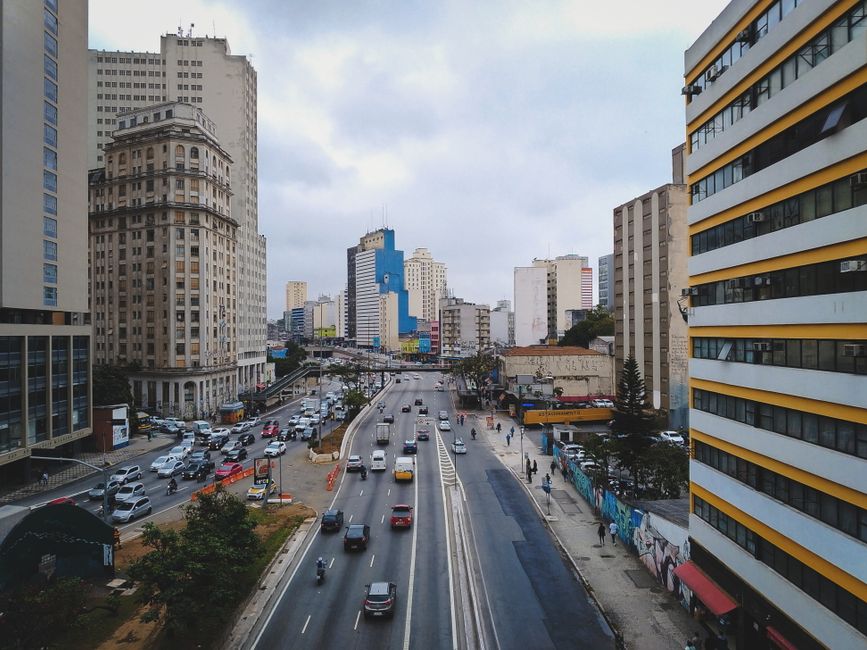
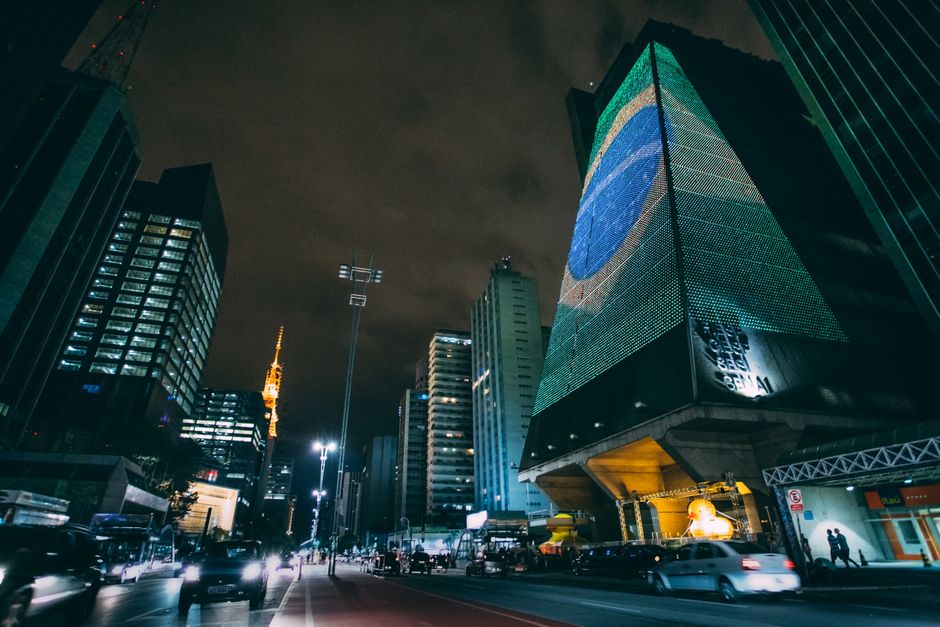
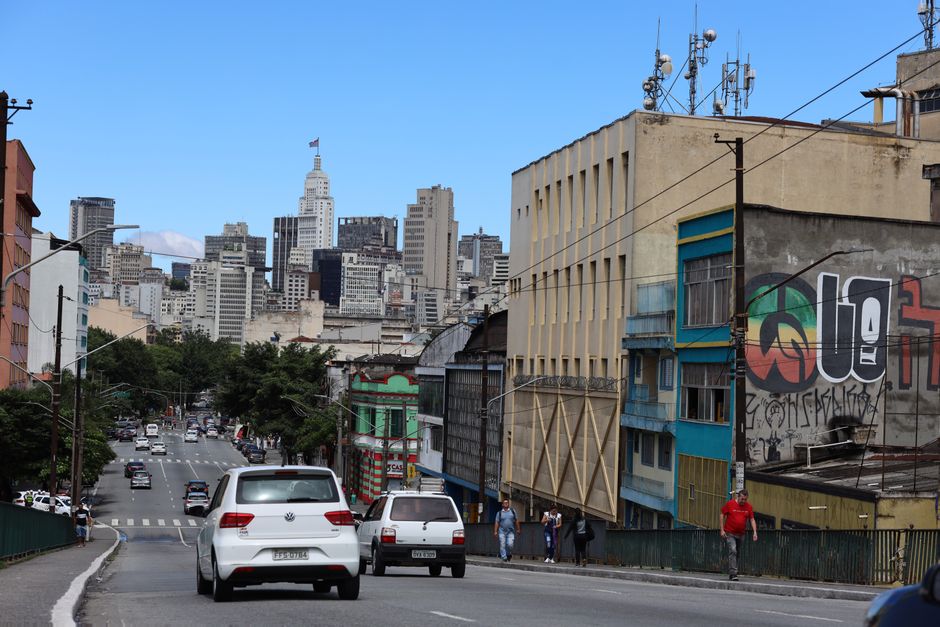
São Paulo's environmental agenda is crystallizing around a critical question: can Latin America's largest city transform itself within four years? Municipal officials, university researchers, and sustainability advocates gathered this month to assess progress toward 2030 climate targets, revealing both optimism and urgent concerns about the sprawling metropolis of 12 million residents.
The discussion centered on three priority areas where implementation remains uneven. Air quality improvements in neighbourhoods like Pinheiros and Vila Mariana have stalled despite investments in public transit, according to technical assessments from the University of São Paulo's Institute of Energy and Environment. Particulate matter levels in June averaged 38 micrograms per cubic metre—above the WHO's recommended threshold of 15—prompting calls for accelerated enforcement of industrial emissions standards in the industrial corridor near Guarulhos.
Water security emerged as the most pressing concern. Officials from the State Sanitation Company acknowledged that recycled water usage remains below 8 per cent of total consumption, far short of the 25 per cent target set for 2030. Representatives emphasized that residents in peripheral zones like Grajaú and Parelheiros—where access to treated water remains inconsistent—would be priority areas for investment. The company announced plans to expand recycled water distribution networks serving commercial buildings in the Berrini financial district by 2027.
Green infrastructure expansion generated more positive commentary. The expansion of São Paulo's parks system, including recent developments in the Pinheiros riverfront restoration project, drew praise from civil society organizations monitoring urban ecology. Environmental groups highlighted the 42-hectare intervention as a model for reconnecting communities with natural spaces while improving flood management in one of the city's most vulnerable watersheds.
Waste management remains contested terrain. Municipal administrators pointed to increased recycling rates—up to 12 per cent from 9 per cent in 2020—but academic experts countered that progress masks structural problems. The Clandestina landfill in Itapecerica da Serra, which receives roughly 50,000 tonnes monthly from the city, requires modernization to prevent further groundwater contamination, researchers argued.
Perhaps most significantly, several speakers emphasized the equity dimensions of environmental action. Sustainability cannot be divorced from social inclusion, they insisted, noting that lower-income neighbourhoods experience disproportionate exposure to pollution and flooding. This framing suggests that São Paulo's environmental future depends not only on technical solutions but on distributing both benefits and burdens fairly across this sprawling, deeply unequal city.
This article was compiled by AI from the sources linked above and screened before publishing. See our editorial standards.