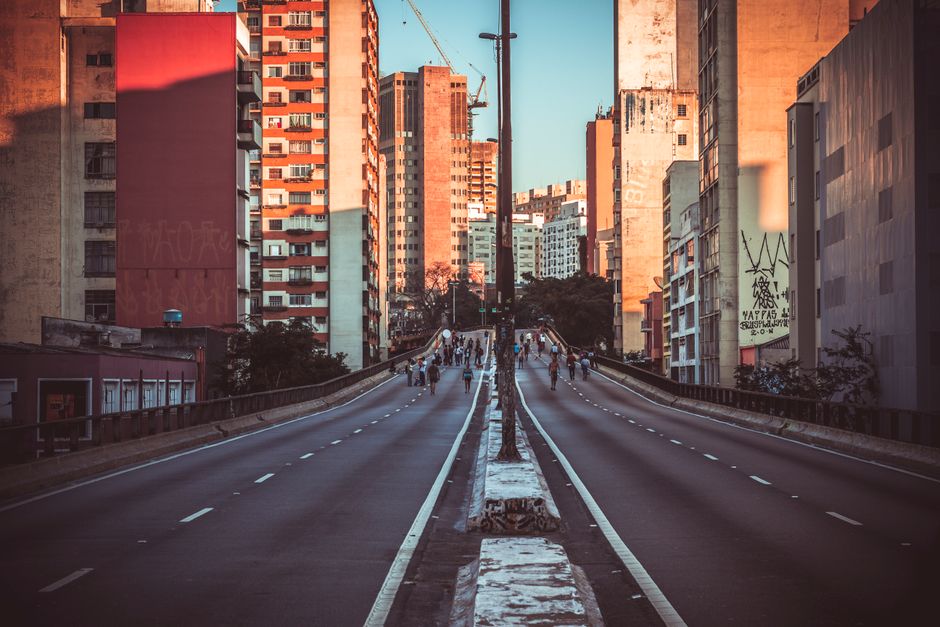
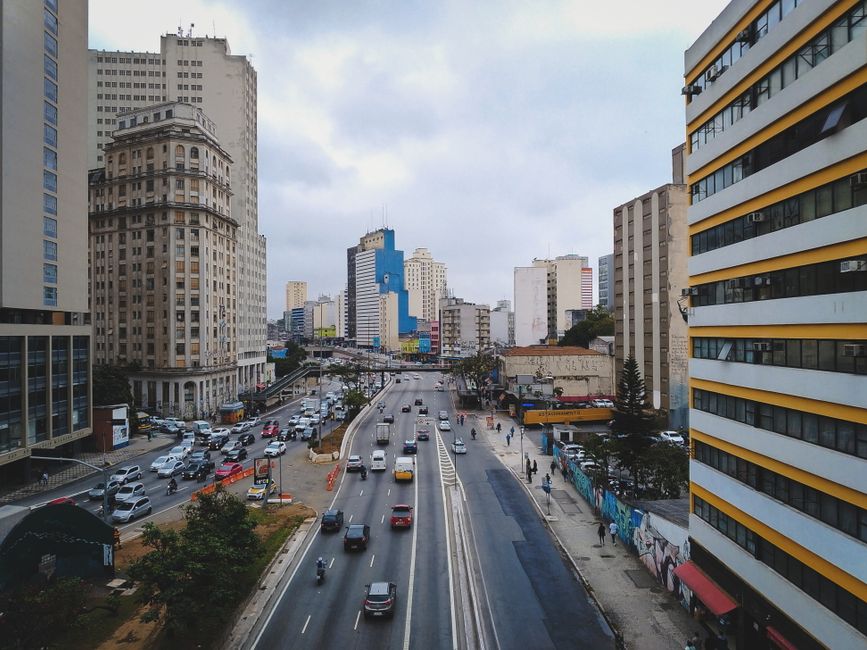
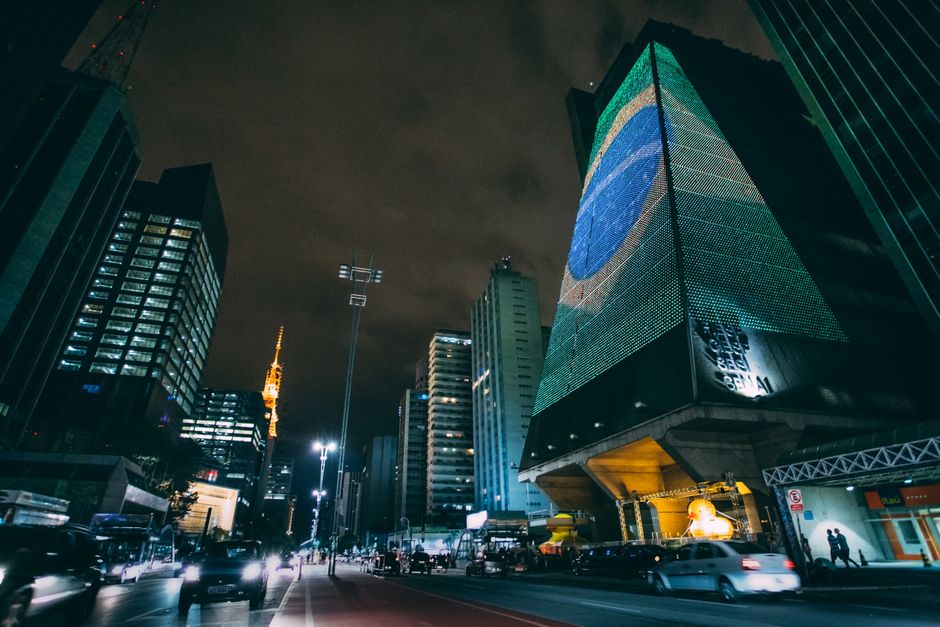
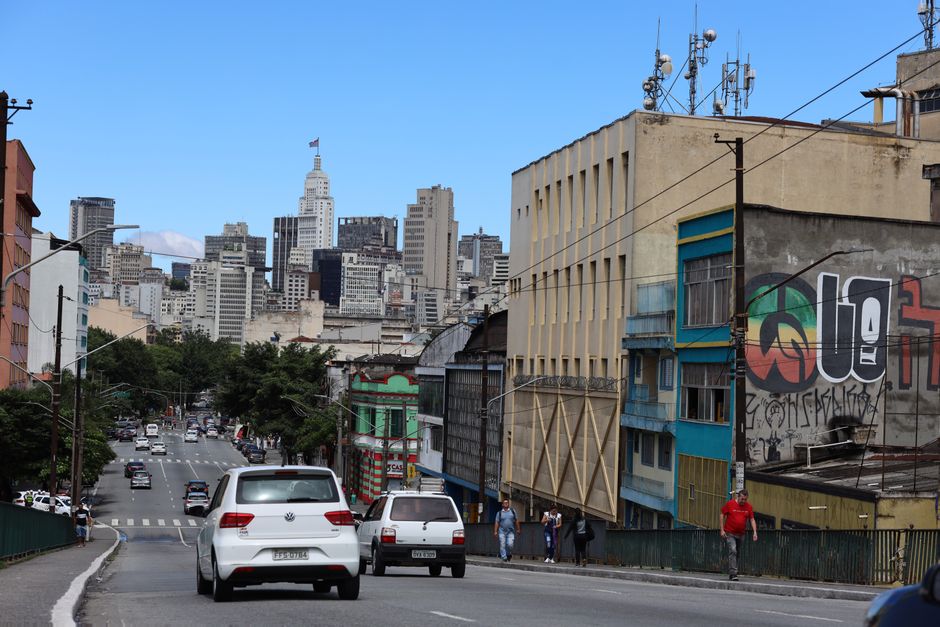
Walk through the Zona Leste on any given morning, and you'll see São Paulo's housing reality in stark relief: families crammed into 30-square-metre rooms in Vila Prudente, informal settlements spreading across the slopes above the Pinheiros River, and rental prices in Pinheiros that have tripled in the past decade alone. The crisis didn't arrive overnight. It is the product of forty years of deliberate choices, missed opportunities, and structural indifference.
The rot began in the 1980s, when São Paulo's municipal government effectively abandoned low-income housing development. As the city's economy shifted toward services and finance, real estate became a speculative asset rather than a social necessity. Developers found it far more profitable to build luxury condominiums in Vila Mariana and Itaim Bibi than modest apartments for working families. By 1990, the city's housing deficit had reached 600,000 units. Today, despite decades of rhetoric about reform, that figure hovers near 1.2 million.
The 1990s brought tokenistic responses: small CDHU projects in the periphery, favela pacification programs that relocated rather than resolved. But these initiatives never addressed the fundamental problem—that São Paulo had essentially surrendered affordable housing provision to the market. A one-bedroom apartment in Tatuapé costs roughly R$2,500 monthly; median household income in adjacent neighbourhoods sits at R$1,800. The mathematics are brutal.
Gentrification accelerated this decade. Neighbourhoods like Vila Madalena and Consolação saw rents climb 40 per cent between 2015 and 2020, displacing long-resident families to Itaquaquecetuba and beyond. The Prefeitura's own data from 2024 showed that 2.1 million Paulistas live in precarious housing—favelas, cortiços, or informal rentals. Yet municipal zoning laws remain restrictive, protecting low-density residential areas while concentrating density allowances in commercial zones controlled by large developers.
Recent attempts at reform—including the new Operação Urbana proposals and expanded ZEIS (Zonas Especiais de Interesse Social) designations—represent genuine shifts. But they arrive after decades of institutional failure. The machinery of change moves slowly. A development permit for affordable housing on Avenida Paulista still requires navigating bureaucratic thickets designed for luxury projects.
São Paulo's housing crisis is not mysterious. It reflects priorities made visible through budgets and zoning maps. Understanding how we arrived here is essential before asking whether—or how—we can escape it.
This article was compiled by AI from the sources linked above and screened before publishing. See our editorial standards.