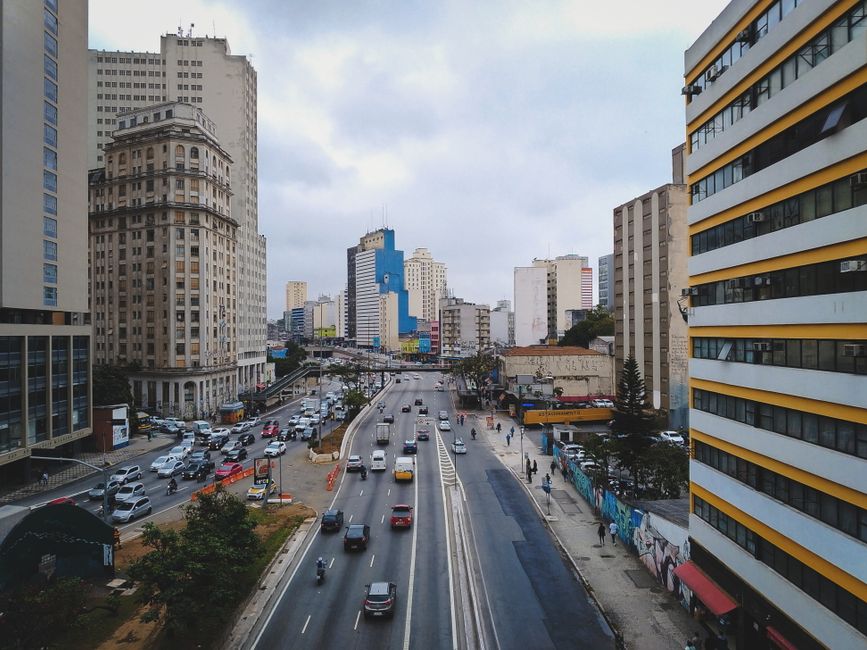
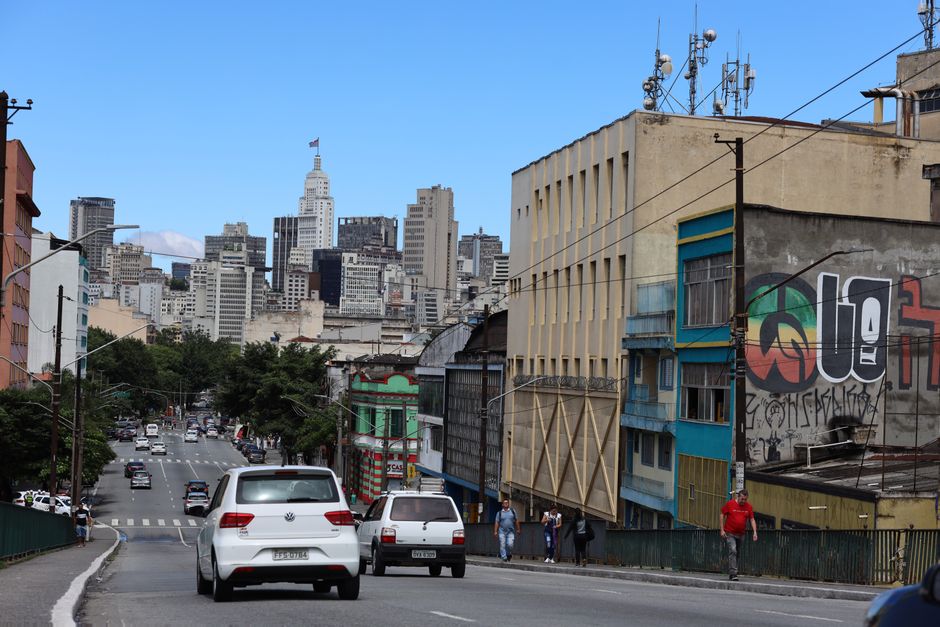
São Paulo stands at a crossroads. After years of incremental policy adjustments, municipal authorities must now make binding decisions on housing density, land use, and infrastructure investment that will determine whether the city's poorest residents remain trapped in periphery favelas or gain access to central neighbourhoods.
The stakes are stark. Current data suggests approximately 1.2 million people live in informal settlements across the metropolitan area, while median apartment prices in Zona Oeste neighbourhoods like Tatuapé have risen 34 percent since 2023. Meanwhile, the city's Housing Secretariat faces mounting pressure to convert abandoned commercial properties—particularly along Avenida Paulista and within the deteriorating office corridors of Centro—into residential units before the 2027 fiscal deadline for tax incentives expires.
Three critical decisions loom. First, the Prefeitura must finalise zoning amendments for the Lapa-Bom Retiro corridor, where the combination of vacant warehouses and Metro access presents rare opportunity for mid-density housing. Second, it must establish binding commitments on inclusionary zoning percentages for new developments—currently set at 15 percent, but activists and housing NGOs argue this is insufficient. Third, infrastructure spending must precede rather than follow development, a departure from historical practice.
The Cracolândia revitalisation project in Centro offers an instructive precedent. While praised for harm-reduction services and public space activation, the resulting gentrification has displaced long-term residents rather than accommodating them. Housing advocates warn that similar patterns could repeat in Mooca and Belenzinho unless deliberate counter-measures are embedded into planning frameworks.
City planners working within the Secretaria Municipal de Urbanismo acknowledge the tension privately. Investment in transit-adjacent neighbourhoods makes economic sense, yet without mandatory affordable quotas and tenant protections, market forces alone will not serve families earning under three minimum wages. Recent proposals from the Coletivo de Moradia, a grassroots housing coalition, suggest mandatory 25-year affordability periods and community land trusts—models successfully deployed in other Latin American cities.
The window for action is narrow. São Paulo's next comprehensive zoning update is scheduled for adoption in Q1 2027. Whether it reflects purely market-driven intensification or incorporates social equity measures will depend on decisions being finalised across City Hall over the next six months. The outcome will ripple far beyond São Paulo's borders, potentially establishing a template—or cautionary tale—for how megacities manage housing during periods of rapid change.
This article was compiled by AI from the sources linked above and screened before publishing. See our editorial standards.