São Paulo's Favela Residents Push Back Against Sustainability Plans That Leave Them Behind
Community leaders in Vila Madalena and Paraisópolis say green initiatives ignore the voices of those most affected by pollution and neglect.
Community leaders in Vila Madalena and Paraisópolis say green initiatives ignore the voices of those most affected by pollution and neglect.
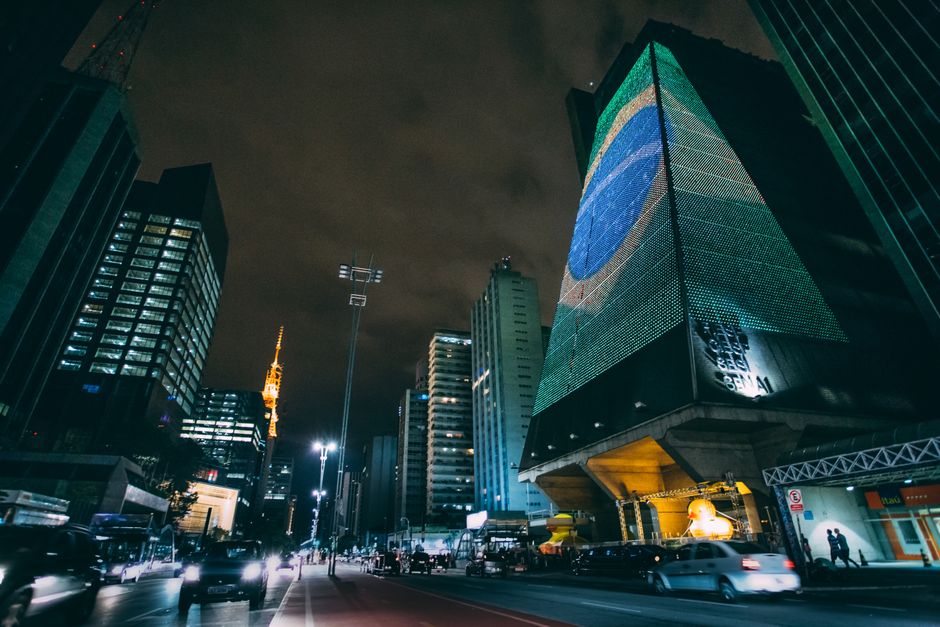
While São Paulo's municipal government celebrates its commitment to reducing carbon emissions by 40 percent by 2030, residents of the city's most vulnerable neighbourhoods are questioning who truly benefits from these ambitious sustainability targets.
In Paraisópolis, Brazil's second-largest favela, environmental degradation has long been a daily reality. The neighbourhood of 100,000 people sits near the Billings Reservoir, where water quality tests conducted by local NGO Instituto Socioambiental revealed heavy metal contamination in 2024. Yet when the city announced its green infrastructure project along the Pinheiros River corridor last year, affecting communities from Vila Mariana to Pinheiros district, residents were presented with completed plans rather than invited to shape them.
"They talk about sustainability as if it's something happening to us, not with us," says Seu João, a waste collector who has worked the streets of Bom Retiro for thirty years. Informal waste workers—estimated at over 20,000 across São Paulo—remain absent from the city's circular economy initiatives, despite handling roughly 30 percent of the city's recyclable materials. A kilo of recycled cardboard fetches R$0.40 to R$0.60, insufficient to sustain families while corporate sustainability programs claim credit for waste diversion.
At the community centre in Vila Madalena, organized groups have begun documenting their own environmental concerns. Air quality in the neighbourhood averages 89 micrograms of PM2.5 per cubic metre during winter months—well above WHO guidelines—yet tree-planting campaigns focus on wealthier districts like Mooca and Vila Nova Conceição. "We need shade, we need clean air, we need jobs," says Maria, a community organizer who requested anonymity due to tensions with local authorities.
The disconnect extends to public transportation. While the city touts its expansion of the metro system and bus rapid transit corridors, residents of peripheral zones like Campo Limpo and Grajaú spend up to two hours daily commuting. The current metro fare of R$4.40 represents 3-5 percent of daily earnings for minimum-wage workers, making the shift to sustainable transport a luxury rather than a choice.
Grassroots organizations including SABIÁ and the Paraisópolis Cooperative have begun presenting their own sustainability blueprints to city officials, demanding representation in decision-making bodies and equitable distribution of green jobs. As São Paulo positions itself as a global sustainability leader, these community voices remind the city that true environmental progress must reach those breathing the most polluted air.
This article was compiled by AI from the sources linked above and screened before publishing. See our editorial standards.
How does this story make you feel?
Spread the word
About this article
Published by The Daily São Paulo
Daily brief
Free, in your inbox before 7am. Weekdays.
More in News