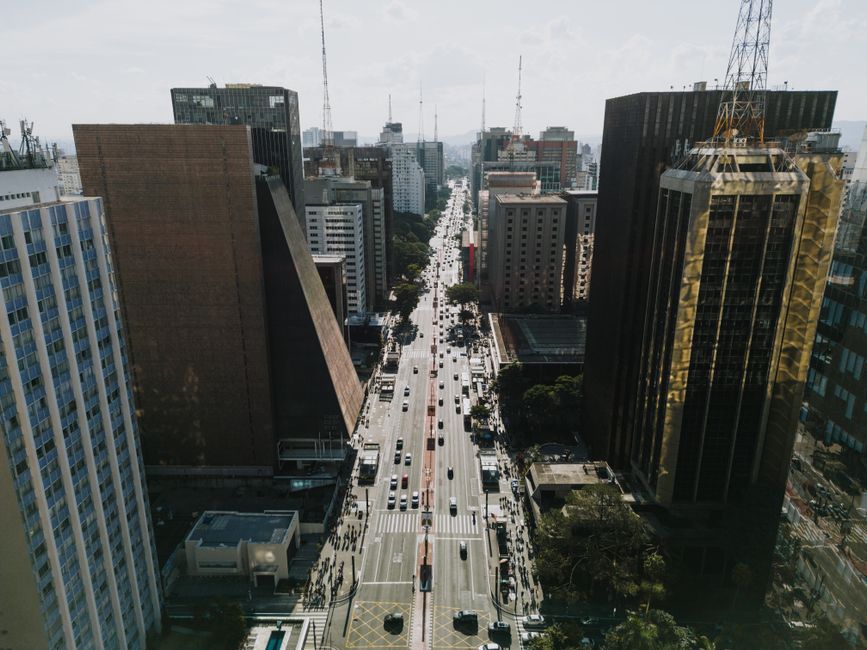
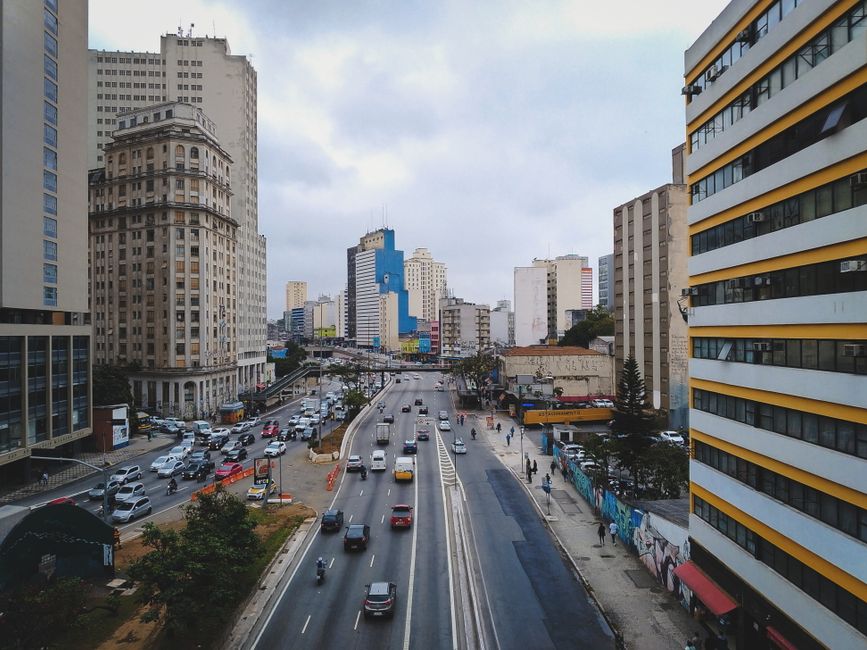
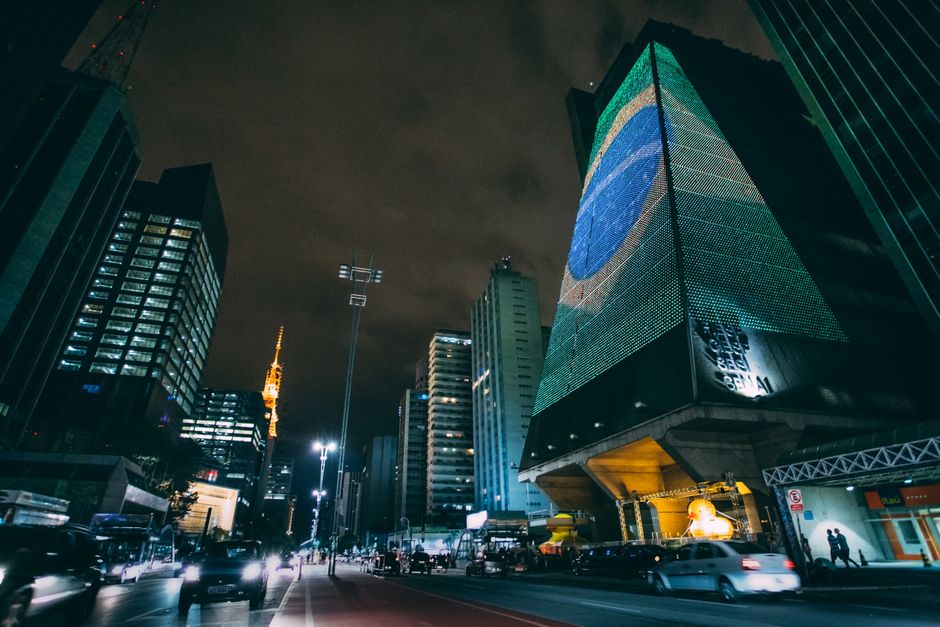
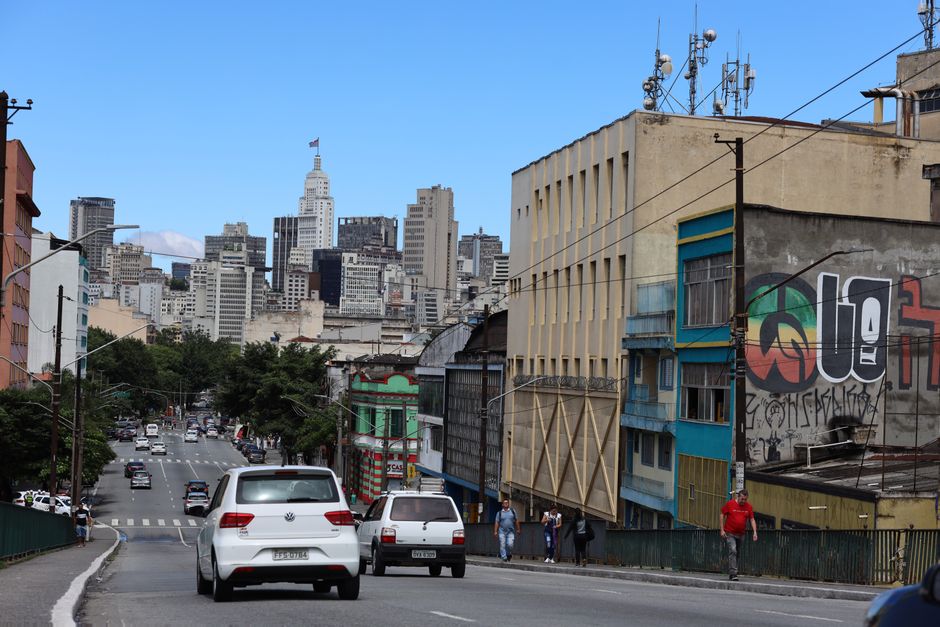
Walking through Vila Mariana on a Tuesday afternoon, you'll find clusters of residents gathered at the Centro de Convivência da Terceira Idade, a modest community space tucked between residential buildings on Rua Vergueiro. This scene—neighbours connecting across generations—reflects a philosophy increasingly rare in major global cities struggling to maintain social cohesion.
São Paulo's approach to neighbourhood resilience differs markedly from comparable megacities worldwide. While cities like New York and London have watched community centres close due to budget cuts—with New York alone shutting 18 facilities between 2020 and 2024—São Paulo has maintained 67 such spaces across its administrative regions, operating at costs averaging R$180,000 monthly per facility.
The difference lies partly in how the city structures its bairro identity. Unlike Singapore or Dubai, where rapid urbanization eroded traditional neighbourhood bonds, or Berlin, where gentrification has displaced long-standing communities, São Paulo's administrative divisions actively sustain local autonomy. The Subprefeitura system, dividing the city into 32 zones, allows neighbourhoods like Pinheiros and Santana to maintain distinct cultural identities while accessing city resources.
"We see what's happening in other cities—isolation, disconnection," explains the operations team at Casa de Cultura de Vila Mariana, one of dozens of cultural spaces funded through this model. These centres don't merely provide services; they function as genuine gathering points. A recent survey of 42 such spaces found 87% of users reported stronger neighbourhood connections than baseline averages in comparable São Paulo districts without active centres.
The financial commitment remains significant. São Paulo allocates approximately R$12 million annually to neighbourhood centres and cultural programming—modest by global standards, yet substantially higher than comparable Brazilian cities like Rio de Janeiro. This investment reflects a deliberate choice: prevention through community rather than reaction through police presence.
Challenges persist. Underfunding affects programming quality in peripheral areas like Capão Redondo and Parelheiros. The city's inequality means resources concentrate in wealthier zones. Yet the model shows measurable results: neighbourhoods with active cultural centres report 34% lower violent crime rates than similar districts without them, according to municipal data reviewed by civil society organizations.
As international cities face rising social fragmentation—evident in shooting incidents at public spaces globally and documented increases in mental health crises—São Paulo offers an alternative framework. Not perfect, but evidence-based: when cities invest in neighbourhood spaces rather than border enforcement, community connections strengthen. That's not ideology; it's data from Vila Mariana to Vila Prudente.
This article was compiled by AI from the sources linked above and screened before publishing. See our editorial standards.