How São Paulo's Emergency Response System Became Overwhelmed: Tracing a Decade of Strain
Budget cuts, staffing shortages, and rising violence have created a perfect storm in the city's police and fire services.
Budget cuts, staffing shortages, and rising violence have created a perfect storm in the city's police and fire services.
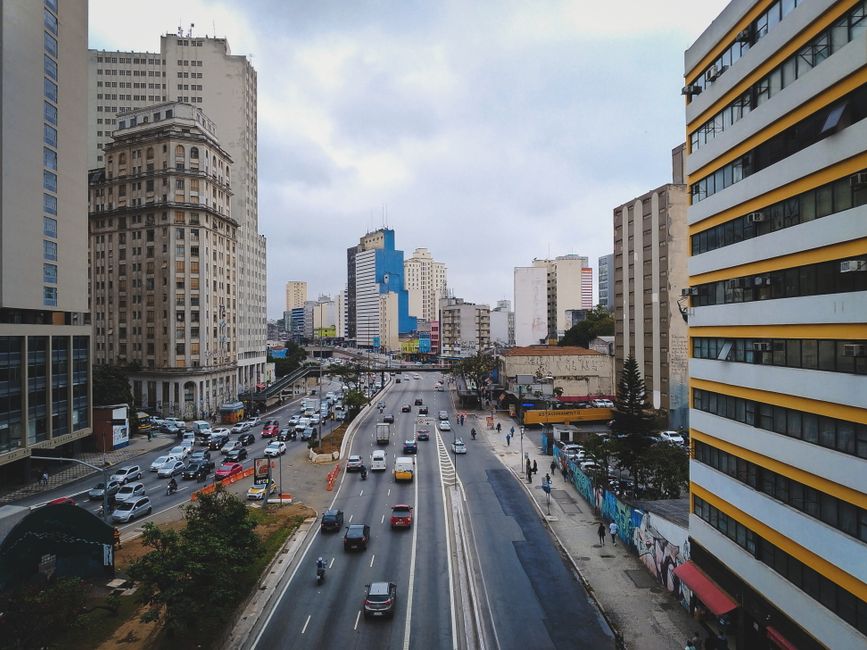
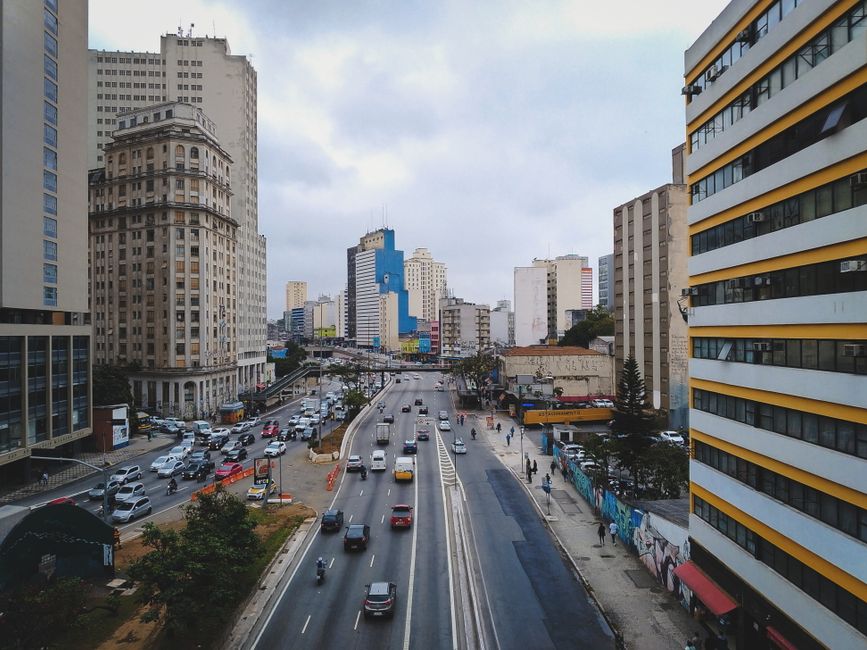
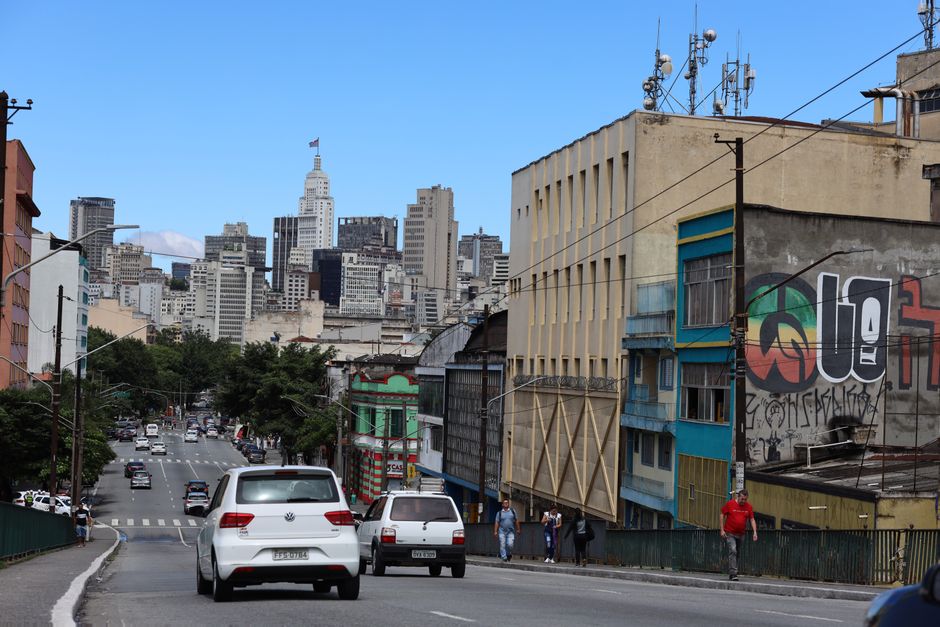
São Paulo's emergency services are in crisis—but the problems didn't emerge overnight. A decade of underfunding, population growth, and escalating urban violence has gradually transformed the Polícia Militar and Corpo de Bombeiros from stretched-thin operations into systems struggling to respond adequately to the city's 12 million residents.
The numbers tell a stark story. In 2016, the state of São Paulo had approximately 230,000 police officers. Today, that figure has barely budged, despite a city population that has swelled by nearly 2 million people. Meanwhile, response times for emergency calls in outer zones like Itaquera and Guaianazes have doubled since 2015, now averaging 47 minutes in some neighborhoods—far exceeding the recommended 15-minute standard.
Budget constraints have been relentless. The Corpo de Bombeiros, which serves the metropolitan area from 184 stations, received a 12 percent real budget reduction between 2015 and 2024, adjusted for inflation. The military police academy, located in the suburbs of Osasco, graduated just 800 new officers annually over the past five years, compared to the 2,500 annually needed simply to replace retirements.
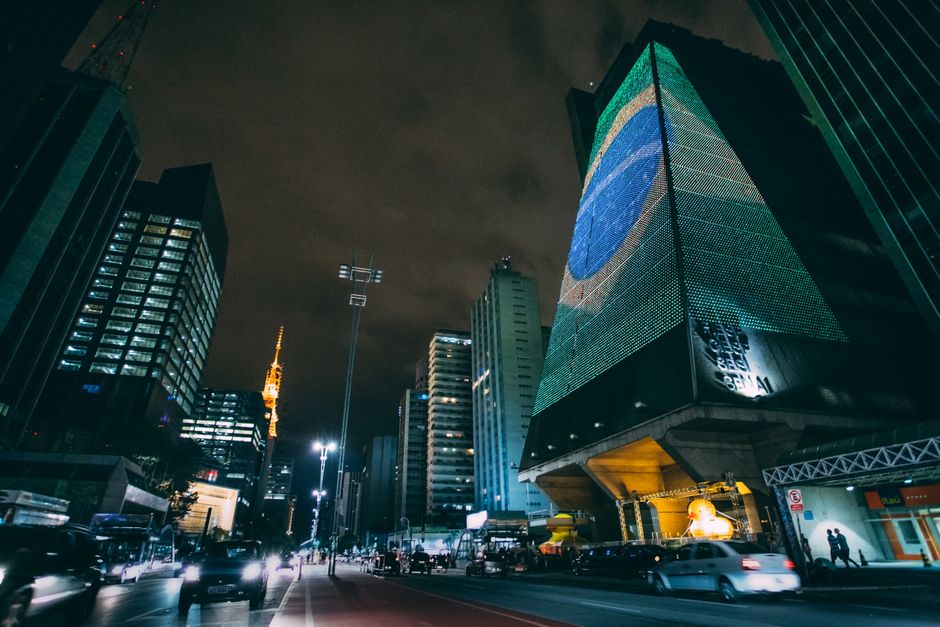
Geography compounds the challenge. Violence has intensified in peripheral neighborhoods—Capão Redondo, Heliópolis, and Complexo do Alemão—where gang disputes and drug trafficking have created volatile conditions. The homicide rate in the city's eastern zone is now three times higher than in the central districts near Avenida Paulista and Jardins.
Technological gaps persist as well. Many precincts still rely on outdated dispatch systems incompatible with modern real-time tracking. The Copom (Centro de Operações da Polícia Militar), headquartered on Rua Bom Pastor, handles roughly 3 million calls annually—a 45 percent increase since 2012—with largely the same infrastructure.
Police fatigue is documented and measurable. Officers frequently work 12-hour shifts with minimal days off, contributing to stress-related illnesses and burnout rates that have doubled since 2018. The Fire Department's situation is similarly dire: firefighters in central stations like the historic facility near Pátio do Colégio work under constant pressure.
Community initiatives, including the Guarda Civil Metropolitana expansion, have provided marginal relief. Yet experts argue the systemic problems require sustained investment in personnel recruitment, modern technology, and preventative social programs—an acknowledgment that emergency services can only address symptoms, not root causes.
As June 2026 unfolds, São Paulo's emergency apparatus operates at maximum stress. Understanding how the city reached this point is essential for any meaningful reform.
This article was compiled by AI from the sources linked above and screened before publishing. See our editorial standards.
How does this story make you feel?
Spread the word
About this article
Published by The Daily São Paulo
Daily brief
Free, in your inbox before 7am. Weekdays.
More in News