São Paulo's Municipal Housing Secretariat (Secretaria Municipal de Habitação) pushed through a landmark zoning reform on Thursday that reshapes how the city will develop residential space over the next decade, marking the most significant policy shift since 2014's master plan.
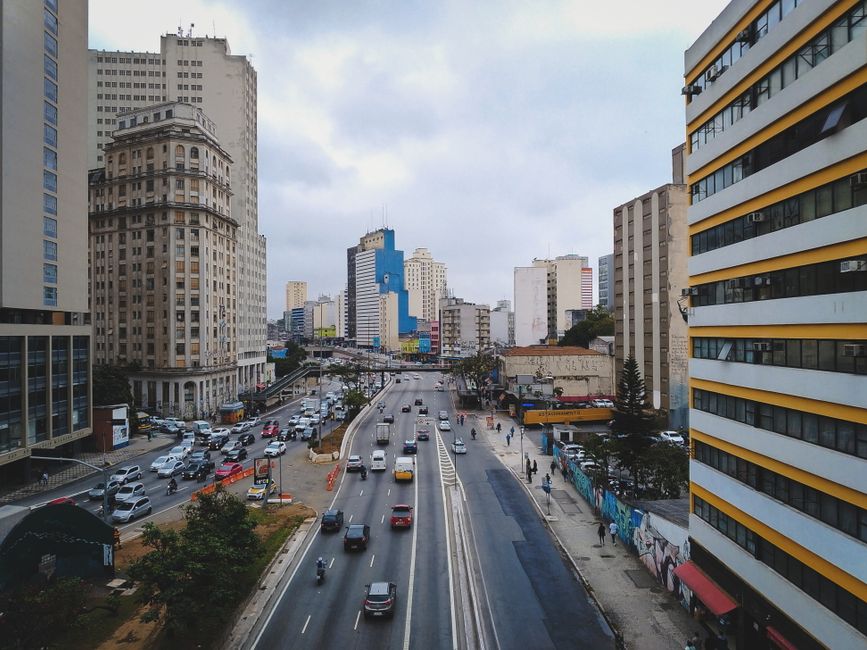
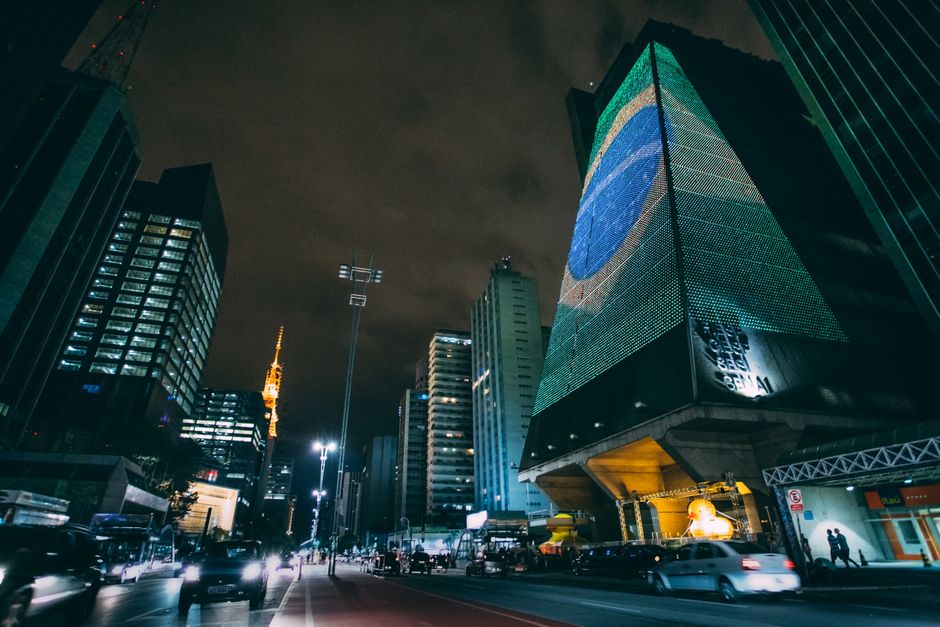
The approved modifications, debated intensely throughout the week at City Hall on Viaduto do Chá, fundamentally alter density allowances across 14 strategic corridors. Most notably, the Mooca neighbourhood—long constrained by restrictive height limitations—now permits residential towers up to 120 metres, compared to the previous 45-metre ceiling. Similar relaxations apply to stretches along Avenida Paulista and the emerging Água Branca district near Ponte Pequena.
Housing advocates and real estate firms hailed the decision. Current market data shows residential property values in São Paulo have climbed 12 per cent annually since 2023, with a one-bedroom apartment in Pinheiros now averaging R$850,000. The secretariat estimates the reforms could unlock construction of approximately 180,000 new units over five years, potentially moderating price pressures that have squeezed the middle class.
However, community organisations raised alarms. The Movimento de Moradia da Zona Leste, representing residents across the eastern periphery, argues the policy favours speculative development in already gentrifying zones while neglecting affordable housing targets. Under the new framework, developers face no mandatory percentage requirements for social housing in new projects—a concession made to expedite approvals.
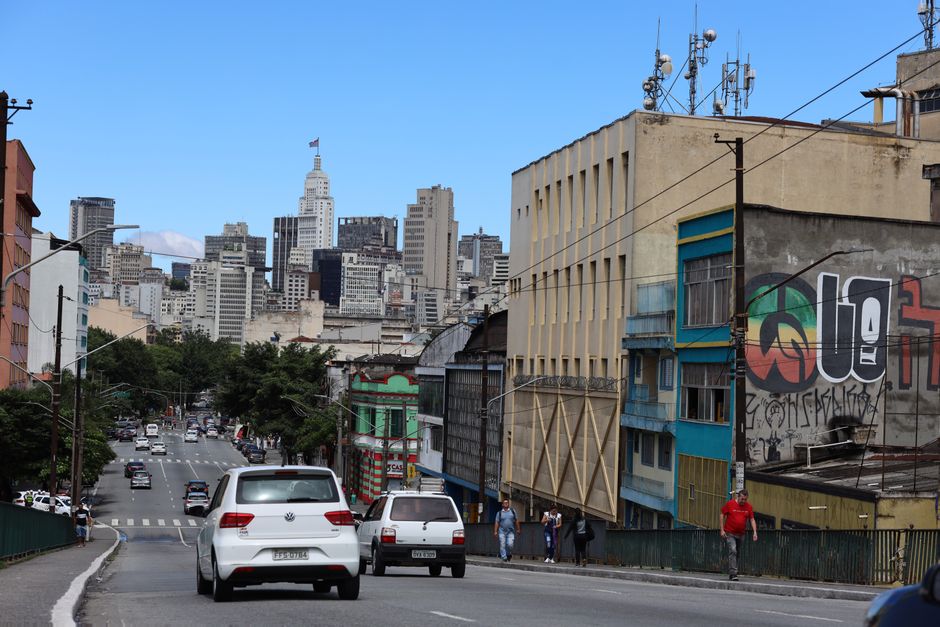
The decision compounds tensions around São Paulo's acute housing shortage. Roughly 1.2 million families remain on municipal waiting lists for subsidised accommodation, according to figures released last month by the Housing Secretariat. Simultaneously, vacancy rates in central commercial districts remain persistently high as office towers struggle post-pandemic.
City planners counter that the zoning reforms create conditions for mixed-income development. By permitting density increases, they argue, the cost per unit decreases, theoretically benefiting affordability. The administration also announced complementary funding mechanisms through the São Paulo Development Bank (BDSP) to support low-income housing projects.
The debate now shifts to implementation. The Planning Secretariat (Secretaria de Urbanismo) must draft detailed guidelines for each corridor by August, with the first projects potentially breaking ground in late 2026. Neighbourhood associations across Consolação, Vila Mariana, and Tatuapé have already scheduled public hearings to scrutinise specific proposals.
Meanwhile, the city's real estate sector watches closely. Developers see opportunity; residents fear irreversible change. As São Paulo grows denser, that tension will define urban São Paulo for years ahead.
This article was compiled by AI from the sources linked above and screened before publishing. See our editorial standards.