São Paulo's Green Transition by the Numbers: What the Data Reveals About Our Sustainability Shift
As the city pursues ambitious environmental targets, newly compiled statistics show where progress is real—and where São Paulo still falls short.
As the city pursues ambitious environmental targets, newly compiled statistics show where progress is real—and where São Paulo still falls short.
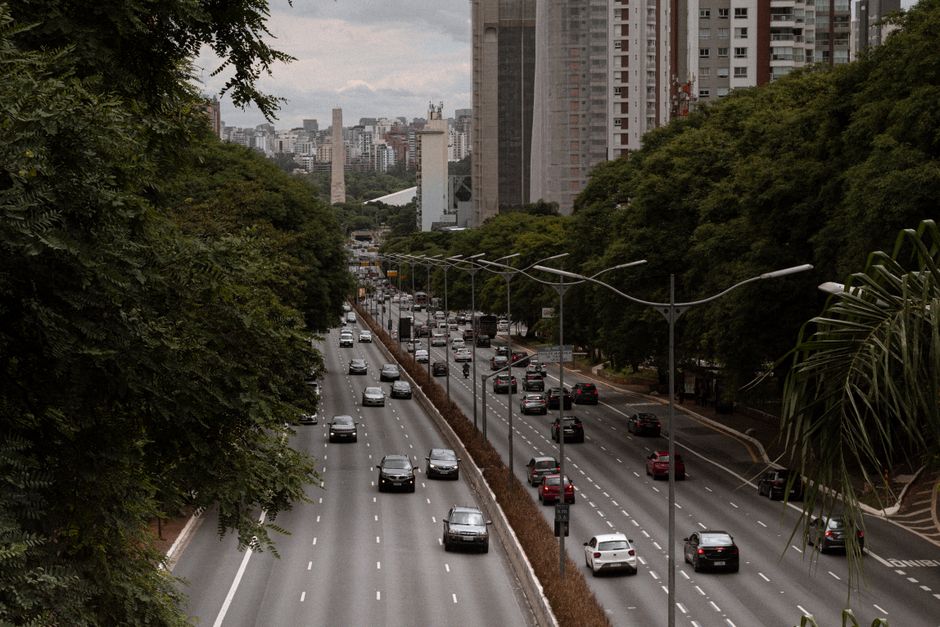
São Paulo's environmental transformation exists largely in the shadows of policy documents and municipal dashboards, but the numbers tell a story far more nuanced than headline announcements suggest. With over 12 million residents across 1,521 square kilometres, the megacity has become a laboratory for urban sustainability—one where data reveals both genuine momentum and persistent challenges.
The Metropolitan Company of São Paulo's most recent transit report shows that buses powered by renewable energy now account for 33 per cent of the fleet, up from just 8 per cent in 2015. That translates to approximately 4,500 vehicles running on biodiesel or biogas across the city's sprawling network. Yet conventional diesel buses still dominate at 53 per cent of operations, consuming an estimated 1.2 billion litres annually—a figure that has remained stubbornly resistant to reduction despite official targets calling for 50 per cent renewable adoption by 2030.
Urban green space presents a starker contradiction. The city's tree-planting initiative, coordinated through the Municipal Environment Department, claims to have installed 1.8 million saplings since 2019. Park coverage in central zones like the Zona Sul has expanded by roughly 4 per cent. Yet satellite analysis indicates that overall tree canopy coverage remains at just 14 per cent citywide—significantly below the World Health Organization's recommended 30 per cent minimum for urban areas. Neighbourhoods like Parelheiros in the southern periphery average only 7 per cent coverage.
Water consumption data proves equally revealing. The São Paulo Water Company reports average residential consumption at 165 litres per person daily—higher than the city's own sustainability target of 150 litres. Industrial water use has declined 22 per cent since 2010 due to manufacturing shifts and efficiency upgrades, yet represents only marginal progress against a decade of promised conservation.
The city's waste management division processed 24,000 tonnes of municipal waste daily in 2025. Recycling rates hover at 6.3 per cent—well below the municipal goal of 20 per cent by 2030. Selective collection programmes operate in approximately 47 per cent of districts, with coverage concentrated in wealthier neighbourhoods near Avenida Paulista and Vila Madalena.
Renewable energy adoption shows brighter results. Solar panel installations increased 156 per cent between 2022 and 2025, now exceeding 180,000 residential units. Yet these systems serve roughly 2 per cent of households.
The statistical portrait emerging is clear: São Paulo's environmental initiatives are genuine but incremental, achieving measurable gains in specific sectors while systemic challenges—transit infrastructure, water management, waste reduction—demand far more aggressive intervention to meet stated 2030 targets.
This article was compiled by AI from the sources linked above and screened before publishing. See our editorial standards.
How does this story make you feel?
Spread the word
About this article
Published by The Daily São Paulo
Daily brief
Free, in your inbox before 7am. Weekdays.
More in News