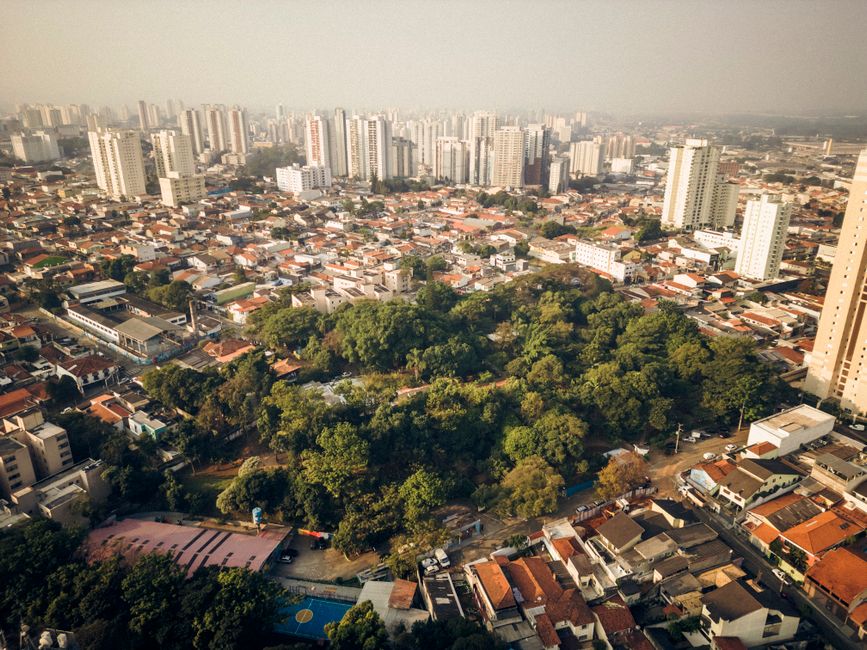
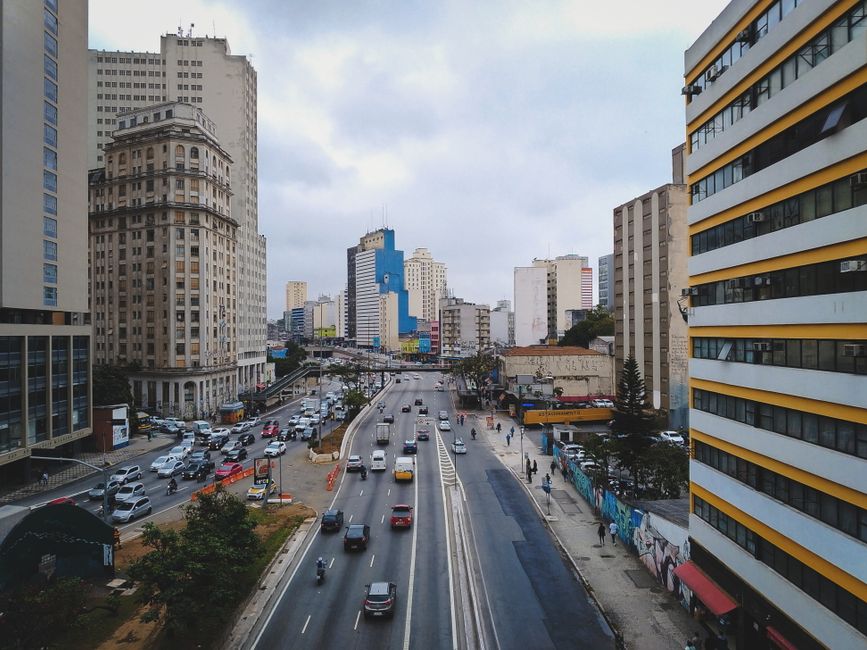
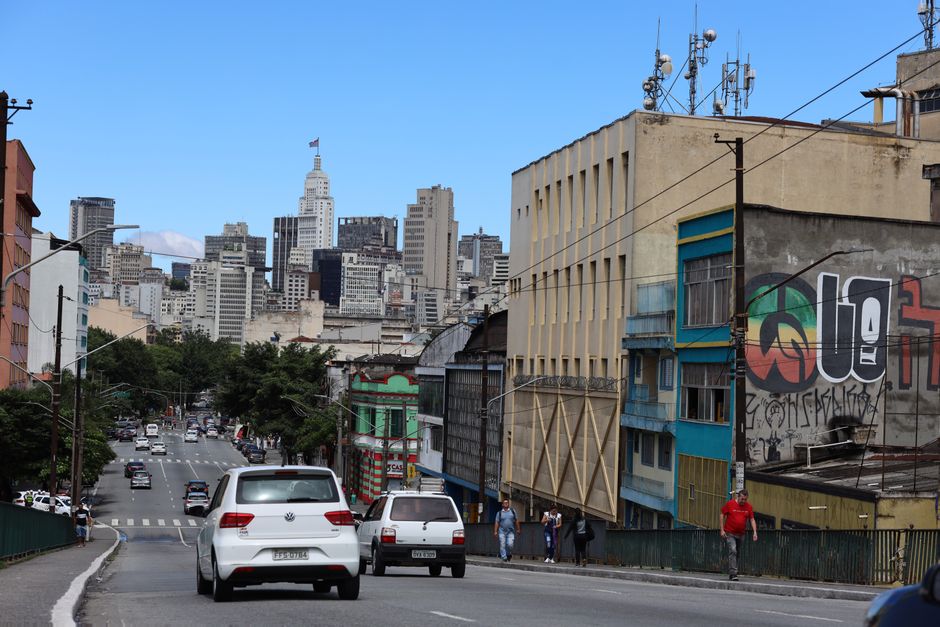
São Paulo's city council voted 37-18 this week to approve sweeping zoning amendments that will reshape the city's residential landscape, marking the most significant housing policy shift in over a decade. The decision, which took effect immediately, removes density restrictions in neighbourhoods including Pinheiros, Vila Mariana, and parts of Mooca, potentially unlocking billions of reais in new construction projects.
The São Paulo Chamber of Architects and Engineers backed the measure, arguing that loosening regulations would increase housing supply in a city where median residential prices have surged 23 percent since 2024. Data from the City Housing Secretariat shows the average price per square metre in established neighbourhoods now exceeds R$12,000, pricing out middle-income families and driving migration to peripheral zones.
However, housing rights groups and environmental advocates warn the policy prioritises developer profits over community needs. The Movimento Moradia—a coalition representing low-income residents—staged a demonstration outside the Municipal Chamber on Viaduto do Chá on Thursday, citing concerns about gentrification and insufficient protections for existing tenants in areas targeted for redevelopment.
The framework introduces density bonuses that would allow buildings up to 30 stories in previously restricted districts, though it includes modest affordable housing requirements: developers must dedicate 10 percent of units to social housing or pay into a municipal fund. Critics argue this threshold falls short of meeting demand, particularly in central regions where displacement pressures mount.
Urban planner analyses suggest the decision will accelerate transformation of neighbourhoods like Consolação and Bixiga, where smaller residential buildings and traditional commercial spaces currently dominate. Some property owners report receiving preliminary inquiries from major developers already.
The approval also touched on transit connections. City officials announced coordinated planning with SPTRANS and Metro to improve infrastructure along the newly opened zones, acknowledging that previous development surges strained public services. The Secretariat of Urban Planning committed to publishing a transport impact study within ninety days.
Municipal housing officials emphasize the policy aims to address an estimated deficit of 385,000 residential units city-wide. Yet social housing advocates remain sceptical, pointing to similar deregulation efforts in Rio de Janeiro and Brasília that produced luxury developments rather than accessible housing.
The council will revisit the framework in eighteen months, with mandatory reviews of displacement data and affordable unit completion rates. For São Paulo's estimated 4 million renters and aspiring homebuyers, the coming months will reveal whether this gamble actually eases the housing squeeze.
This article was compiled by AI from the sources linked above and screened before publishing. See our editorial standards.