São Paulo's Green Future Hinges on Three Critical Decisions This Year
As the city commits to carbon neutrality by 2050, planners face a make-or-break moment on public transit expansion, industrial emissions caps, and favela sustainability programs.
As the city commits to carbon neutrality by 2050, planners face a make-or-break moment on public transit expansion, industrial emissions caps, and favela sustainability programs.
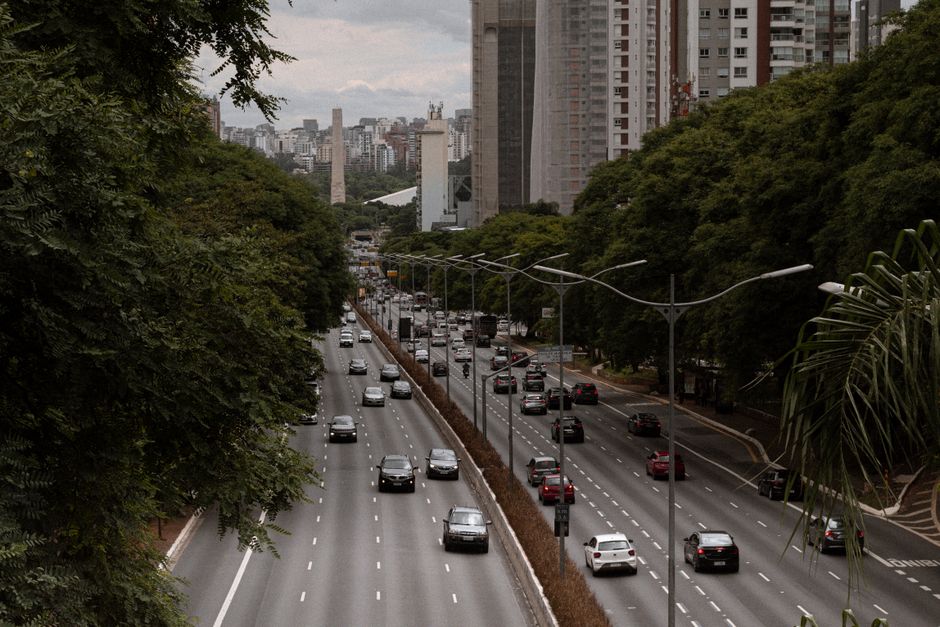
São Paulo stands at an environmental crossroads. The metropolitan region, home to 22 million people and responsible for roughly 12% of Brazil's greenhouse gas emissions, has pledged ambitious climate targets. But the machinery to deliver them remains incomplete, and a series of decisions due before year-end will largely determine whether these commitments survive beyond the rhetoric stage.
The most immediate challenge concerns the expansion of the Metro system into the periphery. City hall has outlined plans to extend Lines 15 and 17 into the eastern suburbs—areas where commuters currently rely on diesel buses and personal vehicles. The cost: approximately 45 billion reais over the next eight years. The question: will the city council approve the necessary bond issue in September? Officials acknowledge that without this infrastructure, the target of reducing transport-related emissions by 30% before 2030 becomes virtually impossible.
A second pivotal moment arrives with the industrial emissions ordinance, scheduled for final review in August. The proposal would require large manufacturers in the ABC region—Diadema, Santo André, São Bernardo do Campo—to cut particulate matter and nitrogen oxide releases by 25% within five years. Industry groups have lobbied heavily against the timeline, arguing it threatens competitiveness. Environmental NGOs counter that current pollution levels in these neighbourhoods contribute to respiratory disease rates 40% above the city average.
Perhaps most contentious is the Favela Sustainability Initiative, a pilot programme affecting roughly 180,000 residents across Heliópolis, Paraisópolis, and smaller settlements. City planners are debating whether to fund localized solar installations and waste management systems—a decentralized approach backed by community organizations—or consolidate services through municipal infrastructure. The difference is not merely technical; it reflects competing visions of who shapes São Paulo's green transition, and who benefits from it.
The Secretariat of the Environment has set a 30 June deadline for public consultation on all three measures, meaning feedback submitted in the coming days could influence final proposals. Yet engagement so far has been sparse outside specialist circles, leaving ordinary paulistas largely unaware that decisions affecting air quality, transport costs, and neighbourhood investment are weeks away from being locked in.
Environmental advocates argue the window for genuine transformation is narrow. São Paulo's pollution index, while improved since the 1990s, remains stubbornly high. The city cannot afford to bungle these choices. By autumn, the direction will be set.
This article was compiled by AI from the sources linked above and screened before publishing. See our editorial standards.
How does this story make you feel?
Spread the word
About this article
Published by The Daily São Paulo
Daily brief
Free, in your inbox before 7am. Weekdays.
More in News