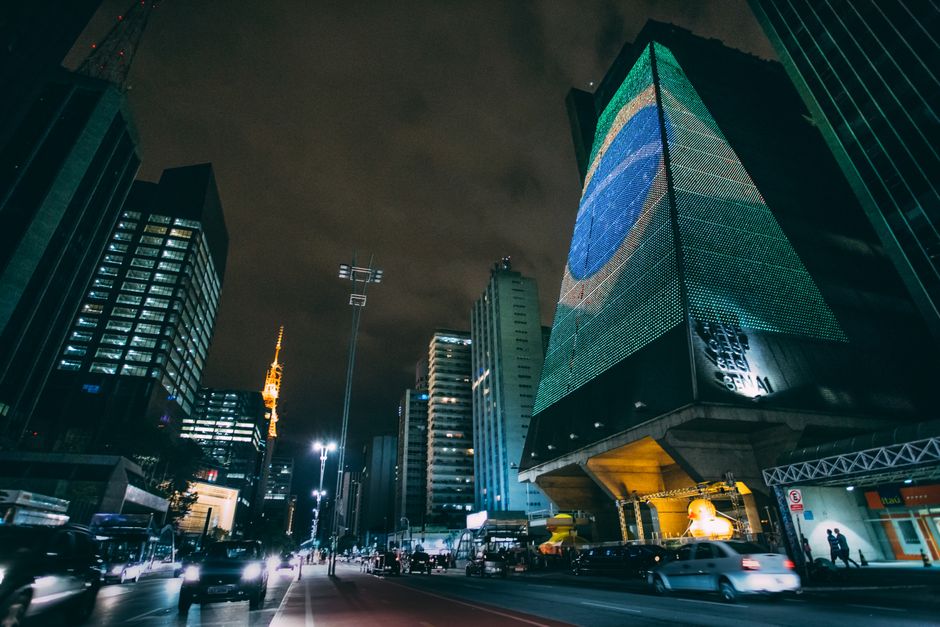
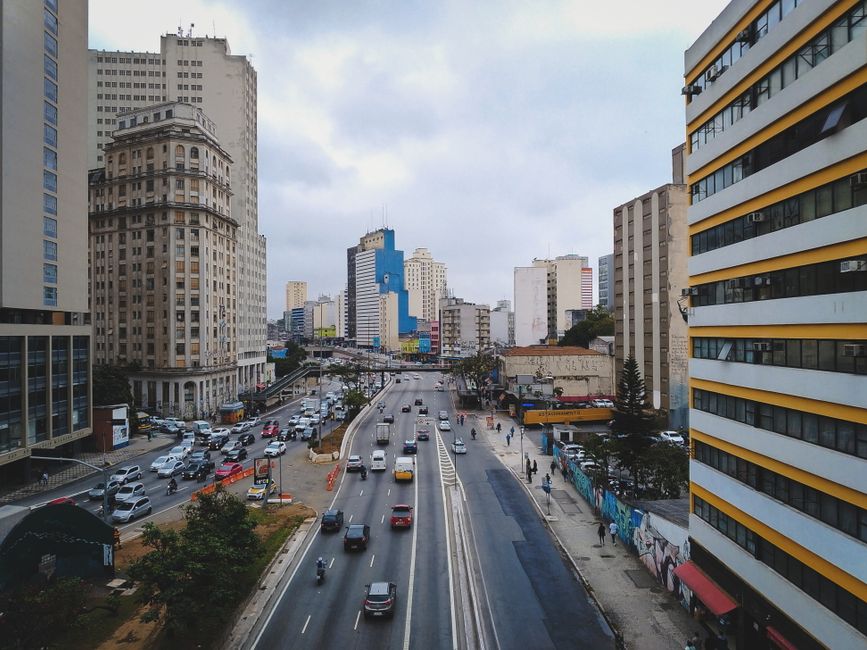
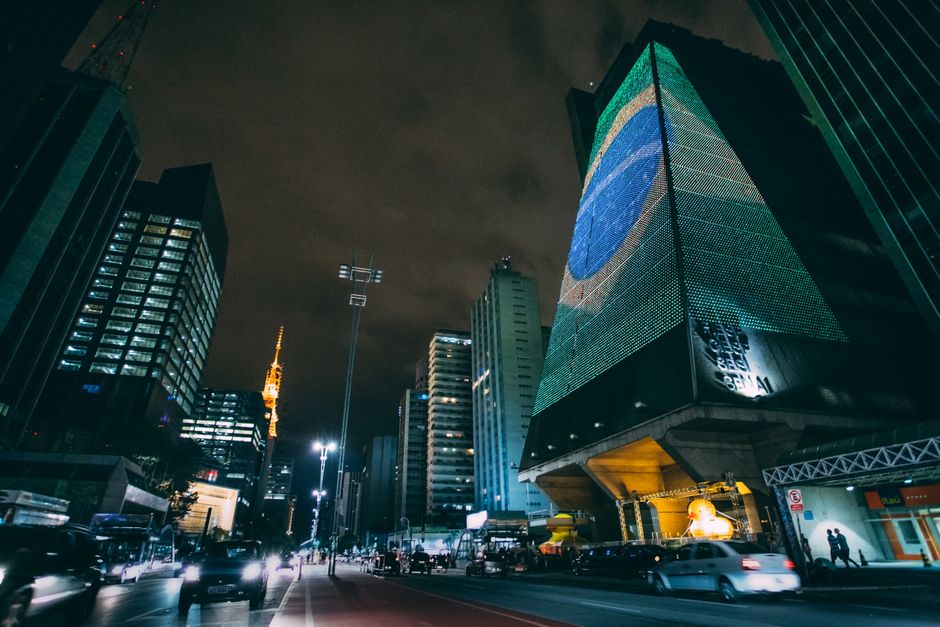
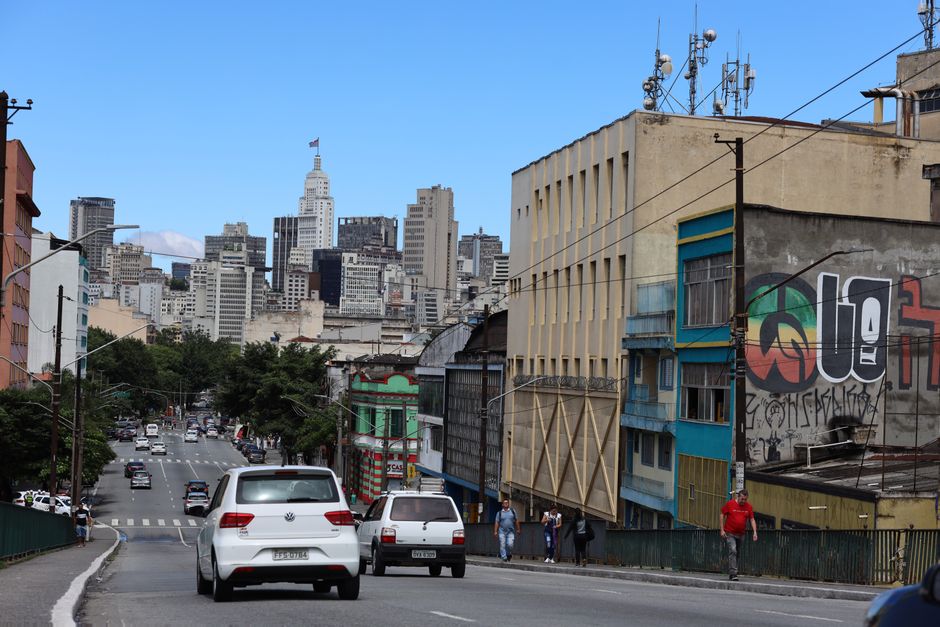
São Paulo's latest municipal transparency report, released this month by the Secretaria Municipal de Planejamento, lays bare the numerical reality of urban development across the sprawling metropolis: investment is concentrated, progress is uneven, and the gap between the centre and periphery remains stubbornly wide.
The figures are striking. Of the €2.3 billion earmarked for infrastructure improvements through 2028, approximately 34 per cent is directed toward projects in Pinheiros, Vila Mariana, and the central business districts—home to roughly 18 per cent of the city's 12 million residents. By contrast, the eastern zones of Itaquera, São Miguel Paulista, and Guaianazes, which house nearly 22 per cent of the population, receive just 16 per cent of allocated funds.
Transport figures amplify the disparity. The expansion of the metro system, once planned to reach Itapecerica da Serra by 2026, has been delayed. Current data shows only 328 kilometres of metro lines operational across the city, serving an estimated 5.2 million daily commuters. Meanwhile, bus rapid transit corridors in the south zone have expanded by 87 kilometres since 2023, compared to 12 kilometres added in the north zone during the same period.
Housing affordability tells another story. Rental prices in Consolação average €1,850 per month for a two-bedroom apartment, according to June 2026 market surveys, while comparable units in Sapopemba cost €520—a 3.5-fold difference that reflects broader investment patterns. The municipal housing programme, Minha Casa, Minha Vida, has delivered 14,200 units across the metropolitan area this year, but 62 per cent are located beyond the city limits.
Public services data similarly reveals imbalances. Schools in the wealthy south zone average one educator per 22 students; in Capão Redondo, that ratio reaches one per 31. Healthcare facilities show comparable gaps: Pinheiros district has one primary care centre per 8,400 residents, while Itaquera has one per 24,600.
The municipal government's response has been cautious. Officials point to R$156 million in new spending aimed at periphery-focused projects, representing a 7 per cent increase from last year's allocation. Yet budget analysts note that this amounts to roughly €31 per capita annually in these zones—less than half the per-capita investment in central districts.
As São Paulo prepares for municipal elections next year, these numbers will likely dominate debate. The data suggests that inclusive growth remains more aspiration than reality in Brazil's largest city.
This article was compiled by AI from the sources linked above and screened before publishing. See our editorial standards.