How São Paulo's Housing Crisis Became the Central Issue Defining Municipal Politics Today
Decades of underinvestment, sprawling favelas, and failed urban planning have converged to reshape the city's political landscape heading into 2026.
Decades of underinvestment, sprawling favelas, and failed urban planning have converged to reshape the city's political landscape heading into 2026.
São Paulo's current political moment cannot be understood without tracing the city's housing emergency back through three decades of neglect and mismanagement. Today, as municipal leaders grapple with proposals to reform zoning laws and redirect development funds, the roots of this crisis run deep into the decisions—and non-decisions—made by previous administrations across the city's eastern and southern peripheries.
The scale of the problem is staggering. Approximately 2.1 million people in São Paulo live in informal settlements, concentrated in districts like Grajaú, Parelheiros, and São Mateus. Meanwhile, official vacancy rates in formal housing hover around 7 percent, suggesting a disconnect between supply and accessibility rather than genuine shortage. This paradox has become the defining tension in city hall debates.
The turning point came roughly five years ago, when successive administrations failed to implement the Strategic Master Plan's housing targets. Between 2015 and 2020, the city approved fewer than 12,000 social housing units annually, while demand exceeded 400,000 units. Simultaneously, real estate speculation concentrated development in wealthier neighbourhoods like Vila Madalena and Pinheiros, where average apartment prices now exceed R$15,000 per square metre—pricing out middle-class families entirely.
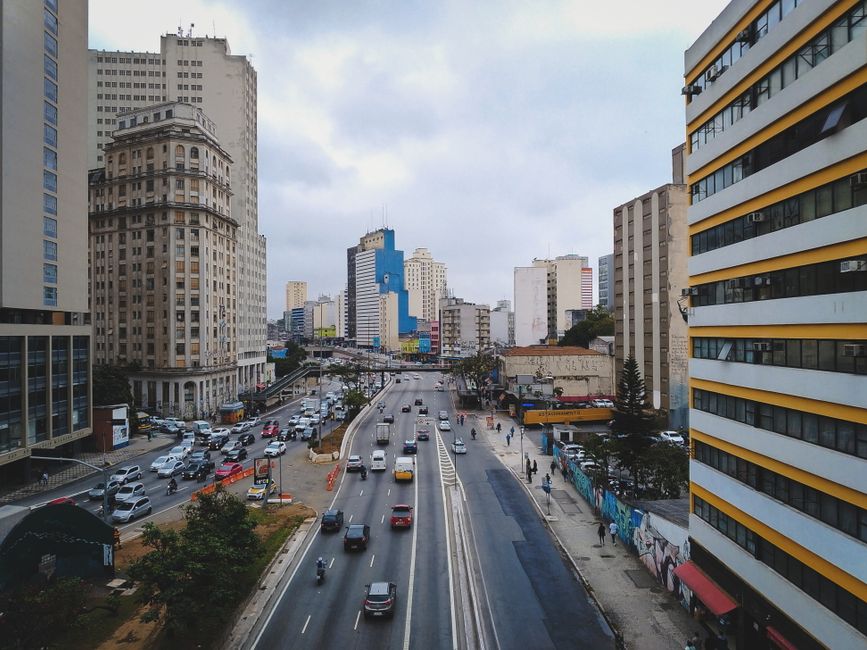
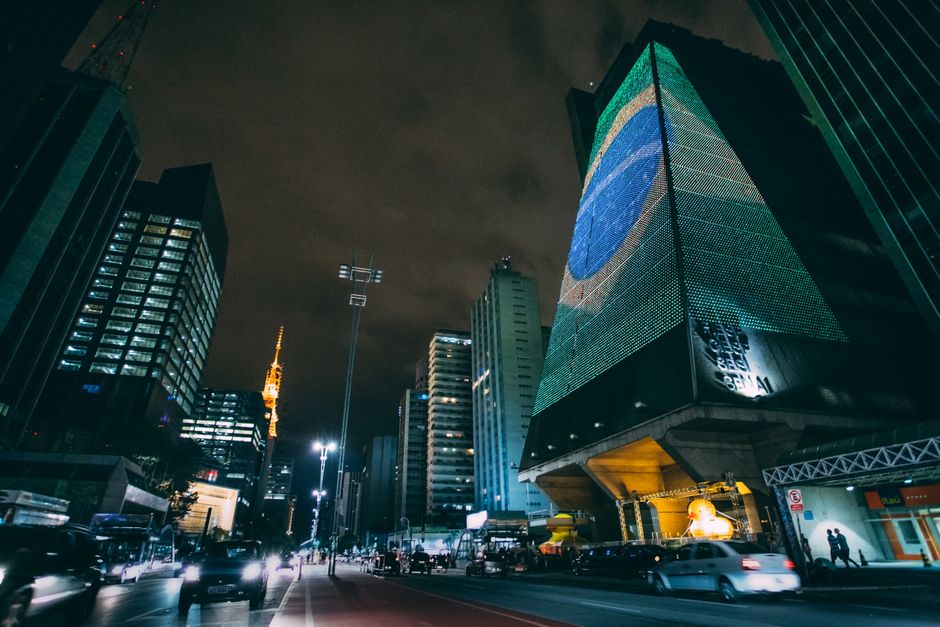
Infrastructure decay in peripheral zones amplified the crisis. Transportation bottlenecks on the periphery meant that residents in Itaquera and Guaianases faced two-hour commutes to central employment hubs like Avenida Paulista and the Financial Centre. Schools and hospitals in these areas remained chronically underfunded, creating a cycle of disinvestment that compounded housing instability.
Recent political pressure has forced the issue onto the agenda. Community organizations operating from the Sé neighbourhood to the far reaches of Zone Leste have mobilized, demanding transparency in land use decisions. The Igreja da Canção Nova network and neighbourhood associations have called for converting abandoned commercial properties into residential units, challenging the assumption that new construction is the only solution.
Today's municipal debates reflect this accumulated frustration. Proposals to streamline zoning restrictions in areas like Tatuapé and Artur Alvim, previously blocked by local resistance and bureaucratic inertia, now face serious consideration. The city's publicly owned housing agency, COHAB, has announced plans to accelerate development of stalled projects across the metropolitan region.
Understanding where São Paulo stands politically in 2026 requires acknowledging this background: the housing crisis did not emerge suddenly, but accumulated through years of prioritizing market-driven development over equitable urban planning. That history now shapes every municipal decision.
This article was compiled by AI from the sources linked above and screened before publishing. See our editorial standards.
How does this story make you feel?
Spread the word
About this article
Published by The Daily São Paulo
Daily brief
Free, in your inbox before 7am. Weekdays.
More in News