São Paulo's Migration Boom: What the Numbers Reveal About Brazil's Changing Face
New data shows the city's foreign-born population has grown 34% in five years, reshaping neighbourhoods from Brás to Vila Mariana.
New data shows the city's foreign-born population has grown 34% in five years, reshaping neighbourhoods from Brás to Vila Mariana.
São Paulo's transformation into a global migration hub is no longer anecdotal—the latest municipal census data tells a stark story in numbers. As of mid-2026, approximately 2.1 million foreign-born residents live in Brazil's largest city, representing 15.8% of the metropolitan population. That's a 34% increase since 2021, fundamentally reshaping the city's economic and cultural landscape.
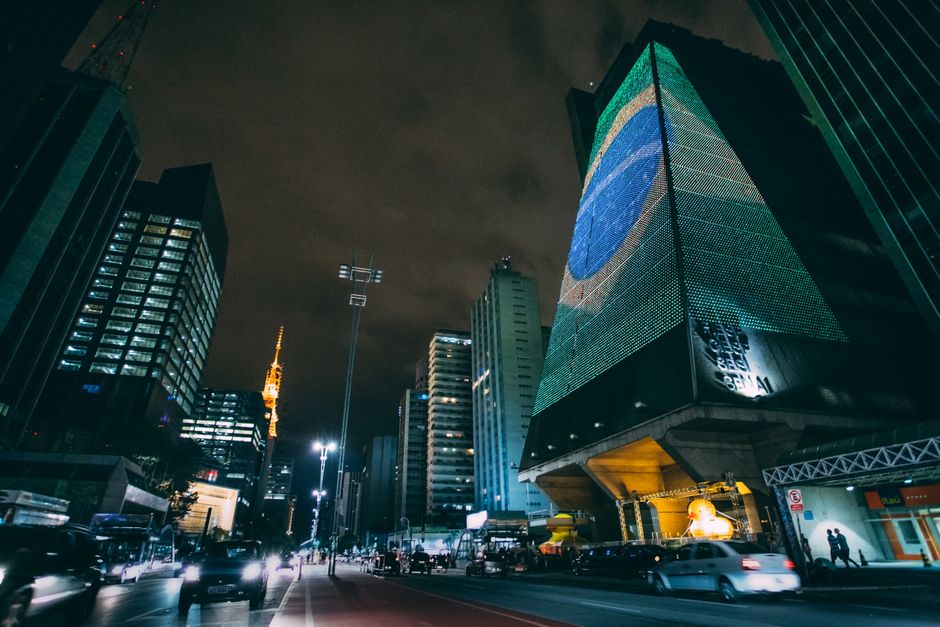
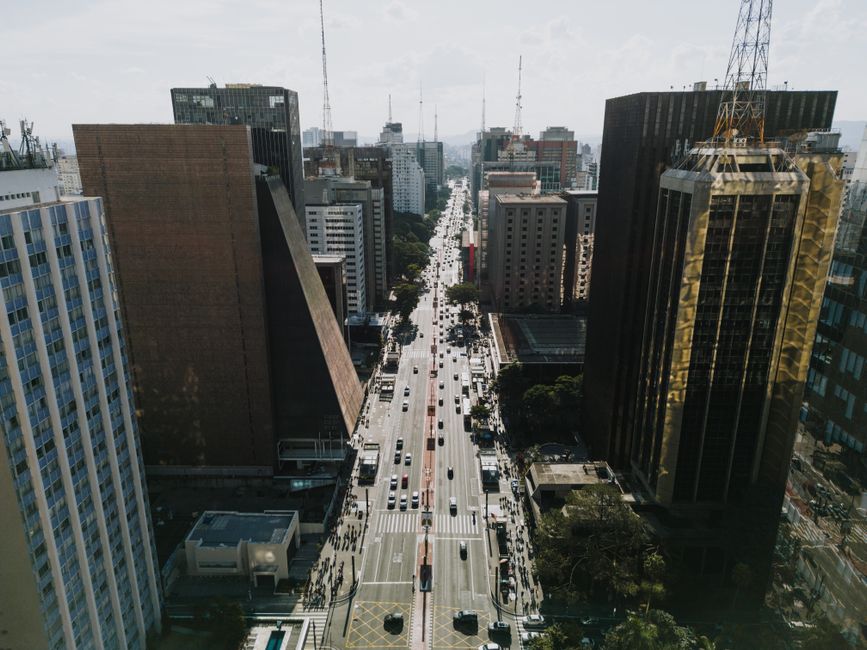
The scale of this shift becomes clear when examining specific neighbourhoods. In Brás, traditionally a hub for migrants, the foreign-born population now comprises 31% of residents, up from 18% five years ago. Meanwhile, Vila Mariana—historically an affluent Brazilian enclave—has seen its migrant population jump to 12%, with property prices in the area climbing 67% as international professionals establish themselves near corporate headquarters along Avenida Paulista.
The numbers reveal surprising patterns. Venezuelan nationals account for 187,000 residents, the largest migrant group, followed by 94,000 Haitians and 76,000 Angolans. But perhaps more telling is the distribution: while central neighbourhoods like Luz and República host established migrant service networks, peripheral areas in the zona leste now contain 42% of the city's undocumented migrant population, according to NGO research compiled by the Pastoral da Mobilidade Humana.
Economic data underscores the stakes. Migrant-owned businesses now represent 28,000 establishments citywide—from restaurants clustered around Rua 25 de Março to service providers in outlying areas. Yet statistics from the Fundação Seade show migrant unemployment sits at 8.9%, compared to 6.2% for Brazilian-born residents, indicating structural barriers despite economic contributions estimated at R$47 billion annually to São Paulo's GDP.
Housing pressures tell their own story. In neighbourhoods like Tatuapé, average rental prices have surged 41% since 2021, while occupancy density in shared housing has reached 3.8 persons per room in some peripheral communities—nearly double the municipal average.
The data also reveals institutional strain. The city's Migration Support Centre in Brás processed 456,000 requests in 2025 alone, up 58% from 2022. Meanwhile, multilingual services remain fragmented: only 19% of municipal health clinics offer interpretation in the city's five most common migrant languages.
These statistics paint a picture of a city grappling with rapid change. São Paulo remains Latin America's primary gateway for international migrants, but the numbers suggest the city's infrastructure, housing stock, and integration mechanisms are struggling to keep pace with demographic reality.
This article was compiled by AI from the sources linked above and screened before publishing. See our editorial standards.
How does this story make you feel?
Spread the word
About this article
Published by The Daily São Paulo
Daily brief
Free, in your inbox before 7am. Weekdays.
More in News