São Paulo's environmental ambitions are increasingly quantifiable. The city's latest sustainability report, released this month by the municipal secretariat, charts measurable targets across waste, transportation, and carbon emissions—but the numbers also reveal how far Brazil's largest metropolis still has to travel.
The figures are striking. The city has committed to reducing carbon emissions by 50 percent by 2030 from 2005 baseline levels, according to official documents. Yet current projections suggest São Paulo will achieve only a 28 percent reduction if existing initiatives continue unchanged. That gap—22 percentage points—underscores the scale of acceleration required.
Waste management presents a parallel story. The Secretaria de Sustentabilidade reports that 78 percent of São Paulo's 11.4 million residents now have access to selective waste collection programs, up from 52 percent in 2018. The improvement is real, but it means roughly 2.5 million people still lack regular access. Processing capacity at the city's seven primary waste treatment facilities has expanded to handle 1,200 tonnes daily, yet the city generates an average of 17,000 tonnes of solid waste per day.
Green space data offers more encouraging numbers. The municipal parks department, headquartered in the Ibirapuera administrative complex, now oversees 131 municipal parks totaling 3,847 hectares—an increase of 421 hectares since 2020. Yet environmental advocacy groups note that the per-capita green space remains below the World Health Organization recommendation of 9 square meters per resident; São Paulo currently provides 3.4 square meters per capita.
The city's bus rapid transit expansion demonstrates measurable progress. The BRT network now covers 507 kilometers of dedicated lanes across the metropolitan area, up from 315 kilometers in 2020. Average daily ridership has climbed to 2.3 million journeys. The municipal transport authority estimates this modal shift has prevented approximately 156,000 tonnes of CO2 emissions annually compared to the equivalent journeys undertaken by private vehicles.
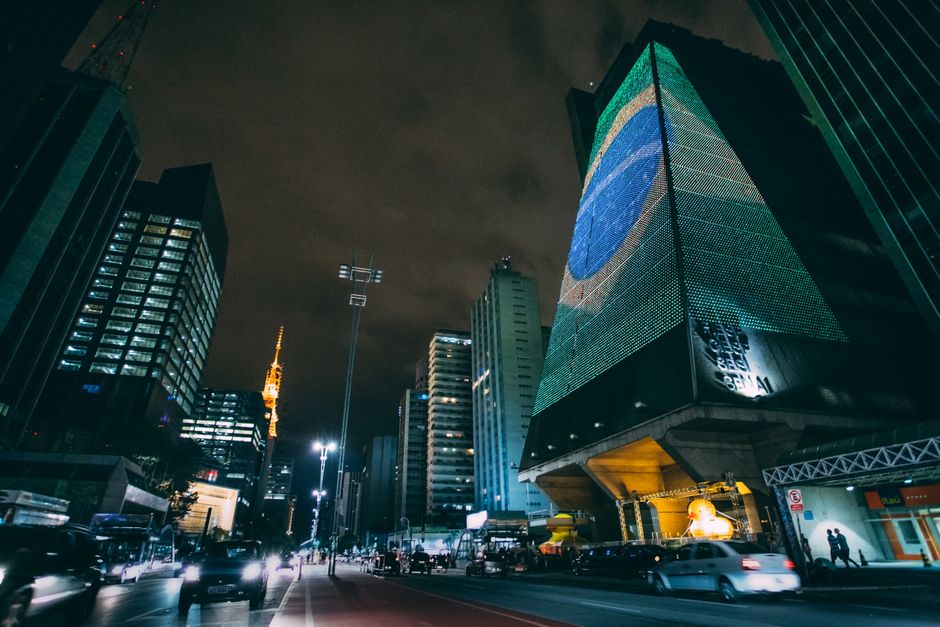
Energy efficiency initiatives in commercial districts including Av. Paulista and the financial hub near Pinheiros show documented savings. Participating buildings reduced electricity consumption by an average of 19 percent after implementing mandatory LED conversion and smart-building technologies. These retrofits cost participating businesses R$2.1 million on average but generated average annual savings of R$380,000.
The data tells a complex story: São Paulo is genuinely moving forward on sustainability metrics, but momentum remains insufficient to meet declared targets. Success will depend not on announcements, but on whether the city can double its current rate of progress across every measured dimension.
This article was compiled by AI from the sources linked above and screened before publishing. See our editorial standards.