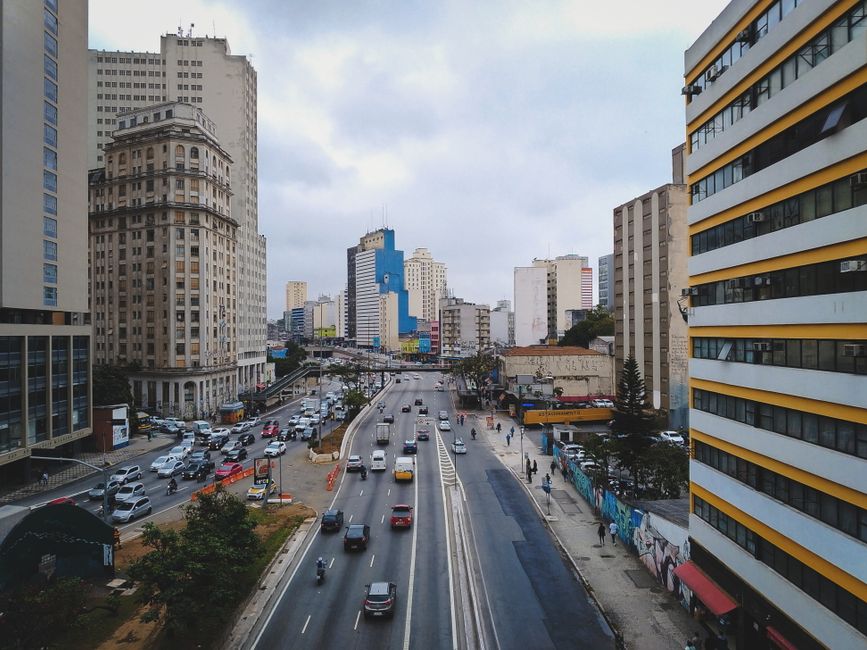
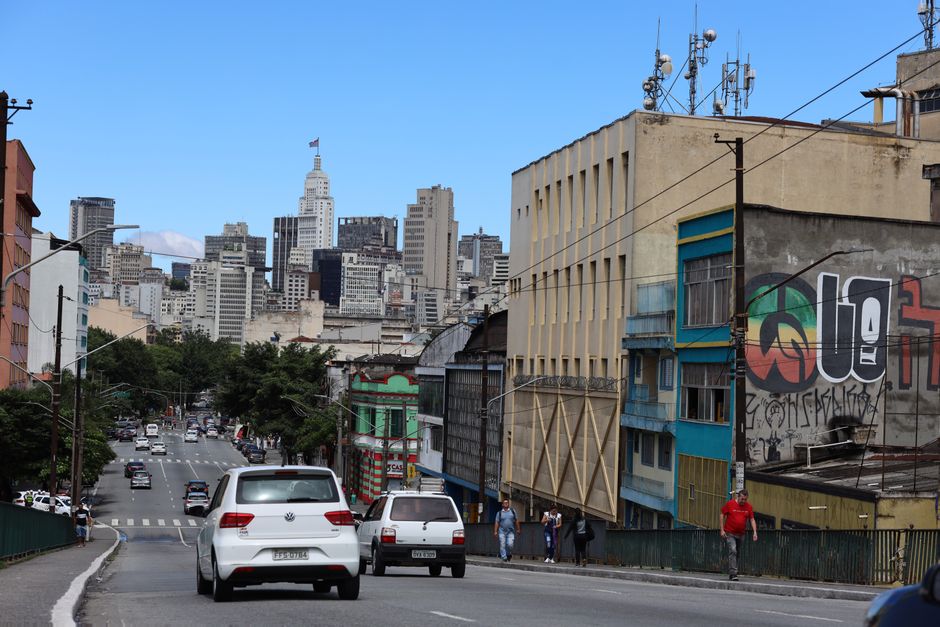
A convergence of voices from São Paulo's government, academia, and civil society organisations is reshaping the conversation around the city's chronic housing shortage, with officials and experts now openly advocating for zoning reforms and accelerated development along key transit corridors.
The discussion gained momentum this week following a technical forum hosted by the Municipal Housing Secretariat, where representatives from institutions including the Federal University of São Paulo's Urban Planning Institute and the São Paulo Housing Association presented data underscoring the urgency. Current estimates suggest a deficit of approximately 370,000 housing units citywide, with average monthly rents in central neighbourhoods like Vila Mariana and Pinheiros exceeding R$4,500 for modest two-bedroom apartments.
City planners are now signalling support for mixed-income residential projects along the expansion corridors of the Metro system, particularly in the southern zone near the Capão Redondo and Campo Limpo stations, where land costs remain relatively accessible. Officials emphasise that densification along these transit hubs could alleviate pressure on inner-city areas while improving connectivity for lower-income residents.
Meanwhile, researchers at the Brazilian Institute of Applied Economic Research (IPEA) have documented how restrictive zoning regulations in affluent areas like Morumbi and Jardins have artificially constrained supply, driving displacement toward increasingly distant peripheries. Their analysis suggests that relaxing height restrictions and parking requirements in select commercial zones could unlock thousands of additional units.
Representatives from housing advocacy groups, however, caution that market-led solutions alone will not address the needs of families earning under five minimum wages—the demographic bearing the brunt of São Paulo's affordability crisis. They are calling for complementary policies including social housing quotas in new developments and protection against speculation in transitional neighbourhoods like Vila Leopoldina and Bom Retiro.
Municipal authorities appear receptive to hybrid approaches. Officials have indicated plans to present revised housing policy recommendations to the city council by September, incorporating input from these stakeholder discussions. The proposed framework would reportedly combine deregulation measures with targeted public investment in social housing stock.
Whether these policy signals translate into meaningful legislative action remains uncertain. Previous housing initiatives in São Paulo have struggled with implementation delays and political opposition from property owners' associations. Nevertheless, the breadth of institutional consensus emerging around the need for reform suggests that the political calculus may finally be shifting toward prioritising housing access over supply restrictions.
This article was compiled by AI from the sources linked above and screened before publishing. See our editorial standards.