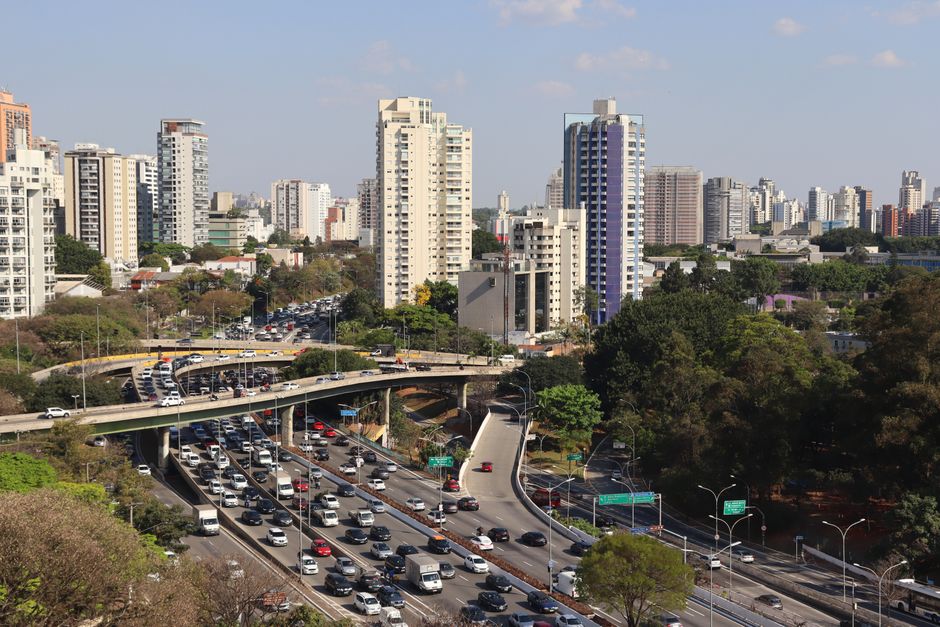
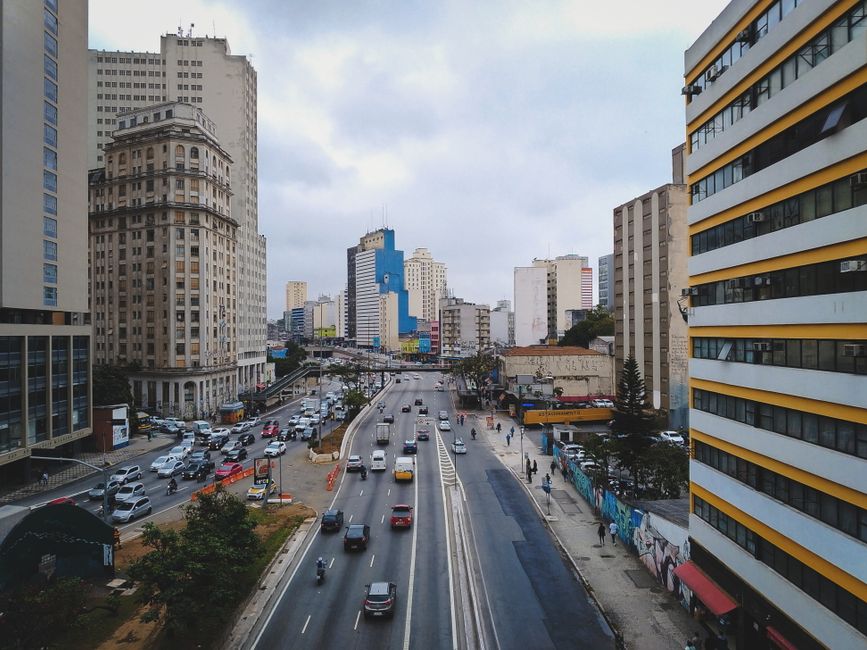
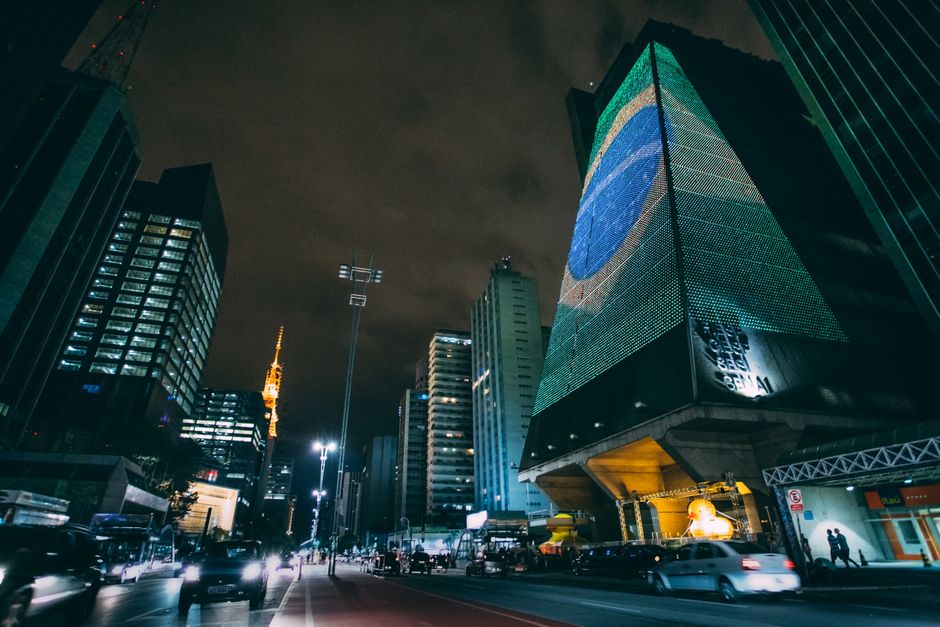
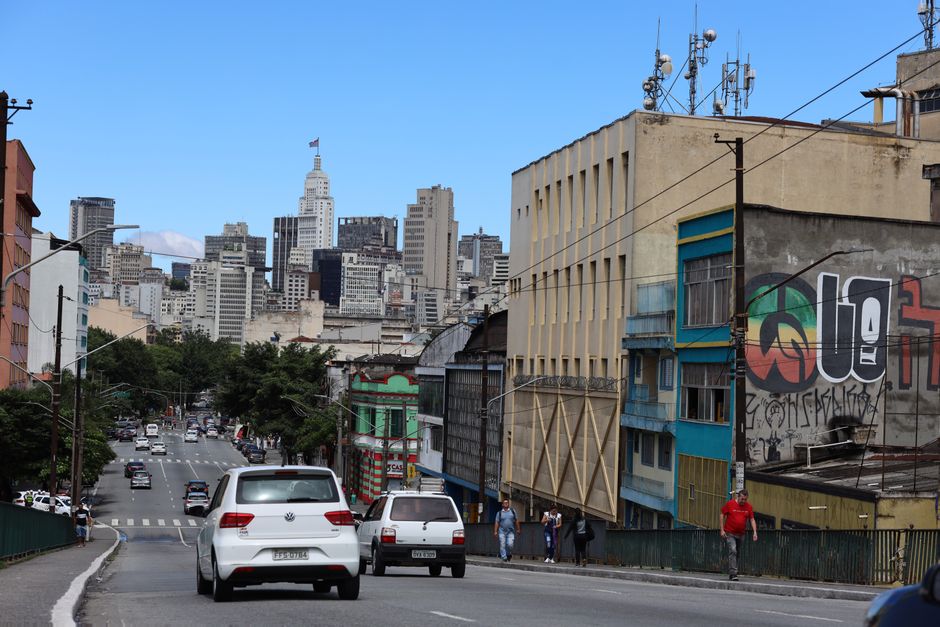
For Maria de Oliveira, the 47-minute daily commute from her apartment in Brasilândia to her job near Avenida Paulista represents not just lost time, but lost wages and family moments. She is one of roughly 2 million residents in São Paulo's North Zone who could see their lives fundamentally altered by the continued expansion of Metro Line 6—the Pink Line—a project that has become far more than a transportation question for the city's most densely populated region.
The latest phase of the expansion, which aims to connect Brasilândia directly to the central business district via Guarulhos International Airport by 2029, represents an investment of approximately R$8.7 billion. For residents like de Oliveira, the mathematics are simple: each kilometre of new track potentially means shaving 30 to 40 minutes from daily commutes that already strain household budgets and quality of life.
"People in Brasilândia, Cachoeirinha, and Pirituba spend what they earn on transport," explains a representative from the Vila Madalena-based transport advocacy group Mobilidade São Paulo. Current bus-dependent routes force residents to transfer multiple times, often costing R$7 to R$10 daily—nearly R$210 monthly for a single commuter. The Pink Line extension would reduce that to a single metro fare.
But the impact extends far beyond commute times. Commercial corridors along planned stations near Rua Voluntários da Pátria and through Tatuapé are already seeing preliminary investment activity. Small retailers have begun renovating storefronts in anticipation of increased foot traffic. Real estate values in accessible neighbourhoods have climbed 12-15% in the past two years alone, though this creates a secondary concern: gentrification pressures on long-term residents.
The São Paulo municipal government's own impact studies suggest the expansion could generate approximately 15,000 direct and indirect jobs during construction, with an estimated 8,000 permanent positions in retail, hospitality, and services once fully operational. For a city where unemployment remains stubbornly above 7%, such figures carry genuine weight.
Still, scepticism persists. Previous metro projects have suffered delays—Line 15 (Silver Line) took over a decade to reach partial completion. Construction disruptions have already affected businesses along the proposed corridor, with some reporting temporary revenue drops of 20-30%.
What remains undeniable is the stakes involved. For São Paulo's working-class North Zone, the Pink Line extension represents something increasingly rare in the city: infrastructure investment specifically designed to serve those who need it most. Whether that promise materialises depends entirely on execution—a challenge that will define the city's next chapter.
This article was compiled by AI from the sources linked above and screened before publishing. See our editorial standards.