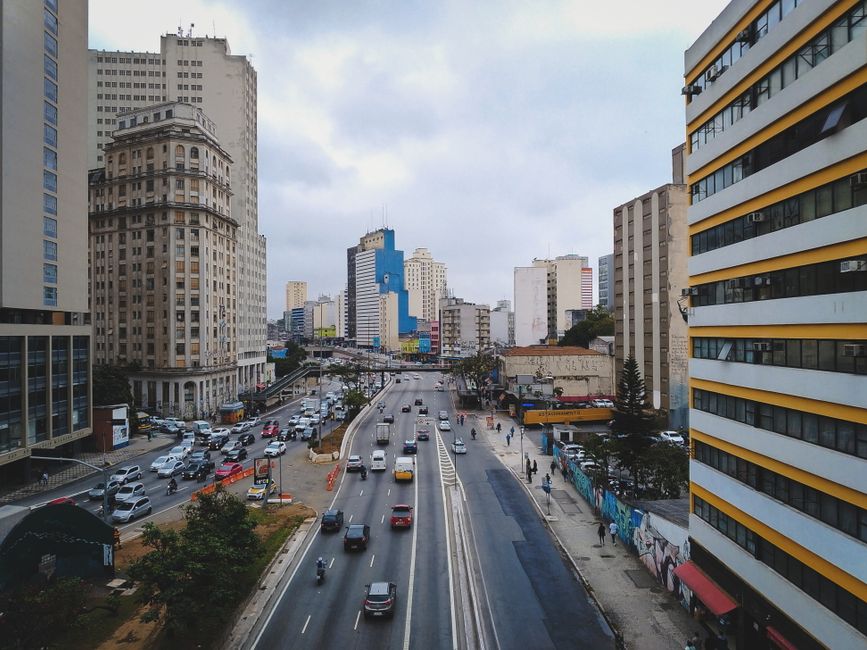
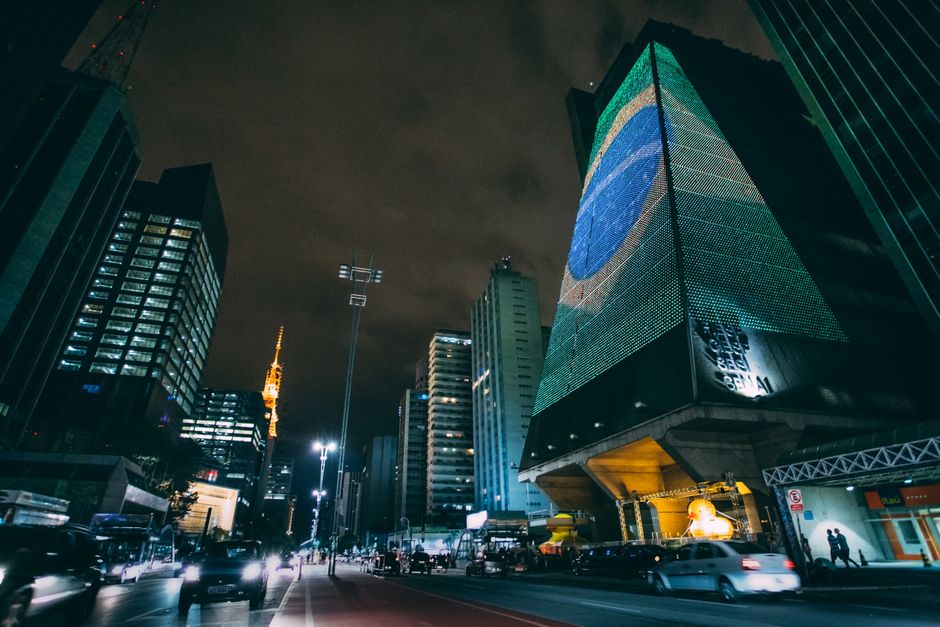
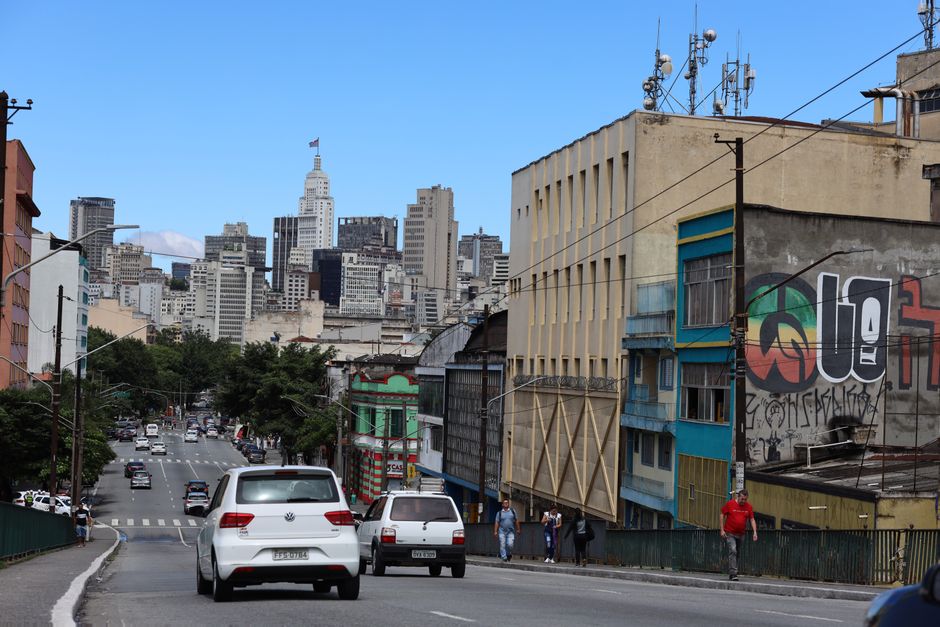
São Paulo's public transport system, which moves roughly 7 million commuters daily across the city's 1,500 square kilometers, faces mounting pressure as aging infrastructure collides with population growth. The comparison with other global megacities reveals both cautionary tales and potential pathways forward for city administrators grappling with modernization demands.
The Linha 15 monorail, which launched in 2014 along the eastern corridor linking the Tamanduatei region to Oratório station, represents São Paulo's most visible investment in recent years. Yet maintenance costs have ballooned to nearly 15 million reais monthly, straining the city's transport budget. By contrast, Singapore's integrated Land Transport Authority manages 230 kilometers of metro with significantly lower per-kilometer operational costs, achieved through privatization models and aggressive digital ticketing that São Paulo has only recently begun exploring.
The Prefeitura's recent announcement of a 2.8 billion reais investment across the Pinheiros and Vila Mariana corridors—targeting congestion that adds an average 43 minutes to commutes—mirrors London's approach during the 2010s, when Transport for London implemented major line expansions. However, São Paulo lacks London's funding stability, relying heavily on federal transfers that fluctuate year to year.
One concrete divergence emerges in governance structure. While Mayor Eduardo Paes in Rio de Janeiro pioneered innovative public-private partnerships, São Paulo's Companhia do Metropolitano has maintained stronger public control. This has insulated the system from profit-driven cuts but also delayed technological modernization. The city's recent adoption of mobile ticketing across bus terminals in Bom Retiro and Tiradentes—a 24-month pilot affecting 180,000 daily users—finally aligns with systems implemented in São Francisco and Berlin nearly a decade earlier.
Water and sanitation governance tells a parallel story. While other megacities confronted supply crises with aggressive infrastructure spending, São Paulo's Sabesp faced the 2023-24 drought with incremental improvements. Comparable cities like Jakarta and Mexico City responded with comprehensive watershed restoration projects; São Paulo's efforts remain reactive rather than preventive, though recent municipal initiatives around the Pinheiros River suggest shifting priorities.
As São Paulo enters its third decade as a megacity managing over 12 million residents, municipal leaders increasingly benchmark against global peers. The transport challenge crystallizes a broader tension: the city possesses economic dynamism rivaling London or Hong Kong, yet governance structures and funding mechanisms lag significantly behind. How aggressively—and how quickly—the Prefeitura can close this gap will determine whether São Paulo emerges as a model for developing-world megacities or remains cautionary.
This article was compiled by AI from the sources linked above and screened before publishing. See our editorial standards.