From Pinheiros River Crisis to Green City: How São Paulo's Sustainability Push Took Root
Decades of environmental degradation and public outcry have transformed the megacity's approach to urban ecology and climate resilience.
Decades of environmental degradation and public outcry have transformed the megacity's approach to urban ecology and climate resilience.
Walk along the Pinheiros River today and you'll see signs of change—floating wetland gardens installed near the Jockey Club, community cleanup initiatives, and talk of ecological restoration. But this shift didn't emerge overnight. It's the product of forty years of environmental deterioration, scientific documentation, and grassroots pressure that finally moved São Paulo's authorities to act.
The river itself tells the story most vividly. By the 1990s, the Pinheiros had become one of the world's most polluted waterways, its surface often covered in a thick layer of foam from industrial discharge and untreated sewage. Residents in neighborhoods like Vila Madalena and Perdizes, living alongside this ecological disaster, began organizing environmental groups. Meanwhile, researchers at the University of São Paulo documented alarming levels of heavy metals and organic contaminants that made the water dangerous even to touch.
That scientific evidence proved crucial. Studies showing São Paulo's air quality ranking among the worst in Latin America—with industrial zones in the ABC region contributing significantly to regional smog—galvanized public health advocates. Hospital admissions for respiratory illnesses spiked during winter months when atmospheric inversion trapped pollution over the city's 11.4 million residents.
The turning point came gradually. When the State Sanitation Company (Sabesp) published data in the early 2020s revealing that water scarcity could worsen dramatically without intervention, middle-class neighborhoods that had long ignored environmental issues suddenly paid attention. The 2014-2015 drought, which forced strict rationing and exposed the fragility of São Paulo's water infrastructure, served as a harsh wake-up call that persisted in public memory.
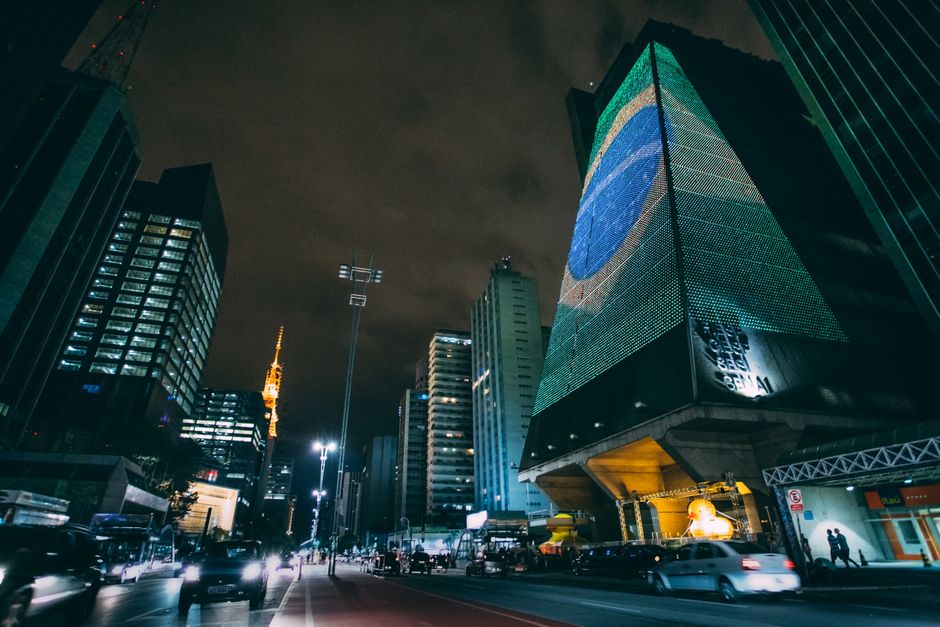
Local governments and NGOs—organizations like Instituto Socioambiental and the Associação Comercial de São Paulo—began collaborating on concrete initiatives. Green roofs started appearing on Avenida Paulista office buildings. Favela residents in zones like Heliópolis participated in tree-planting programs. The municipal budget allocation toward environmental projects increased incrementally, even as fiscal constraints limited ambitions.
Today's sustainability initiatives—from the expansion of the metro system to reduce car dependency, to reforestation projects in the Cantareira mountains that supply the city's water—didn't appear as sudden policy shifts. They're the accumulated result of environmental failures that became too visible to ignore, scientific warnings that reached critical mass, and citizens who refused to accept that São Paulo's future had to be as polluted as its past.
The journey continues, with much work remaining. But understanding how we arrived here—through crisis and persistence—matters as the city charts its next steps.
This article was compiled by AI from the sources linked above and screened before publishing. See our editorial standards.
How does this story make you feel?
Spread the word
About this article
Published by The Daily São Paulo
Daily brief
Free, in your inbox before 7am. Weekdays.
More in News