São Paulo's Migration Surge Demands Urgent Policy Shift, Officials Warn
City administrators, NGO leaders, and academic experts say population pressures and inadequate housing must be addressed as newcomers reshape the capital's demographics.
City administrators, NGO leaders, and academic experts say population pressures and inadequate housing must be addressed as newcomers reshape the capital's demographics.
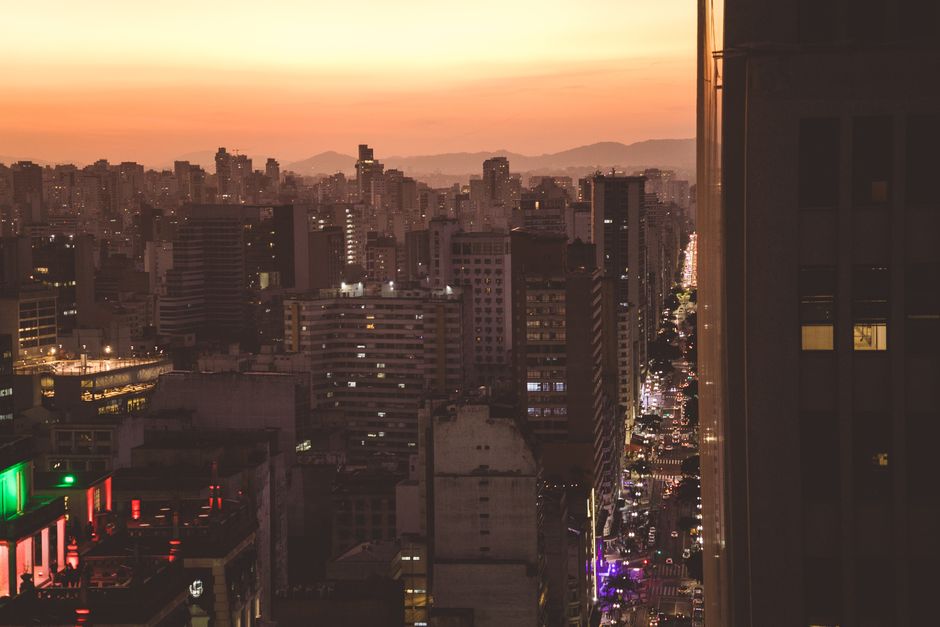
Officials and migration experts are sounding alarm bells over São Paulo's accelerating demographic transformation, warning that current infrastructure and housing policies are inadequate to manage the influx of both international migrants and internal arrivals seeking opportunities in Brazil's largest metropolitan area.
Speaking at a forum organised by the Municipal Human Rights Secretariat last week, city administrators acknowledged that housing costs in central neighbourhoods like Consolação and Vila Mariana—where average rental prices exceed R$3,500 monthly for modest apartments—are forcing newcomers into peripheral zones. The phenomenon is reshaping traditional communities across the 32 subprefectures, according to census data analysts at UNICAMP and USP.
"We're seeing unprecedented pressure on our social services," said a spokesperson for São Paulo's Department of Social Assistance, noting that applications for municipal housing assistance have increased 34% year-on-year. "The challenge isn't whether migration is happening—it's how we manage it equitably."
Researchers at the Centre for Metropolitan Studies emphasise that migrants from Venezuela, Haiti, and Angola are now concentrated in neighbourhoods like Brás, Pari, and the Cracolândia region near the central train station, where advocacy organisations provide language classes and employment support. These zones, historically working-class, now host an estimated 180,000 foreign-born residents, according to civil society estimates.
The Migration and Mobility Forum, convened monthly at the Biblioteca Mário de Andrade cultural centre, has become a crucial space where NGO leaders, city planners, and community representatives debate policy. Organisations including Cáritas Diocesana and the Institute for Policy Research on Migration stress that language barriers and credential recognition remain critical obstacles to formal employment.
"Professionals arriving from abroad often cannot access their trained professions," explained one NGO director active in the Bom Retiro neighbourhood, where textile industries historically employed migrants. "We need accelerated validation processes for doctors, engineers, and teachers."
City officials have proposed expanding the Municipal Immigration Support Centre's capacity, though budget constraints remain contested. The centre currently operates from a single location in the Luz district, limiting accessibility across the sprawling metropolitan area of nearly 22 million residents.
Economists warn that without proactive investment in housing and skills training, migration could exacerbate existing inequality rather than creating shared prosperity. The consensus among experts is clear: São Paulo's next decade depends on strategic, inclusive policymaking—not reactive measures implemented after social pressure mounts.
This article was compiled by AI from the sources linked above and screened before publishing. See our editorial standards.
How does this story make you feel?
Spread the word
About this article
Published by The Daily São Paulo
Daily brief
Free, in your inbox before 7am. Weekdays.
More in News