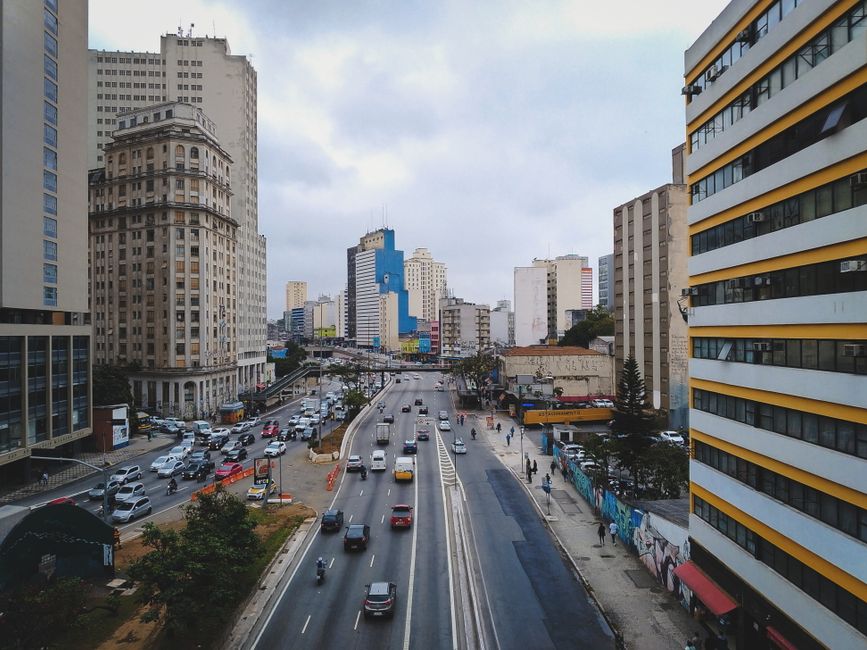
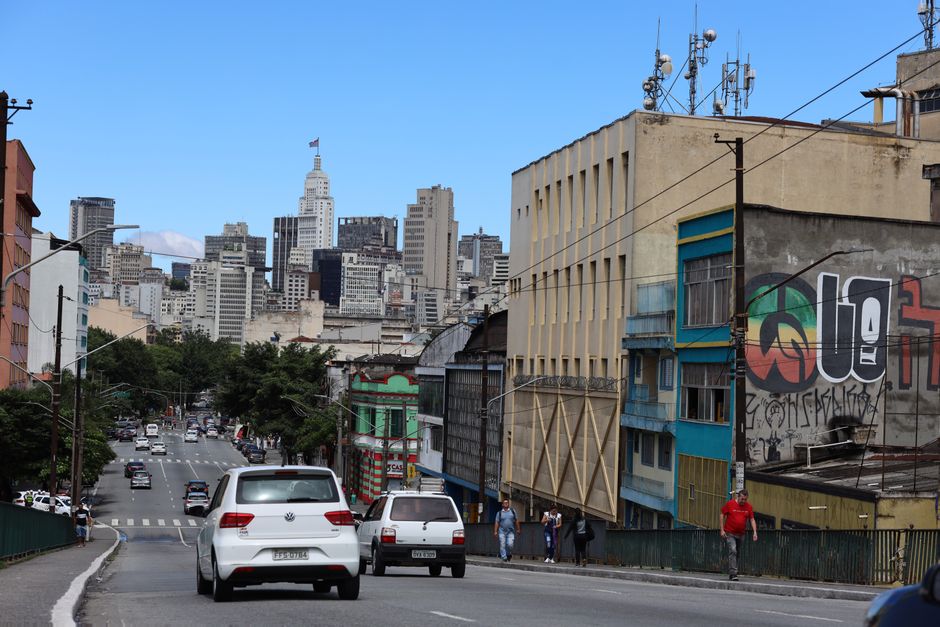
The community centre on Rua Abílio Soares in Vila Mariana has become ground zero for one of São Paulo's most contentious urban planning debates. For three consecutive Thursdays, residents have packed the modest hall to voice concerns about a proposed rezoning decision that would allow developers to construct residential towers up to 20 storeys—double the current limit—across swathes of the neighbourhood's residential fabric.
The anger isn't directed at development itself, but at whom it serves. According to market data tracked by the Sindicato da Habitação, average apartment prices in Vila Mariana have climbed to R$12,500 per square metre, pricing out the very families who built these communities decades ago. For residents earning São Paulo's median household income of R$4,200 monthly, even a modest two-bedroom unit now demands a down payment beyond reach.
"My family lived here for forty years," said one long-time resident during last week's public hearing, speaking on condition of anonymity. "Now they tell us the neighbourhood is 'improving.' But improving for whom? Not for us."
The tension reflects a larger São Paulo paradox. While the city desperately needs housing—the shortage affects roughly 400,000 families according to recent municipal surveys—the mechanism for creating new supply consistently benefits affluent newcomers rather than existing communities. Developers target neighbourhoods like Vila Mariana, Pinheiros, and Vila Madalena precisely because rising land values make residential conversion lucrative. Yet the apartments that emerge remain unaffordable to those displaced by rising rents.
The municipal housing authority has proposed offsetting density increases with mandatory inclusionary housing requirements—compelling developers to reserve 15 per cent of units for low-income buyers. But residents remain sceptical. Implementation elsewhere in São Paulo has proven inconsistent, and enforcement loose. Similar mandates in Zona Leste projects have frequently been sidestepped through developer negotiation.
"The city approves projects that theoretically include affordable units, then those units vanish through legal loopholes," noted one housing advocate who attended the hearing. "We've seen this film before."
Tellingly, residents haven't opposed construction outright. Many acknowledge São Paulo's housing emergency. What they demand is accountability—that rezoning decisions include genuine affordability mechanisms, community benefits agreements, and preservation of neighbourhood character. Without those guarantees, they warn, Vila Mariana will become another São Paulo success story measured only in tower height and property values, not in who remains to live there.
The municipal planning authority is expected to vote on the rezoning proposal in August.
This article was compiled by AI from the sources linked above and screened before publishing. See our editorial standards.