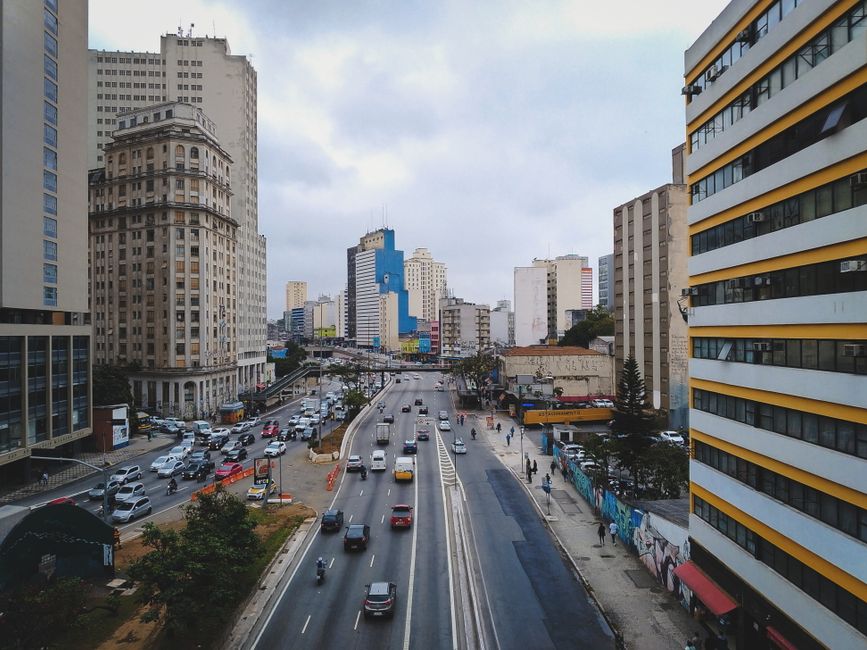
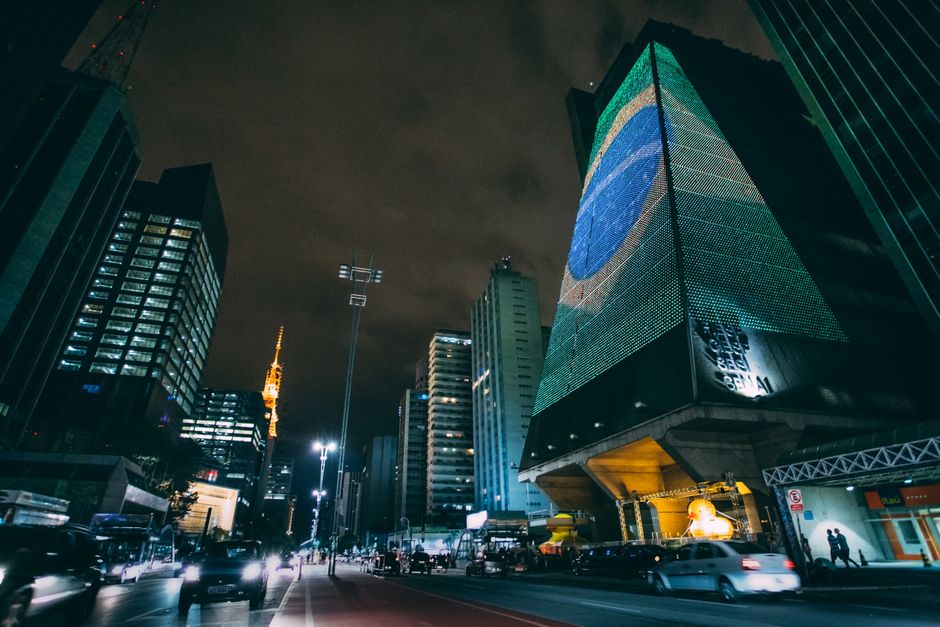
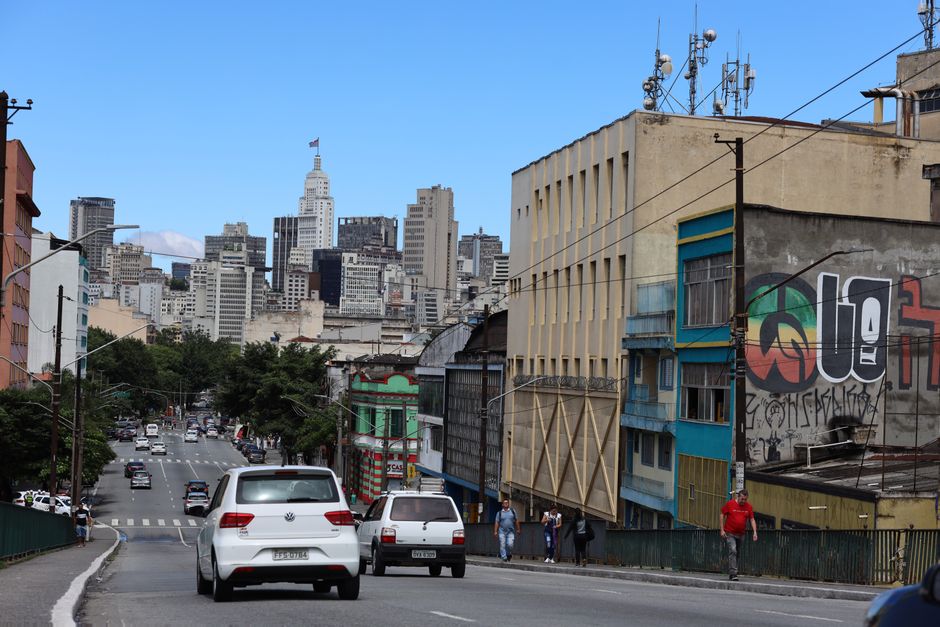
When a robbery erupted on Rua Augusta last Tuesday evening, the nearest Polícia Militar unit took 22 minutes to arrive—nearly double the city's stated 10-minute target. By then, the suspects had vanished into the surrounding neighbourhoods of Consolação and Vila Mariana, leaving residents shaken and questioning the security infrastructure meant to protect them.
This is the reality facing São Paulo's 11.4 million residents as the city's emergency response system shows visible signs of strain. The Corpo de Bombeiros, responsible for fire emergencies and rescue operations across the metropolitan area, reported in May that response times have increased by an average of 31 percent over the past two years. For residents in outlying areas like Itapecerica da Serra and Taboão da Serra, the wait can exceed 45 minutes.
The impact reverberates through daily life. Small business owners in Pinheiros and Vila Madalena report rising insurance premiums due to slower police response classifications. Parents navigating the school run through neighborhoods like Zona Leste increasingly use private transportation services rather than public transit, driving up household expenses for families already managing the R$250-plus weekly cost of basic groceries.
Dr. Marina Fernandes, a public health researcher at USP, notes that delayed emergency responses create cascading community problems beyond immediate safety concerns. "When residents lose confidence in emergency services, they stop reporting crimes, creating dark figures that distort our understanding of actual public safety challenges," she explained in a recent academic paper. This reporting gap means authorities cannot accurately resource the areas that need intervention most.
The Secretaria da Segurança Pública acknowledged the pressures in its latest budget review, citing recruitment freezes and aging equipment across 52 police districts citywide. The impact hits vulnerable populations hardest—communities in Capão Redondo and Grajaú, already facing higher crime rates, see the longest average wait times for police response.
Yet there are emerging solutions. Community partnerships between local associations and the Polícia Comunitária program have shown modest improvements in districts like Santo Amaro, where neighbourhood watch coordination reduced response times by 18 percent in 12 months. Residents who feel invested in safety outcomes, research suggests, become force multipliers for official services.
For São Paulo to function effectively as a major global city, its emergency infrastructure must match its ambitions. Right now, it's falling short—and every delayed response represents not just a statistic, but a family's safety and a community's confidence in the systems that should protect them.
This article was compiled by AI from the sources linked above and screened before publishing. See our editorial standards.