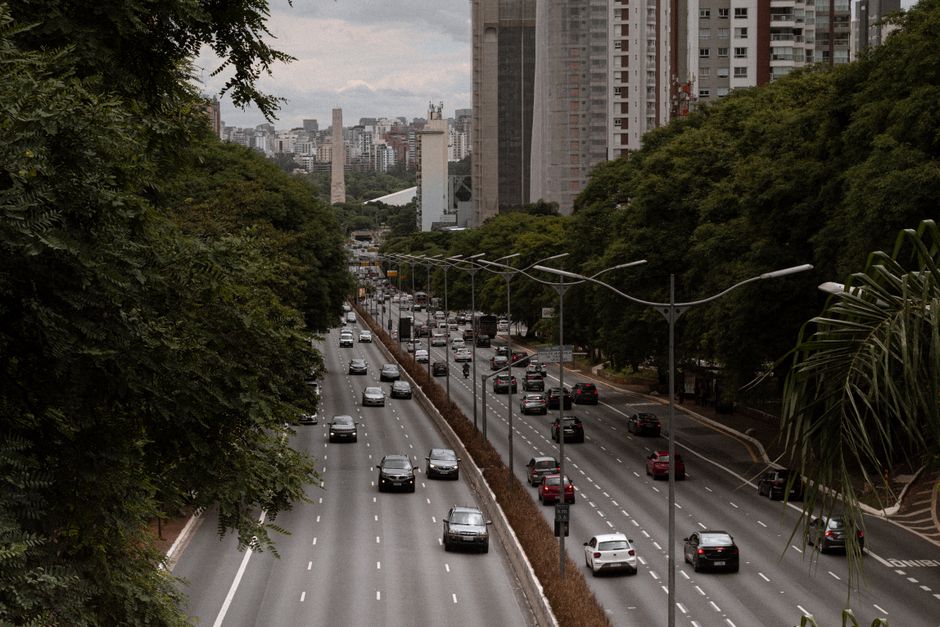
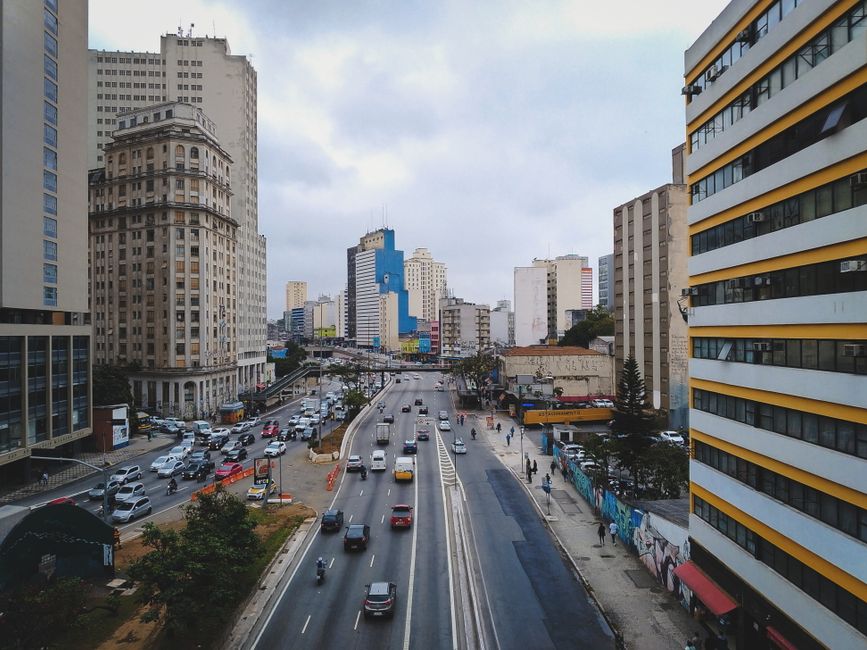
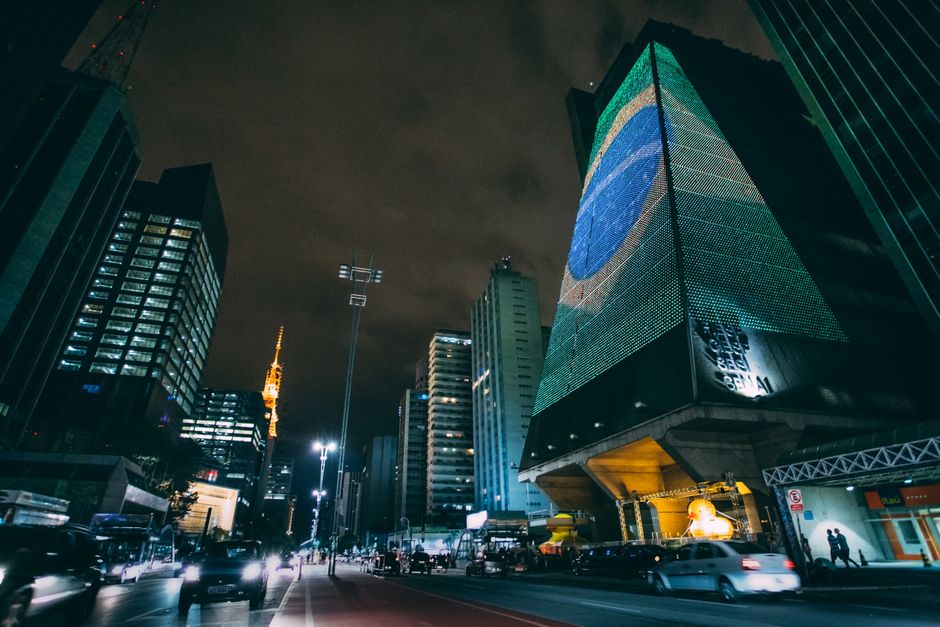
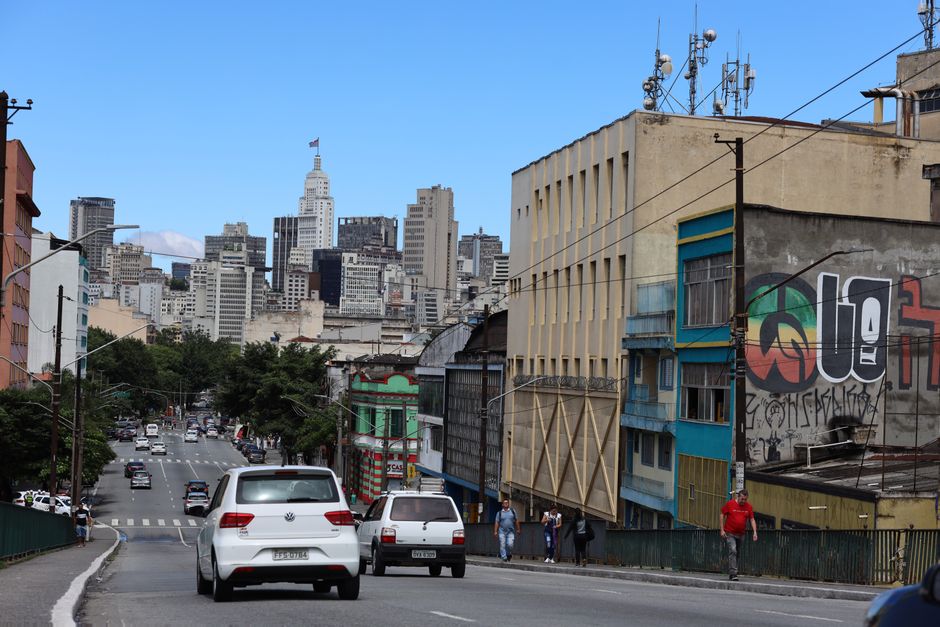
São Paulo's municipal government took its boldest step yet to address the city's chronic housing shortage on Thursday, when the City Council approved sweeping zoning modifications that will allow significantly higher residential density across 12 neighborhoods in the eastern zone. The 43-to-18 vote represents a watershed moment for Latin America's largest metropolitan area, where real estate prices have climbed beyond the reach of middle-income families and informal settlements continue to expand.
The new regulations, formally adopted in an 18-hour session that stretched into Friday morning, eliminate maximum height restrictions in previously limited sectors of Itaquera, São Miguel Paulista, and Guaianases—historically working-class neighborhoods now targeted for what planners call "vertical densification." Under the revised rules, residential towers up to 25 stories will no longer require special permits, a dramatic departure from the existing 12-story caps that have constrained development for over two decades.
The measure arrives at a critical juncture. According to data released by the São Paulo Foundation for Metropolitan Research on Monday, the median apartment price in the city's central corridor has reached R$12,500 per square meter—up 34 percent since 2022. Simultaneously, the city's housing deficit stands at approximately 540,000 units, the highest figure since comprehensive surveys began in 2015.
Proponents of the zoning change, including Mayor's office planners and real estate development associations, argue the reforms will unlock inventory and stabilize costs by increasing supply across neighborhoods with solid infrastructure connections to the Linha Vermelha metro corridor. "We cannot continue restricting development to already-saturated central areas," stated urban planning advocates during Tuesday's public hearings at the Câmara Municipal on the Viaduto do Chá.
However, environmental groups and resident associations have raised serious concerns about strain on water systems, sanitation capacity, and the character of longstanding communities. The Green Belt Coalition noted that the Itaquera and São Miguel Paulista regions sit atop important aquifer recharge zones, demanding guarantees of infrastructure upgrades before construction accelerates.
The decision now moves to the executive branch for final implementation, expected within 30 days. Developers have already begun acquiring land options in affected zones, signaling confidence that projects will advance swiftly. City planners have committed to presenting a comprehensive infrastructure investment schedule by mid-July, addressing critics' core objection: that zoning changes without parallel public works expansion merely create new problems in peripheral neighborhoods.
For São Paulo's 11.4 million residents, the next months will prove whether bold urban redesign can deliver affordable housing or simply remake the city's geographic inequality in vertical form.
This article was compiled by AI from the sources linked above and screened before publishing. See our editorial standards.