São Paulo's Infrastructure Overhaul: The Numbers Behind the City's R$12 Billion Bet
Municipal data reveals ambitious spending targets and sobering completion rates as the city tackles decades of deferred maintenance.
Municipal data reveals ambitious spending targets and sobering completion rates as the city tackles decades of deferred maintenance.
São Paulo's municipal government released its mid-year infrastructure report today, offering a stark numerical portrait of the city's most ambitious urban renewal initiative in a decade. The figures tell a story of aggressive ambition tempered by persistent execution challenges across the metropolis of 11.4 million residents.
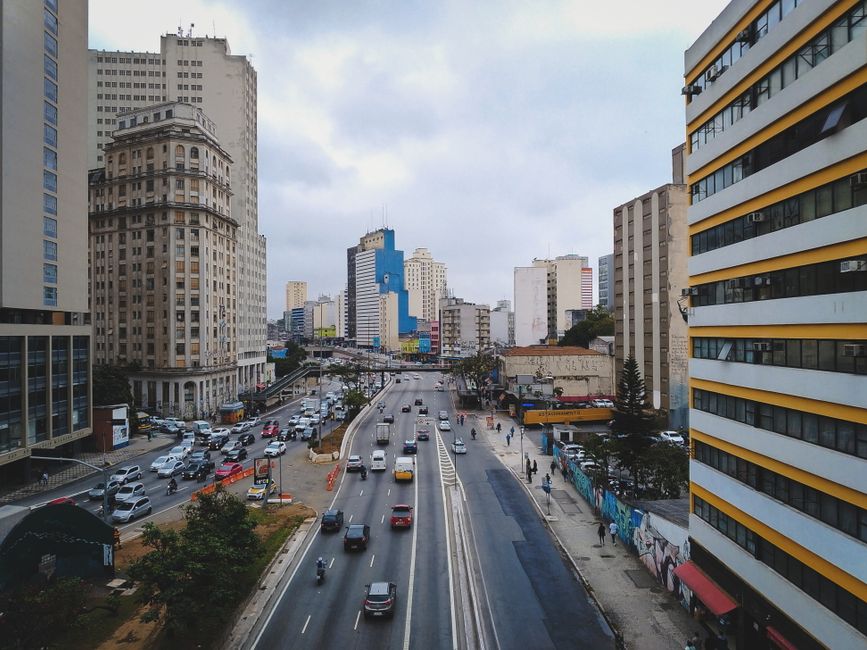
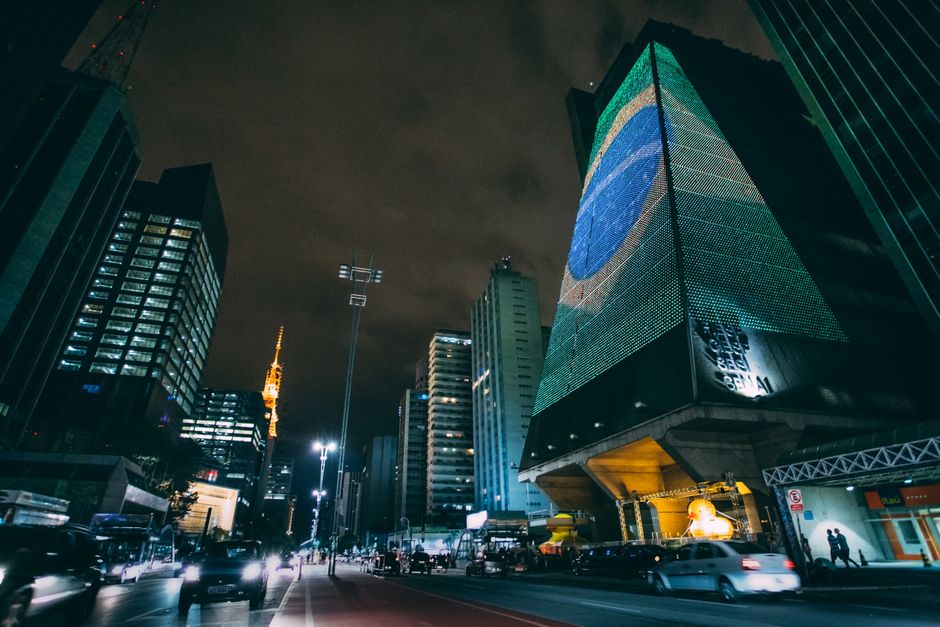
The centerpiece is a R$12.3 billion investment programme spanning transportation, water management, and public space rehabilitation. Of this, R$4.7 billion has been allocated to rehabilitating the city's ageing bus rapid transit (BRT) corridors, with the Avenida Paulista and Marginal Pinheiros routes accounting for R$1.8 billion combined. However, completion data proves sobering: only 34 per cent of planned improvements have reached completion, with the Avenida 23 de Maio corridor delayed by 18 months.
Water infrastructure emerges as another critical battleground. The report indicates that 22 per cent of water distribution pipes across the Zona Leste—home to approximately 3.2 million residents—require replacement, with average pipe age reaching 47 years. The municipality has committed R$2.1 billion to this sector, yet only 8 per cent has been disbursed as of this quarter.
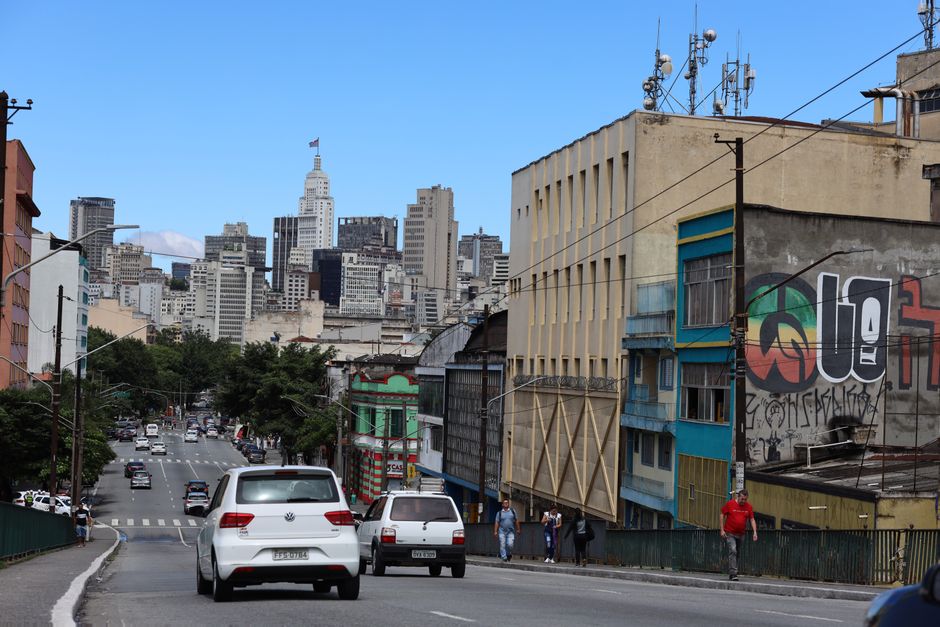
Perhaps most revealing are the neighbourhood-level disparities. Pinheiros and Vila Mariana report 78 per cent street resurfacing completion rates, whilst districts including Brasilândia and Parelheiros languish at 12 and 9 per cent respectively. This geographical divide has become politically charged, with the municipal administration defending resource allocation based on damage assessments whilst critics point to persistent inequality in service delivery.
Public housing remains another contentious metric. The city registers 46,000 families in precarious housing situations across favelas and informal settlements, a figure that has declined only 3 per cent annually despite R$890 million in allocated spending. The Parque da Esperança and Nova Esperança complexes in the Zona Sul have absorbed R$340 million yet remain home to waiting lists exceeding 8,000 families.
Parks and green space data underscores another priority shift. Investment in expanded green corridors totals R$850 million, with the Imigrantes Park rehabilitation project alone consuming R$180 million. Tree-planting initiatives target 500,000 new specimens across the city, with current planting at 187,000—tracking at 37 per cent of goal.
The municipal administration frames these statistics as evidence of systematic progress, noting that quarterly spending acceleration typically accelerates in H2. Critics, however, contend that the numbers reveal structural inefficiencies, limited contractor capacity, and persistent bureaucratic delays that have historically plagued São Paulo's execution record.
This article was compiled by AI from the sources linked above and screened before publishing. See our editorial standards.
How does this story make you feel?
Spread the word
About this article
Published by The Daily São Paulo
Daily brief
Free, in your inbox before 7am. Weekdays.
More in News