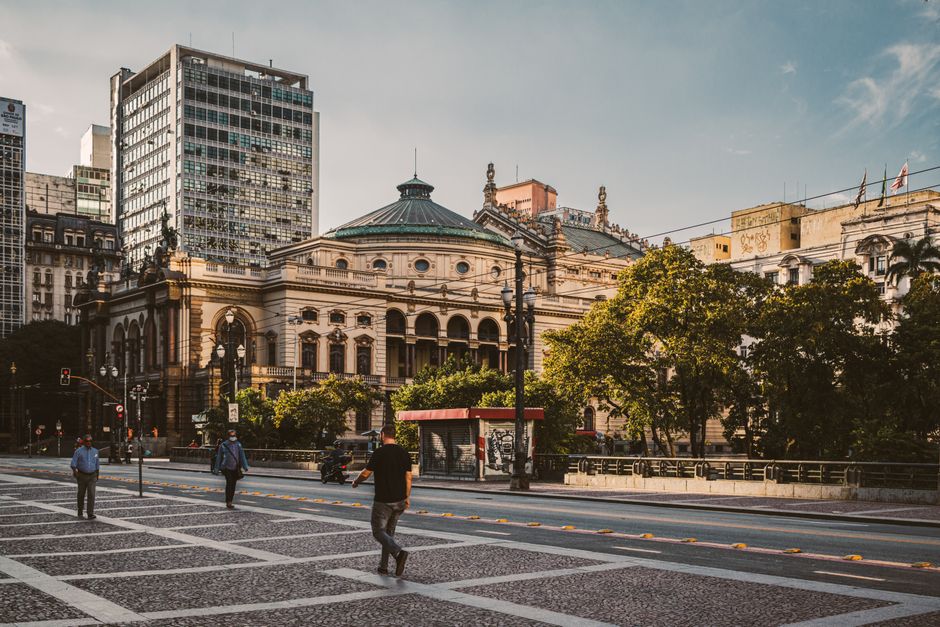
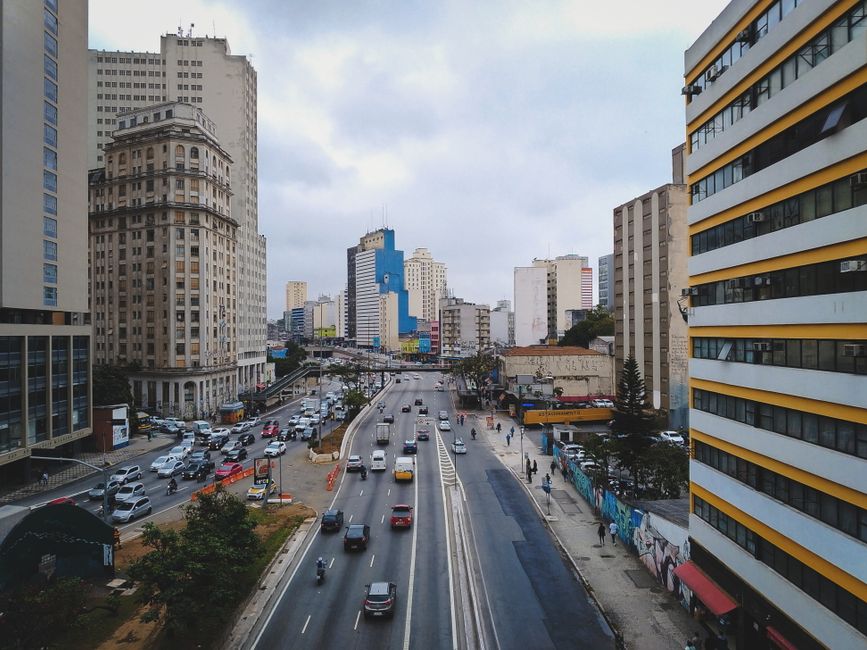
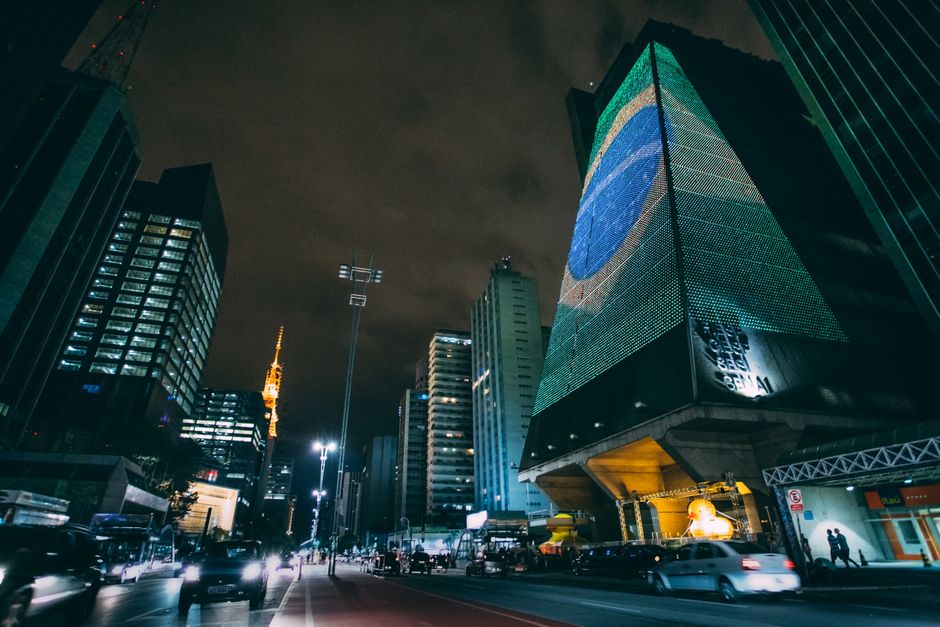
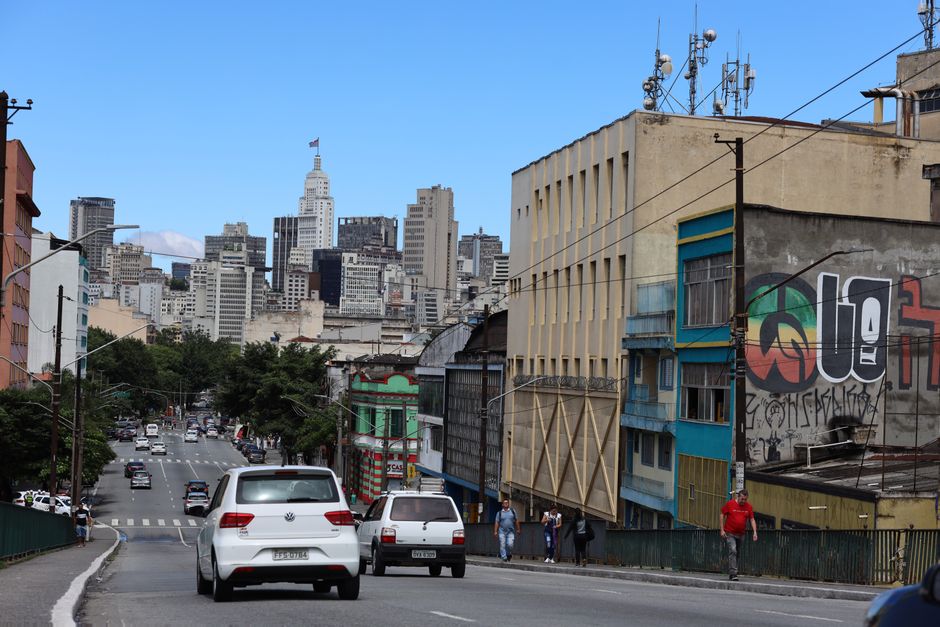
The construction site spanning several blocks along Avenida Paulista has become a symbol of São Paulo's transport transformation. With excavators tearing through decades-old pavement and metro workers tunnelling beneath the iconic avenue, city officials and infrastructure specialists are increasingly vocal about what this infrastructure overhaul means for a metropolis of 12 million people.
"We're not simply building metro lines—we're fundamentally restructuring São Paulo's mobility ecosystem," said representatives from the São Paulo Metro Company during a recent stakeholder presentation at the Legislative Assembly. The expansion of Lines 6 and 15, expected to reach neighbourhoods like Brasilândia and São Mateus, promises to reduce commute times by up to 40 minutes for residents in peripheral zones, according to city data released this month.
Yet transportation economists and urban planners have raised concerns about financing. The total cost for current projects exceeds R$35 billion (approximately US$7 billion), with federal subsidies covering only 60 percent. "The gap is troubling," explained analysts at the Brazilian Institute of Applied Economic Research during a June forum. "São Paulo cannot absorb these costs alone without compromising other essential services."
The Bus Rapid Transit (BRT) Corridor expansion into the South Zone—connecting Zona Sul districts through dedicated lanes on Avenida Imigrantes and extending toward Santo Amaro—represents another flashpoint. City Hall maintains the project will reduce traffic congestion by 15 percent; however, small business associations along affected routes have argued that construction disruptions will devastate commerce during the critical 18-month build phase.
Infrastructure experts from the University of São Paulo's Engineering School have published position papers supporting the broader strategy. "These projects address structural inequality," they noted, emphasizing that peripheral neighbourhoods currently spend 2-3 hours daily in transit, compared to 45 minutes in central areas. "The metro extensions are equity investments, not merely convenience upgrades."
State government officials, meanwhile, are promoting the light rail connection between the Guarulhos airport and the city centre as a game-changer for business competitiveness. This project, partially operational since 2024, generated R$2.3 billion in economic activity in its first year, according to transport ministry assessments.
As São Paulo enters the final months of 2026, the conversation among decision-makers reflects both optimism and strain. Officials emphasize modernization and inclusion; experts flag financial sustainability questions. What remains clear is that the city's future—how residents move, where jobs concentrate, which neighbourhoods thrive—is being actively redefined beneath Avenida Paulista and across the metropolitan periphery.
This article was compiled by AI from the sources linked above and screened before publishing. See our editorial standards.