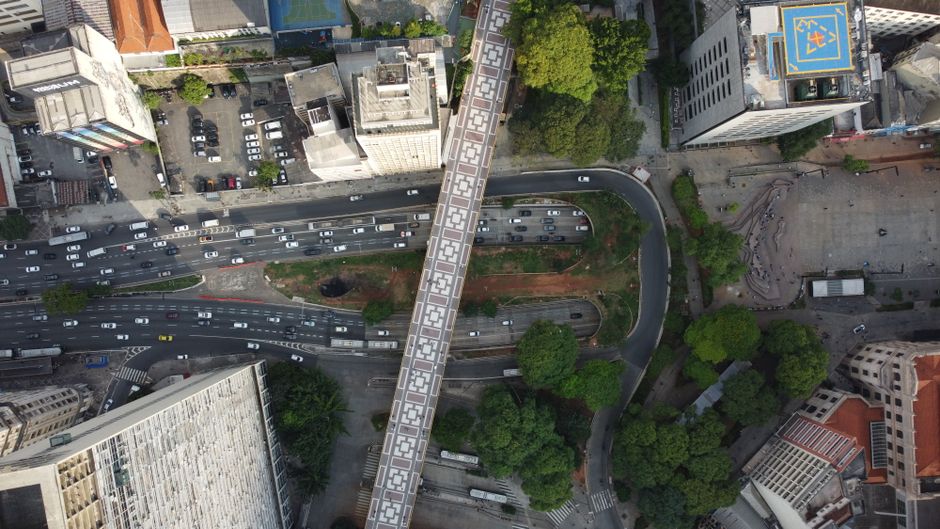
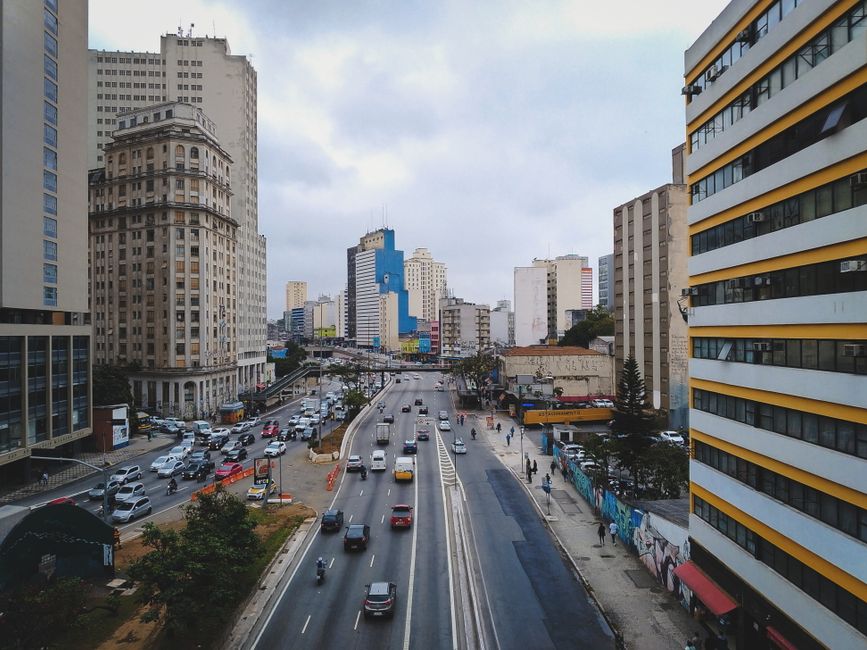
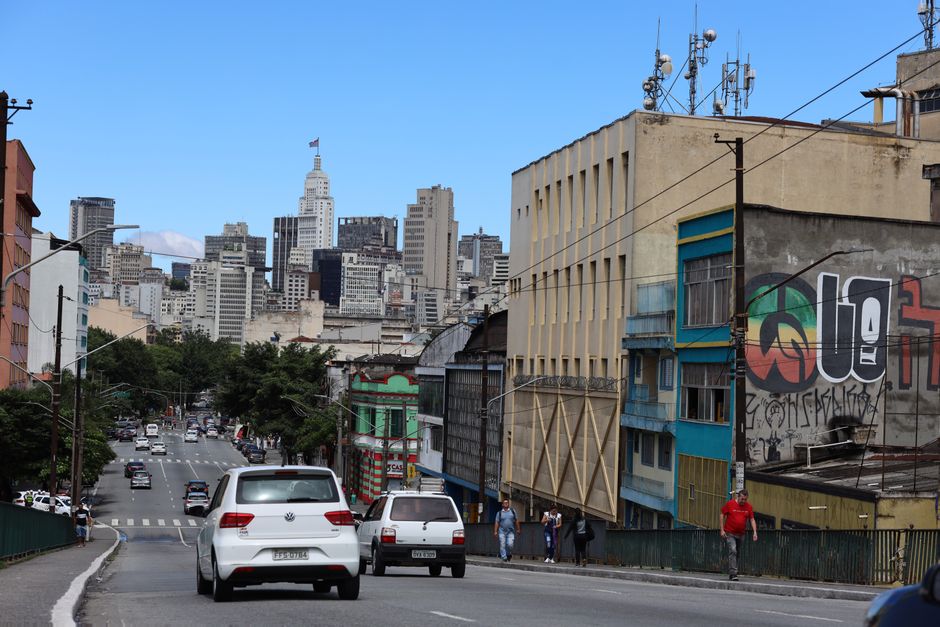
São Paulo's informal housing crisis has reached a critical juncture, according to municipal officials and urban experts who gathered this week at the Municipal Secretary of Housing's headquarters on Avenida Prestes Maia to discuss accelerating settlement patterns in the city's southern periphery.
The expansion into ecologically sensitive areas—particularly the Grajaú and Parelheiros neighbourhoods bordering the Atlantic Forest fragments—represents an unprecedented challenge, experts say. Data presented at the meeting indicated that unauthorised constructions in these zones increased by 34 per cent over the past 18 months, with an estimated 12,000 new structures identified in satellite imagery since January 2025.
"We're facing a convergence of factors: migration from the Northeast, internal displacement, and speculative land practices," said representatives from the Institute for Applied Economic Research (IPEA) during consultations with the city administration. The average rent in formal São Paulo neighbourhoods has climbed to R$2,100 monthly for a two-bedroom apartment, making informal settlements increasingly attractive to low-income families.
Officials from the São Paulo State Environmental Secretariat expressed particular concern about encroachment along the Represa Billings watershed, which supplies drinking water to more than 3.5 million residents. They warned that uncontrolled settlement development threatens filtration capacity and could trigger water rationing by 2027.
Community organisers working in Vila Mariana's social centres and neighbourhood associations have presented counter-proposals emphasising dialogue over enforcement. "We need housing solutions that don't criminalise poverty," stated representatives from the Coordinating Body of Favela Organisations (COIAB) during recent municipal forums on Rua da Consolação.
The city's housing deficit currently stands at approximately 385,000 units, according to the latest census data. Municipal officials acknowledged that current programmes—including the Minha Casa, Minha Vida initiatives—fall significantly short of demand, producing roughly 8,000 new units annually against estimated needs of 35,000 homes yearly.
Transport Secretary analysts noted that unplanned settlement growth strains already-congested metro corridors and bus systems serving distant neighbourhoods. Morning commutes from Grajaú to central business districts average 2.5 hours using public transport.
The discussion reflects São Paulo's broader struggle to reconcile rapid population growth with environmental protection and social equity—challenges that will likely dominate municipal elections next year.
This article was compiled by AI from the sources linked above and screened before publishing. See our editorial standards.